Egypt Travel Logistics and Planning Guide: Navigating Visas, Currency, and Culture
Success in navigating Egypt’s tourism landscape depends on understanding the intersection of bureaucratic requirements, fluctuating economic variables, and deeply ingrained social customs. Unlike many Western destinations where digital infrastructure simplifies the visitor experience, Egypt remains a hybrid economy. Travelers must reconcile the convenience of modern ride-sharing apps with a pervasive cash-based tipping culture. To maximize the efficiency of a visit, one must prioritize logistical preparedness over spontaneous exploration. The following analysis provides a framework for managing entry requirements, financial transitions, and cultural expectations based on current 2024 data and regulatory standards.
Entry Requirements and Financial Logistics: Navigating Visas and Currency
Entry into the Arab Republic of Egypt for most foreign nationals requires a tourist visa. While the process is relatively straightforward, the method of acquisition impacts the initial experience upon arrival at Cairo International Airport (CAI). The standard single-entry tourist visa is valid for 30 days and currently costs $25 USD. For those seeking efficiency, the official e-visa portal is the recommended route. Applications should be submitted at least seven days prior to departure to account for processing delays. However, the ‘Visa on Arrival’ remains a robust fallback for many nationalities, including citizens of the UK, EU, and USA. This requires the exact fee in crisp USD banknotes; credit card facilities at the bank kiosks are notoriously inconsistent.
Currency Management and the Parallel Market
The Egyptian Pound (EGP) has experienced significant volatility over the last 24 months. As of 2024, the gap between the official bank rate and the parallel market rate has narrowed significantly following currency devaluations, yet travelers should still monitor official rates daily. It is essential to carry a mix of high-denomination USD or EUR for major transactions and a significant volume of small-denomination EGP for daily interactions. Most high-end hotels and Nile cruise operators quote prices in USD, and in many cases, they are legally required to charge foreign tourists in hard currency. Conversely, local markets (souks), smaller cafes, and tipping require local currency.
The Mechanics of Baksheesh
Tipping, or baksheesh, is an integral component of the Egyptian service economy, functioning less as an optional reward and more as a social contract. It is not merely for restaurant servers; it applies to temple guards, bathroom attendants, and drivers. A standard tip for small services ranges from 10 to 20 EGP. For drivers or guides, a daily rate of 200-500 EGP is customary depending on the duration and quality of service. Failure to provide baksheesh can result in friction, as these payments often supplement very low base wages. Carrying a dedicated ‘tipping pouch’ with small notes prevents the logistical hurdle of asking for change, which is rarely available in these scenarios.
Strategic Itinerary Planning: Balancing the Nile, Cairo, and Red Sea
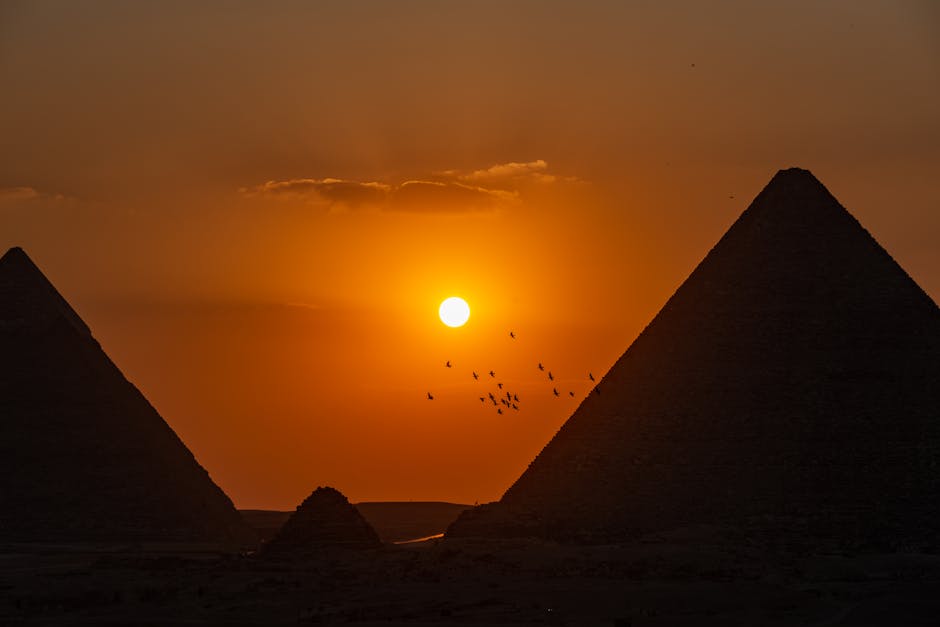
A frequent error in planning an Egyptian itinerary is the underestimation of transit times and the physical toll of heat exposure. Egypt’s primary attractions are clustered along the Nile Valley, but the distances between Cairo, Luxor, and Aswan are substantial. A ten-day itinerary is the minimum required to cover these three hubs without significant fatigue. Strategic planning involves grouping sites by proximity and opening hours. For instance, the Giza Plateau is best visited at 8:00 AM to avoid both the peak heat and the arrival of large tour buses from the Red Sea resorts.
Seasonal Temperature Variations and Crowds
The climate in Egypt is a binary of extreme heat and mild winters. The peak season runs from October to April, when temperatures in Upper Egypt (Luxor and Aswan) are manageable, ranging from 20°C to 30°C. During the summer months (June to August), temperatures in Luxor frequently exceed 45°C, making outdoor sightseeing nearly impossible after 10:30 AM. For those prioritizing budget and crowd avoidance, the shoulder months of May and September offer a compromise, though the heat remains a factor.
| Season | Months | Pros | Cons |
|---|---|---|---|
| Peak | Oct – March | Ideal weather, all sites accessible | High prices, dense crowds |
| Shoulder | April, May, Sept | Moderate pricing, fewer crowds | Increasing heat, potential sandstorms |
| Off-Peak | June – August | Lowest prices, empty sites | Extreme heat (40°C+), reduced hours |
Site Pass Comparison: Cairo and Luxor Passes
For visitors planning an intensive archaeological tour, the Ministry of Tourism and Antiquities offers the ‘Cairo Pass’ and the ‘Luxor Pass.’ The Cairo Pass costs $100 USD (or equivalent in EUR) and covers all major sites in Cairo, Giza, and Saqqara for five days. The Luxor Pass has two tiers: the Standard ($100 USD) and the Premium ($200 USD), the latter including the tombs of Seti I and Nefertari. If you purchase both passes, you are often eligible for a 50% discount on the second pass, provided you have a physical copy of the first. This is a data-driven decision: if your individual ticket costs exceed $100, the pass provides both savings and the convenience of skipping ticket lines.
Cultural Etiquette and On-the-Ground Navigation: Managing Scams
Navigating the social landscape in Egypt requires a blend of firmness and politeness. The concept of ‘Egyptian Time’—a relaxed approach to punctuality—contrasts sharply with the aggressive sales tactics encountered at major tourist sites. Understanding the distinction between genuine hospitality and ‘hustle’ is crucial for maintaining a positive experience. In areas like the Giza Plateau or the Valley of the Kings, visitors will be approached by individuals offering ‘free’ gifts, unsolicited directions, or photo opportunities. It is a standard operational fact that no service or item provided in these zones is free.
Dress Codes and Religious Sensitivities
While Egypt is accustomed to tourists, it remains a conservative society. Modesty is the baseline expectation, particularly when visiting mosques or rural areas. For women, covering shoulders and knees is recommended to avoid unwanted attention and show respect. Men should avoid sleeveless shirts in religious contexts. In the coastal resorts of Hurghada and Sharm El-Sheikh, Western swimwear is the norm, but this does not translate to the streets of Cairo or Luxor. Carrying a lightweight scarf is a practical solution for women needing to cover their heads for mosque entries.
“The phrase ‘La Shukran’ (No thank you) is the most effective tool in a traveler’s vocabulary. Use it firmly and maintain walking momentum to signal that you are not a prospect for sales.”
Negotiating with Vendors and Touts
In the souks, such as Khan el-Khalili, the initial price quoted is rarely the final price. A reasonable target is often 40% to 60% of the starting bid. However, it is important to only begin negotiating if there is a genuine intent to purchase. Once a price is agreed upon, backing out is considered poor etiquette. For services like camel or horse carriage rides, the price must be negotiated and finalized—including the tip—before the service begins. Ensure the agreement specifies whether the price is per person or for the entire group to avoid common ‘misunderstandings’ at the end of the ride.
Health and Safety Protocols: Food, Water, and Personal Security
Health risks in Egypt are primarily gastrointestinal. Statistical data suggests that a significant percentage of visitors experience ‘Pharaoh’s Revenge’ (traveler’s diarrhea). This is rarely due to poor hygiene in high-end establishments but rather the introduction of unfamiliar bacteria and the extreme heat. Drinking tap water is strictly prohibited for foreigners; it is used only for showering. Even when brushing teeth, bottled water is the safer choice. Most reputable hotels provide complimentary bottled water daily.
Preventative Health Measures
When dining, the ‘peel it, cook it, or forget it’ rule applies to produce. Salads in smaller establishments are a common source of illness due to being washed in tap water. It is advisable to carry a course of Ciprofloxacin or the local equivalent, Antinal, which is specifically formulated for the strains of bacteria found in the Nile Valley. Antinal is available over-the-counter at most Egyptian pharmacies for approximately 30-50 EGP and is often more effective than Western brands for local ailments.
Personal Security and Solo Travel
Egypt is generally safe regarding violent crime, which is statistically lower than in many major Western cities. The primary concern is petty theft and harassment. Solo female travelers often face persistent verbal attention. To mitigate this, many choose to use the female-only carriages on the Cairo Metro or hire private female guides. From a security standpoint, the presence of ‘Tourist Police’ at every major site and checkpoint provides a visible deterrent. While the security presence can feel heavy-handed, it is a standardized part of the infrastructure designed to protect the tourism sector.
Transport and Connectivity: Comparing Domestic Travel Options
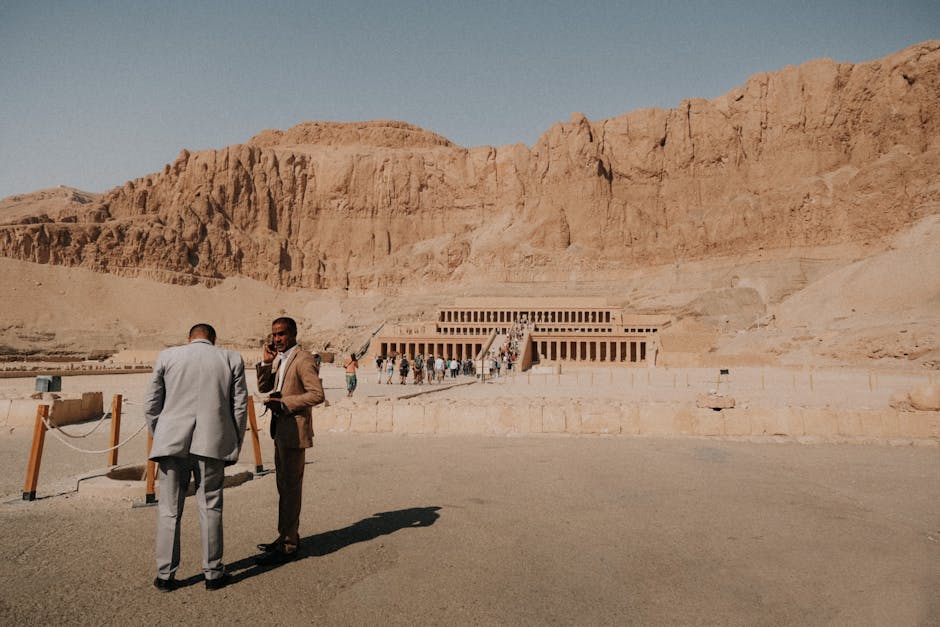
The logistics of moving between Egypt’s major hubs involve a choice between speed, cost, and comfort. The three primary methods are domestic flights, the sleeper train, and private car transfers. Each has distinct advantages depending on the traveler’s budget and time constraints. For the 800km journey between Cairo and Aswan, flying is the most time-efficient method, with EgyptAir and Nile Air operating multiple daily flights. Prices typically range from $60 to $150 USD for a one-way ticket if booked in advance.
The Sleeper Train vs. High-Speed Rail
The Ernst Watania sleeper train is a popular choice for those wanting to combine transport and accommodation. The cost is approximately $120 USD for a single cabin or $80 USD per person in a double. While it saves a night’s hotel cost, the equipment is aging, and the tracks are bumpy, often resulting in poor sleep quality. A newer high-speed rail network is currently under construction, but for 2024, the sleeper train remains the primary rail option for foreigners. Note that foreigners are often restricted from purchasing tickets for local day trains due to security regulations, though this is inconsistently enforced.
Digital Connectivity and Ride-Sharing
Relying on international roaming in Egypt is prohibitively expensive. Upon arrival at the airport, purchasing a local SIM card from providers like Orange, Vodafone, or Etisalat is the most cost-effective solution. A package with 20GB of data typically costs around 300-500 EGP ($10-$15 USD). For urban transport in Cairo and Alexandria, Uber and Careem (a regional subsidiary of Uber) are indispensable. They provide a fixed price, GPS tracking, and eliminate the need for price negotiations with taxi drivers. In Luxor and Aswan, these apps are less reliable, and traditional taxis or horse carriages are the primary options.
- Uber/Careem: Best for Cairo; prevents overcharging; requires data connection.
- Domestic Flights: Recommended for Cairo to Aswan/Luxor to maximize sightseeing time.
- Private Drivers: Ideal for day trips to Saqqara or Dahshur; typical cost $40-$60 USD per day.
- Felucca: Traditional sailing boats in Luxor/Aswan; best for sunset; purely for leisure, not transport.
In summary, a successful trip to Egypt is predicated on meticulous logistical management. By securing an e-visa in advance, managing currency with a focus on small notes, and utilizing ride-sharing apps in major cities, travelers can bypass the most common friction points. Egypt rewards those who approach it with patience and a structured plan, allowing the historical magnitude of the sites to take center stage rather than the challenges of the journey.