
8 Travel Destinations Near Chandigarh Ranked by Drive Time
Chandigarh has one of the most geographically convenient addresses in India for weekend travel. Within 250km, you can reach Himalayan hill stations, a UNESCO railway line, India’s paragliding capital, Sikh holy cities, and a 17th-century Mughal garden. The problem most people hit is calibration — they underestimate how long mountain roads take, or they ignore seasonal conditions that can silently double journey times.
This guide ranks eight destinations by drive time, flags the right season for each, and gives a clear verdict on who each one actually suits. All distances and drive times are from Chandigarh city centre under normal traffic conditions.
All 8 Destinations at a Glance
Use this table as your first filter before committing to anything. The Avoid When column matters as much as the distance — getting the timing wrong on Shimla or Bir Billing can turn a good trip into a wasted weekend.
| Destination | Distance | Drive Time | Best For | Best Season | Avoid When |
|---|---|---|---|---|---|
| Pinjore | 22km | 35–45 min | Half-day families | October–March | After 11am on weekends |
| Morni Hills | 45km | 1–1.5 hours | Budget hill day trip | July–September | December–January (dense fog) |
| Kasauli | 65km | 1.5–2 hours | Quiet couples’ retreat | March–June, Oct–Nov | Monsoon weekends |
| Chail | 65km | 2–2.5 hours | Seclusion and wildlife | April–June | July–August (landslide risk) |
| Anandpur Sahib | 85km | 1.5–2 hours | Culture and history | Year-round | Hola Mohalla without pre-booking |
| Shimla | 120km | 3–3.5 hours | Classic hill station | March–May, Oct–Nov | June–August long weekends |
| Bir Billing | 225km | 5–5.5 hours | Paragliding and adventure | October–November | Monsoon (flights suspended) |
| Dharamshala | 250km | 5–6 hours | Trekking and Buddhist culture | March–June, Sept–Nov | Monsoon (trail closures) |
The practical cut-off for a genuine day trip is around 100km. Shimla at 120km is possible as a long day trip only if you leave Chandigarh by 7am. Anything at 225km and above requires a minimum of two overnight stops to justify the drive.
The Mountain Tier — Morni Hills, Kasauli, and Shimla Compared

These three cover the full range of hill station near Chandigarh, from a 45-minute escape to a 3.5-hour commitment. Picking between them is mostly about how much time you have and how much traffic you’re willing to endure.
Morni Hills — the one most people bypass
Morni Hills sits 45km from Chandigarh and tops out at 1,220 metres — low by Himalayan standards, but enough for a noticeable temperature drop in summer. As Haryana’s only hill station, it lacks the tourist infrastructure of Kasauli or Shimla. That’s both a limitation and an advantage.
The twin Tikkar Taal lakes — Big Lake and Small Lake — are the main draw. Pedal boating runs at ₹50–100 per person. The forest walks around the lakes are short but genuinely quiet on weekday mornings. The Morni Fort ruins above the village offer views across the Shivalik range if you don’t mind an uneven climb. No formal entry fee; no ticket counters.
Accommodation is thin. Haryana Tourism’s Hotel Mountview Morni charges roughly ₹2,500–3,500 per double room per night — book directly through Haryana Tourism’s official portal to avoid markup from third-party aggregators. Homestays in Morni village run under ₹1,500/night. There are no five-star options here. If that’s a requirement, Kasauli is the right call.
Best time to visit: July through September, when the hills are green post-monsoon and both lakes are full. Avoid December and January when valley fog slows the drive and kills the views.
Kasauli — the most underrated 2-night option from Chandigarh
Built as a British cantonment in the 1840s, Kasauli’s layout still reflects that history: a compact vehicle-free core, colonial-era bungalows set among oak and rhododendron, and a pace that resists commercialisation better than almost any hill station in Himachal Pradesh. The Gilbert Trail — 4km return through dense oak forest — is one of the best gentle walks in the Shivaliks and reliably uncrowded on weekday mornings.
Monkey Point at 1,600 metres has a Hanuman temple at the summit and clear-day views across the Sutlej valley. Christ Church on the Lower Mall (built 1853) has original stained glass and is worth the short detour.
Hotels: Kasauli Resort runs ₹6,000–10,000 per night; Baikunth Resort on the Kasauli-Dharampur road offers similar altitude and better valley views at ₹3,500–5,000. Budget guesthouses on the Mall start around ₹1,500–2,000. Book at least two weeks ahead for any weekend in April, May, or October. Kasauli has very limited total accommodation stock and sells out faster than most travellers expect.
Verdict: the best Chandigarh-area hill station for couples wanting a quiet two nights. Not the right choice if you want shopping, busy restaurants, or a long list of sightseeing options.
Shimla — go, but not in peak season
Shimla is the obvious answer and often the wrong one between June and August. At 120km on NH-5, the drive is scenic but slow. On peak summer weekends, jams near Parwanoo and Solan add 90 minutes each way. Mall Road in July is shoulder-to-shoulder; the Ridge becomes crowd management, not sightseeing.
The Kalka-Shimla Toy Train — running since 1906 on a narrow-gauge line through 102 tunnels across 96km — is the best way to arrive if you have schedule flexibility. Book the Shivalik Deluxe Express (Train 52457) on IRCTC at least 30–60 days ahead in peak months. In Shimla, Jakhu Temple at 2,455 metres is a 2km ropeway ride or a 45-minute hike from the Mall. The Oberoi Cecil (₹20,000+/night) and WildFlower Hall at Chharabra (₹30,000+/night) represent the luxury ceiling; Hotel White and Honeymoon Inn Shimla sit solidly in the ₹3,000–5,000 mid-range but fill quickly in season.
Go in March–April for rhododendrons, or October–November for clear skies. December is also underrated — possible snowfall, significantly lower rates than June, and a very different atmosphere on the Mall.
Spiritual and Historical Routes Worth the Drive
Three of the strongest day trips from Chandigarh have nothing to do with altitude. Most hill-station-focused guides skip these entirely.
- Anandpur Sahib (85km, ~2 hours): One of the five Takhts in Sikhism and a city of serious historical depth. The Virasat-e-Khalsa museum — designed by Israeli architect Moshe Safdie, opened 2011 — covers 500 years of Sikh history across 14 themed galleries and nearly 100,000 sq ft of exhibition space. Entry is free. The Takht Sri Keshgarh Sahib Gurdwara within the same complex is open to visitors of all faiths; cover your head at the entrance. The Hola Mohalla festival (held the day after Holi each year) brings vast crowds and Nihang Sikh martial displays — remarkable to witness but requires accommodation booked months in advance.
- Patiala (65km, ~1.5 hours): Former capital of a Sikh princely state and one of Punjab’s most undervisited cities. Qila Mubarak (the Old Fort complex) holds the Darbar Hall and Sheesh Mahal museum (₹20 adult entry) with paintings, arms, and royal artefacts. The old-city bazaars near Sadar Bazaar are best on foot — Patiala salwars, traditional jewellery, and local sweets including pinni and gajrela are specific enough to the city that they’re worth seeking out. Go on a weekday to avoid Sunday foot traffic in the narrow lanes.
- Pinjore (22km, ~35 minutes): The Yadavindra Gardens — 17th-century Mughal-style stepped terraces with seven descending levels, fountains, and pavilions — are the closest significant historical site to Chandigarh. Entry is ₹20 per adult. The Heritage Steam Train Museum inside the garden complex is small but worth 30 minutes, particularly with children. Arrive before 10am on weekends; the difference in atmosphere between 9am and 11am is significant.
The Adventure Pair — Chail and Bir Billing
If you have a clear adventure goal, these two outperform everything else on this list. Without one, they’re harder to justify.
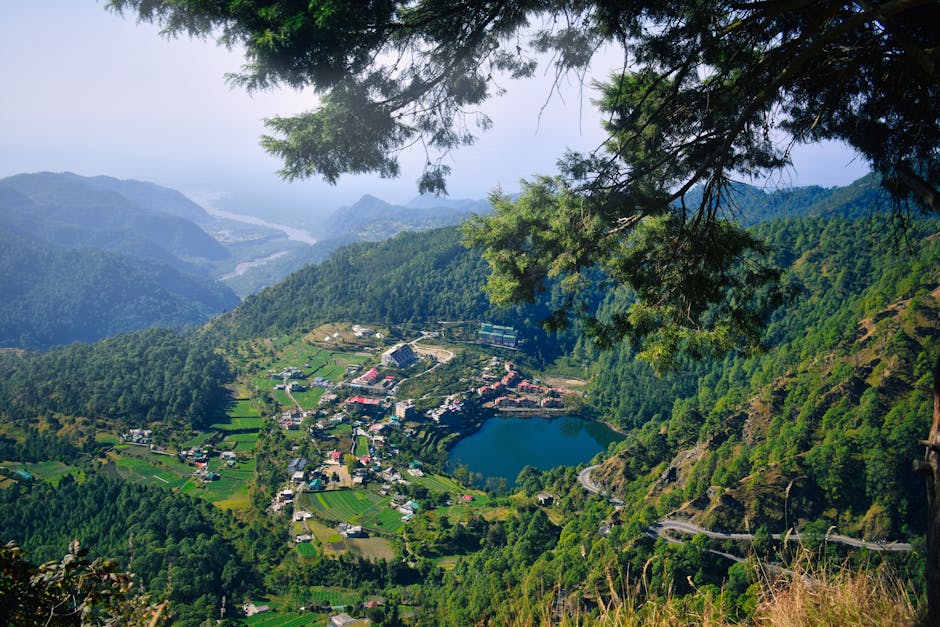
Chail (65km from Chandigarh via Kandaghat) has the world’s highest cricket ground — 2,250 metres above sea level, built in 1893 by Maharaja Bhupinder Singh of Patiala after he was reportedly banished from Shimla by the British Viceroy and decided to build a better hill station of his own. The Chail Wildlife Sanctuary around it covers 110 sq km with leopard, sambhar deer, and barking deer. The Palace Hotel Chail — a converted royal palace run by HPTDC (Himachal Pradesh Tourism Development Corporation) — charges ₹8,000–15,000 per night and is one of the genuinely unusual places to sleep in the region. Book directly via HPTDC’s website for the best rate. Chail is more effort than Kasauli for similar altitude; the payoff is real seclusion and a place that hasn’t been finished by mass tourism.
Bir Billing (225km, ~5 hours) is India’s paragliding capital, and the Billing launch site at 2,400 metres is the host venue for the Paragliding World Cup in select years. Tandem flights to the Bir landing zone take 20–30 minutes; operators including Nirvana Adventures and Bir Billing Paragliding charge ₹2,500–3,500 per person. October and November are the prime months: stable thermals, clear visibility, and occasional competition-level flying to watch. Bir town has a Tibetan refugee settlement with three monasteries — Chokling Monastery and Palpung Sherabling are the most visited — and a slow-travel café culture that attracts long-stay budget travellers. Guesthouses start at ₹500–800 per night; mid-range options run ₹2,000–3,500. This is a two-night minimum trip. Driving 450km round-trip for a single afternoon in Bir makes no practical sense.
When These Trips Go Wrong
Are the mountain roads safe in monsoon?
Not reliably. Landslides on NH-5 — the Chandigarh–Shimla highway — between July and September are frequent enough to treat as a genuine risk, not an edge case. The Shivalik Hills receive heavy rainfall, and a single blocked stretch can extend a 3-hour drive to 6+ hours with no warning and no workable alternative. Morni Hills, at lower altitude with more stable terrain, is the safest mountain option during monsoon. The Kasauli approach via Dharampur typically holds better than the Shimla highway in sustained rain.
Is Shimla worth visiting in December?
Yes, with adjusted expectations. Snow is possible in December but not guaranteed — January and February are more reliable for snowfall. Temperatures drop to 0–5°C at night. Hotel rates fall significantly from their summer peaks, the Mall Road is far less crowded, and the Kalka-Shimla Toy Train runs year-round. It’s a different kind of trip from the summer visit, but often a better one for those who don’t mind the cold.
Can Manali work as a weekend trip from Chandigarh?
310km each way. Seven to eight hours of driving in each direction. That’s 15–16 hours of total driving for a standard Friday-to-Sunday window before you’ve spent any time in Manali. It doesn’t work as a weekend option. Manali belongs on a dedicated 5–7 day Himachal itinerary, ideally extending to Spiti Valley or continuing toward Leh. For mountain drama in three nights from Chandigarh, Shimla combined with Chail covers more ground at roughly half the total driving.
Summary by traveller type:
| Traveller Profile | Best Pick | Key Reason |
|---|---|---|
| Families with young children | Pinjore + Morni Hills combined | Short drives, low cost, lakes and gardens |
| Couples, 2-night trip | Kasauli | Quiet, walkable, good mid-range accommodation |
| First-time regional visitor | Shimla (avoid May–June) | Most developed infrastructure, widest range of activities |
| Culture-focused traveller | Anandpur Sahib | Virasat-e-Khalsa is world-class and free; uncrowded outside festivals |
| Adventure traveller (2+ nights) | Bir Billing in October–November | Best paragliding in India; monastery visits as add-on |
| Seclusion seeker | Chail | Less commercialised than Kasauli; Palace Hotel is genuinely unique |