

Easy Train Travel Europe: The 3-Step System That Actually Works
Most advice about train travel in Europe starts with a rail pass. That’s wrong.
For a family of four, a Eurail Global Pass can cost £1,200 before you’ve reserved a single seat. And on popular routes like Paris to Barcelona, the reservation fee alone hits £35 per person. You end up paying more than a point-to-point ticket and still have to queue at a counter.
Easy train travel in Europe isn’t about the pass. It’s about a repeatable system. Three steps. No guesswork.
Step 1: Know Which Routes Need Advance Booking and Which Don’t
This is the single biggest source of stress. People panic-book everything, or they book nothing and end up standing for four hours.
The rule is simple: high-speed and overnight trains require reservations. Regional trains do not.
High-speed trains: book 2–4 weeks ahead
Trains like the French TGV, Italian Frecciarossa, Spanish AVE, and German ICE (on long-distance routes) use dynamic pricing. The first tickets released — typically 3–4 months out — are the cheapest. A Paris to Lyon TGV can cost £29 if you book early, or £89 if you buy the day before.
For families, booking early also means you can choose seats together. The automated seat assignment on some carriers splits groups if you don’t select seats manually.
Regional trains: buy on the day
Regional trains (RE, RB, R, IR, TER, Regionale) have fixed prices. A Munich to Salzburg regional train costs the same whether you book three months ahead or three minutes before departure. No reservation needed. Just tap your contactless card at the station or buy from the machine.
These trains are slower but far more forgiving. Miss one? Catch the next in 30–60 minutes.
Overnight trains: book as early as possible
NightJet (Austrian Railways), Snälltåget (Sweden), and the Paris to Vienna Nightjet sell out weeks in advance, especially for couchettes and sleeper compartments. Families with young children should book at least 6–8 weeks ahead for a private compartment.
A four-berth sleeper from Vienna to Venice costs roughly £180 total — cheaper than a hotel room for the night, plus you save a day of travel time.
Step 2: Use the Right Booking Platform for Each Situation

No single platform covers every European railway well. Trying to use one for everything is like using a Swiss Army knife to chop down a tree. It works, but poorly.
Here’s the platform breakdown based on what you’re booking.
| Route Type | Best Platform | Why | Fee |
|---|---|---|---|
| UK to Europe (Eurostar) | Eurostar.com or Trainline | Direct booking avoids third-party transfer issues. Trainline shows split-ticketing options. | £0–£2 |
| France, Italy, Spain high-speed | Trainline or Omio | Both show multiple operators on one search. Omio has better mobile UX for last-minute changes. | £1–£3 per booking |
| Germany, Austria, Switzerland | DB Navigator or SBB Mobile | National apps have real-time platform changes, delay info, and through-tickets for connecting buses and boats. | £0 |
| Eastern Europe (Poland, Czechia, Hungary) | RegioJet or CD.cz | RegioJet is the only platform reliably showing private operators like Leo Express and Polregio. | £0 |
| Multi-country itineraries | Trainline | Best at handling connections across borders with one search and one payment. | £1–£3 |
Trainline is the safest default for most travelers. It covers 45 operators, shows real-time delays, and lets you store tickets in one app. For Germany and Switzerland specifically, download the national app — DB Navigator and SBB Mobile are free, have no booking fees, and show platform changes before any third-party app does.
Omio works well for comparing trains, buses, and flights on the same route. If the train is too expensive, Omio shows the FlixBus alternative in the same search. That’s useful for budget-conscious families.
Step 3: Pack for Mobility, Not Comfort
This sounds counterintuitive. Comfort matters on a 6-hour train ride. But the biggest threat to easy train travel in Europe is luggage that slows you down between connections.
Most European stations have no elevators from the platform to the street. Some have escalators. Many do not. You will carry your bags up stairs. Guaranteed.
The 10kg rule
Each person should carry no more than 10kg. For a family of four, that’s 40kg total — enough for a week of travel if you plan for laundry every 4 days.
Use a backpack, not a rolling suitcase. Rolling suitcases on cobblestone streets (which are everywhere in Europe) become unusable. Backpacks keep your hands free for holding a child’s hand or a ticket.
Osprey Daylite 44L (£110) is my pick for adults. It’s cabin-baggage sized, has a proper hip belt for weight distribution, and fits under train seats. For kids under 12, the Deuter Fox 30 (£65) works well — it has a whistle on the chest strap and reflective loops.
What to pack in your day bag
Keep these items in a small crossbody bag or waist pack, not in your main backpack:
- Passports and printed tickets (phone batteries die)
- One credit card and €50 cash per person
- Phone charger and a 10,000mAh power bank (Anker PowerCore, £25)
- Snacks for 4 hours — crackers, nuts, dried fruit
- Empty water bottle (fill after security at stations)
Pack everything else in your main bag. You should be able to board a train without opening your backpack until you’re seated.
Three Mistakes That Turn Easy Train Travel Into a Nightmare
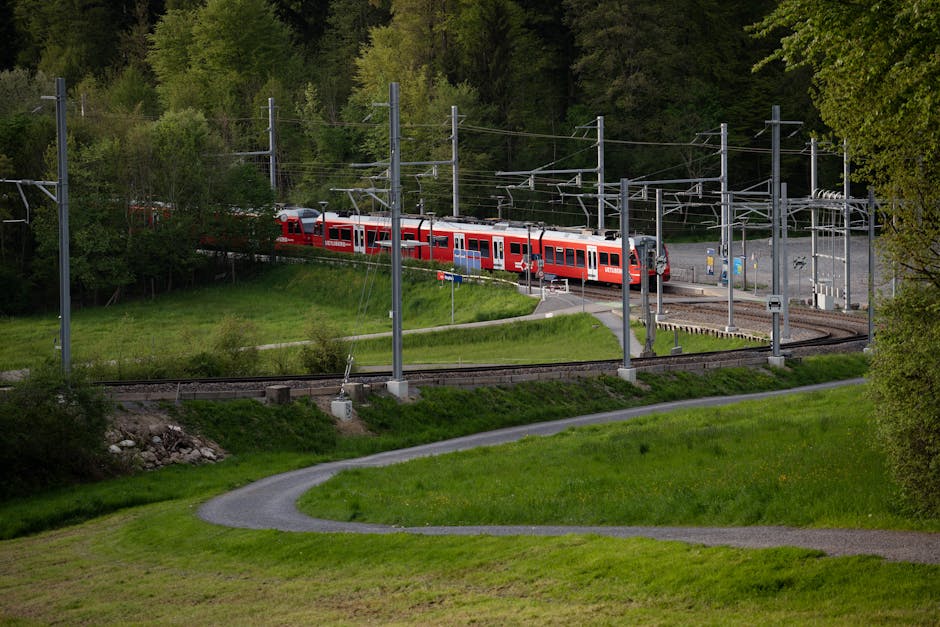
I’ve made all three. Here’s how to avoid them.
Mistake 1: Buying a rail pass for short trips
An Interrail Global Pass for 4 travel days costs about £220 per adult. If you’re only taking 2–3 trains on a trip from Amsterdam to Brussels to Paris, point-to-point tickets cost £60–£90 total. The pass costs more and requires seat reservations that add £10–£35 each.
When a pass makes sense: If you’re taking 6+ trains in 2 weeks, or traveling through Switzerland where single tickets are expensive. For a standard 5-day city break, skip the pass.
Mistake 2: Booking through the wrong platform and losing your ticket
Some third-party sites sell tickets that aren’t directly linked to the railway operator. If your train is canceled, the operator rebooks passengers who booked directly first. Third-party bookings get rebooked last.
Always book through the official operator site or a major platform like Trainline that has direct integration. Avoid obscure resellers with .biz or .net domains.
Mistake 3: Ignoring the 15-minute rule
European high-speed trains close doors 30 seconds before departure. Not 2 minutes. Not 1 minute. Thirty seconds. If you’re on the platform when the doors close, you’re stranded.
Set an alarm on your phone for 15 minutes before departure. That’s when you should be on the platform, bags ready, ticket open. Not at the station entrance. Not in the café. On the platform.
When Point-to-Point Tickets Beat Rail Passes Every Time
Here’s the short version. Point-to-point tickets win in these four scenarios:
- You’re taking 1–3 trains total. The pass premium isn’t worth it.
- You’re traveling with children under 12. Many operators offer child discounts of 50–100% on point-to-point tickets. Rail passes charge the full youth rate from age 12.
- You want flexibility on regional trains. Point-to-point tickets on regional routes are often valid all day. A rail pass is only valid for one specific train.
- You’re booking last-minute. A rail pass still requires seat reservations on high-speed trains, which cost the same whether you have a pass or not. You end up paying the pass cost plus the reservation fee — often more than a point-to-point ticket.
Rail passes are for travelers doing 6+ long-distance trips in 2 weeks, or people who want the freedom to change plans daily. For everyone else, point-to-point is cheaper and simpler.
How to Handle Delays and Missed Connections
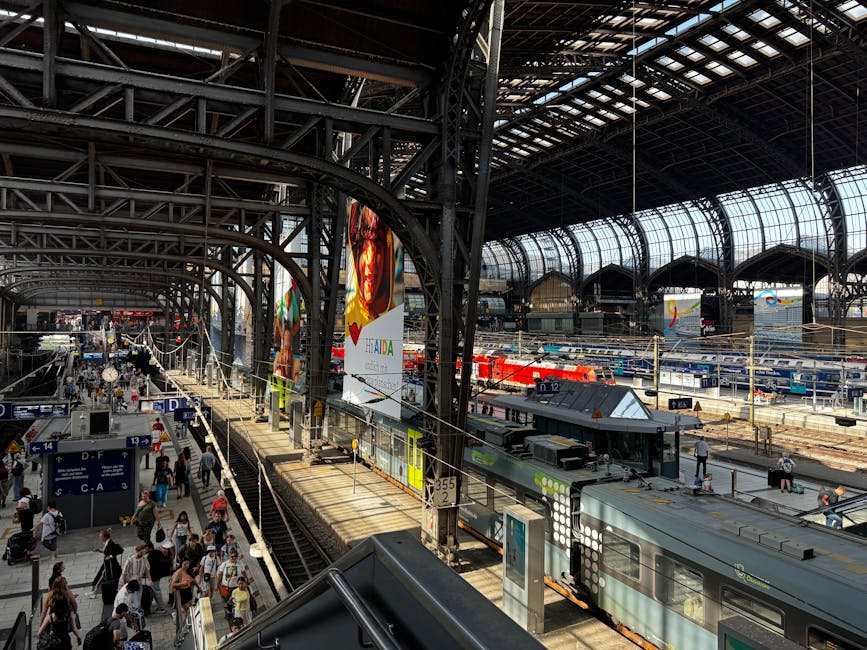
European trains are reliable. But delays happen. Here’s what to do when they do.
Know your rights
EU Regulation 1371/2007 covers all trains in the EU, Switzerland, and Norway. If your train is delayed by 60–119 minutes, you’re entitled to 25% of the ticket price back. Over 120 minutes, it’s 50%. This applies to point-to-point tickets, not rail passes.
File a claim through the operator’s website. Most have an online form. Keep your ticket and a screenshot of the delay notice.
Missed connection protocol
If you miss a connection because your first train was delayed, go to the ticket office or information desk of the operator you’re booked with. They will rebook you on the next available train at no cost. Do not buy a new ticket.
For high-speed trains with compulsory reservations, the staff can issue a new reservation immediately. For regional trains, just board the next one — your ticket is valid for any train on that route for the rest of the day.
Strike contingency
Strikes are common in France and Italy. If a strike is announced, operators typically allow you to exchange your ticket for a different date at no cost. Some offer refunds. Check the operator’s strike policy page before you travel.
During a strike, regional trains often still run, just less frequently. High-speed trains may be canceled entirely. If you’re flexible, switch to regional trains for that day. It’s slower but reliable.
One Weekend, Three Cities: The Easy Train Itinerary
Here’s a real-world example that uses the system above. A family of four spends a weekend visiting Amsterdam, Brussels, and Paris.
| Day | Route | Train | Cost (4 people) | Booking Window |
|---|---|---|---|---|
| Friday | London to Amsterdam | Eurostar | £280 (booked 8 weeks ahead) | 3–4 months |
| Saturday | Amsterdam to Brussels | Thalys | £120 (booked 4 weeks ahead) | 3 months |
| Sunday | Brussels to Paris | TGV | £100 (booked 2 weeks ahead) | 3 months |
| Sunday | Paris to London | Eurostar | £260 (booked 6 weeks ahead) | 3–4 months |
| Total | £760 | |||
Compare that to the same trip with a Eurail Global Pass (4 travel days, 2 adults + 2 children under 12): £1,100 for the passes plus £140 in reservation fees. Total: £1,240. Point-to-point saves £480.
The key was booking early. Every ticket in that itinerary was purchased at least 2 weeks ahead. The Amsterdam to Brussels leg was the cheapest because we booked it at 4 weeks — the price jumped from £120 to £200 at 2 weeks.
Easy train travel in Europe isn’t about luck. It’s about knowing which trains to book early, which platform to use, and how to pack light. Three steps. No rail pass required.