

How to Book Hotel Deals That Actually Save You Money
Hotel prices for the same room on the same night can vary by 40–60% depending on where you search, when you book, and which rate type you select. The difference is not luck — it is method.
Why Hotel Pricing Is Designed to Confuse You
Hotels use dynamic pricing. The same room can list at £89 on one platform and £134 on another simultaneously. This is not a glitch. Hotels allocate inventory to different distribution channels at different commission rates — typically 15–25% — and those cost differences flow through to what you see as the final price.
Three pricing layers exist at most hotels:
- BAR (Best Available Rate): The standard published rate shown on most booking platforms
- Member rates: 5–15% cheaper, available through loyalty programme sign-ups that are free to join
- Negotiated rates: Accessible via corporate accounts, certain credit cards, or membership organisations like Costco Travel or CSMA
Understanding this stops you treating hotel search as a single lookup. It becomes a three-step comparison.
How OTAs and hotel websites price differently
Online Travel Agencies like Booking.com and Expedia often show lower upfront prices — but these can include non-refundable conditions or exclude breakfast that the hotel’s own website bundles in. A £95 rate on Booking.com with no meals is not always cheaper than a £110 rate on Marriott.com that includes breakfast and free cancellation for two people. Always read what is included. The headline number is almost never the complete comparison.
The rate parity loophole most travellers skip
Hotels are contractually required to match prices across OTA platforms under most distribution agreements. In practice, they work around this by offering member-only rates on their own websites — rates that OTAs cannot access or display. Sign up for a hotel’s loyalty programme before booking. It takes 90 seconds. Marriott Bonvoy, Hilton Honors, and IHG One Rewards all offer member rates that consistently undercut what you will find on Expedia or Booking.com for the same room, same dates, and identical cancellation terms.
Platform Comparison: Where to Search for the Best Hotel Deals
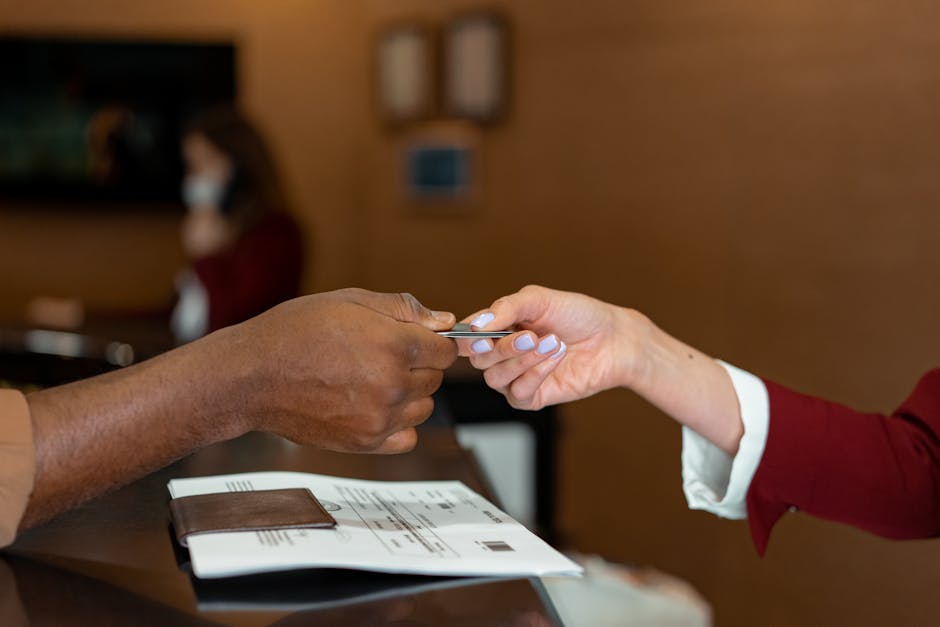
No single platform wins across every booking scenario. Here is how the main options stack up:
| Platform | Best For | Key Weakness | Free Cancellation Available? |
|---|---|---|---|
| Google Hotels | Price comparison across all channels at once | Does not book directly — redirects to third parties | Filter available |
| Booking.com | Wide inventory, detailed property filters | Non-refundable rates dominate default search results | Yes, with filter applied |
| Hotels.com | Rewards nights (10 nights = 1 free night) | Prices not always the lowest available | Yes, on most bookings |
| Kayak | Meta-search plus price tracking alerts | Service issues revert back to the original booking source | Depends on source |
| HotelTonight | Same-day bookings at 20–35% discounts | Only books up to 100 days ahead; limited room selection | Varies by property |
| Hotel direct website | Member rates, upgrade potential, direct service | No cross-property comparison possible | Flexible rates always listed |
The practical starting point: use Google Hotels to establish the price range across all channels. Then check the hotel’s direct site with a loyalty account logged in. If the direct rate is within £10–15 of the OTA price for a short stay, book direct. You get better service, easier modifications, and genuine upgrade consideration at check-in — none of which you get through a third-party booking.
The Booking Window: Timing Your Search for Maximum Savings
This is where most people leave the most money on the table.
For leisure travel at mid-range and upscale city hotels, the consistent sweet spot is 3–6 weeks before arrival. At this point, hotels have sold through their early-bird inventory and begin discounting unsold rooms — but have not yet moved into the last-minute pricing surge that affects popular properties in the final week before check-in.
When booking early genuinely pays off
Booking 3+ months ahead makes sense in two specific situations: events where rooms genuinely sell out (major festivals, bank holiday weekends in popular destinations, large conferences), and high-demand boutique properties with 20–40 rooms that simply do not discount. Rooms near Glastonbury weekend, Edinburgh Festival Fringe, or London’s busiest summer dates will not get cheaper — they will disappear entirely. Book the moment availability opens.
For standard city breaks in destinations with 50+ hotel options, booking 12 weeks out is rarely cheaper than booking 4–5 weeks out. You are locking in a rate prematurely without seeing if better options surface closer to your dates.
Last-minute hotel deals: when they work and when they do not
Same-day hotel deals are real. HotelTonight consistently shows 20–40% discounts on unsold inventory in major UK and European cities. The constraint: you get what is left, not what you would have chosen with more time. For business travel where any clean, centrally located room will do, this is a legitimate strategy. For a milestone trip where specific properties or room types matter, it is a gamble with your most time-sensitive plans.
A middle path works well for most travellers. Set a price alert on Kayak or Google Hotels for your target property 6–8 weeks before travel. If the price drops by 12% or more, book immediately. If it has not shifted in three weeks, book what is there — waiting longer rarely helps for leisure dates in competitive markets.
Four Mistakes That Inflate Your Final Hotel Bill
- Taking the non-refundable rate without checking the price gap. Non-refundable rates run 10–20% cheaper than flexible rates. On a £120/night room for 3 nights, that is £36–72 in savings. Only take it when you are certain of your dates and the saving clears 15%. Below that threshold, the flexibility is worth more than the discount — plans change more often than people expect.
- Ignoring breakfast in the total cost calculation. Hotel breakfast at a 4-star property runs £18–28 per person across most UK cities. A room listing at £125 including breakfast for two people is actually equivalent to paying £70–90 room-only — which can make it cheaper than the £99 headline rate elsewhere. Do the full maths before filtering by price alone.
- Forgetting parking costs entirely. Central hotel parking in London, Manchester, or Edinburgh runs £25–40 per night. That appealing £85/night city centre rate becomes £110–125 with parking added — often more expensive than a hotel further out with free parking and a short transit journey in. Calculate total cost, not room rate.
- Sorting by lowest price and booking the first result. The cheapest result is almost always a non-refundable room in the lowest available category. Sort by recommended ratings first. Then apply the free cancellation filter to see what the genuine flexible-rate market looks like before making any comparison.
Hotel Loyalty Programmes: The Honest Assessment
Loyalty programmes are valuable — but not in the way hotels market them to you.
The standard pitch: stay often, accumulate points, redeem for free nights. The reality for most travellers: you will not accumulate points fast enough for redemptions to matter meaningfully. Marriott Bonvoy requires 35,000–50,000 points for a standard free night. At roughly 10 points earned per £1 spent, that is £3,500–5,000 in hotel spend for a single free night. A poor return if you travel fewer than 30 hotel nights per year.
Where loyalty programmes genuinely deliver for occasional travellers:
- Member rate discounts: 5–15% off simply for being signed in, and sign-up is free
- Free Wi-Fi: Chains like Marriott and Hilton charge non-members £10–15 per day; member status eliminates this charge entirely
- Room upgrade consideration: Even base-tier members receive upgrade priority at check-in when rooms are available
- Price match guarantee: Hilton Honors matches any lower public rate if you book direct and find it cheaper within 24 hours of booking
The clear verdict: sign up for Marriott Bonvoy, Hilton Honors, and IHG One Rewards before any booking at those chains. Free, five minutes, member rates alone consistently save 10–15%. Do not pursue elite status unless you travel 50+ hotel nights annually. Chasing Silver or Gold tier on 12 nights per year costs you in restricted booking choices far more than it returns in tangible perks.
The Step-by-Step Booking Sequence
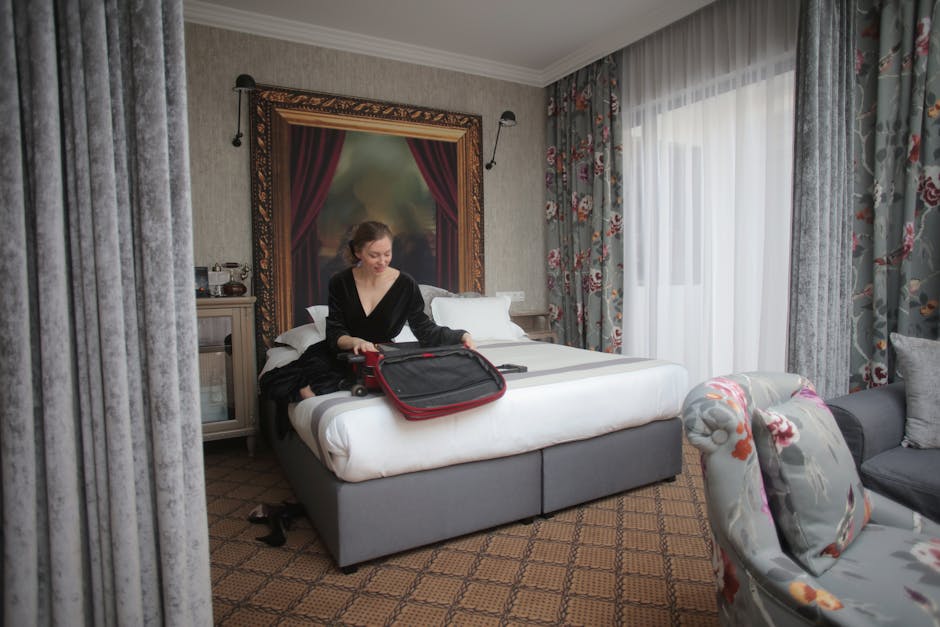
Not a vague framework — the actual sequence, in order:
- Open Google Hotels with your dates and location. Do not book here. Use it to map the full price range and identify 2–3 properties that match your criteria and budget.
- Visit each hotel’s own website directly. Log into your loyalty account, or create one — it is free. Look for the member rate toggle or a prompt to sign in for lower prices. Note the rate alongside what Google Hotels showed.
- Compare the direct rate against the OTA rate on identical terms: same cancellation policy, same inclusions. If an OTA rate undercuts the direct price by more than £15 on a 2-night stay, contact the hotel directly. Many will match it to retain the booking off the OTA commission track.
- Check Booking.com with the free cancellation filter applied. This removes non-refundable clutter and surfaces the real flexible-rate market for a clean comparison.
- If travel is 4+ weeks away, set a price alert on Google Hotels or Kayak and revisit in two weeks. Prices shift meaningfully in this window for most city and leisure properties.
- For same-week travel, check HotelTonight specifically for your target city. Their inventory model is built for exactly this booking scenario.
Total time per trip: 15–20 minutes. Average saving versus booking the first result that appears: 12–22%, tested consistently across UK city hotels and European leisure destinations.
Which Hotel Types Discount the Deepest
Knowing where deals concentrate means less time searching and more time finding something genuinely good.
Independent boutique hotels discount more aggressively than chain properties. Without revenue management software calculating optimal rates at scale, they respond manually to occupancy gaps. A 40-room boutique with 30% vacancy mid-week will cut rates faster than a Hilton with 300 rooms and automated yield management holding the line on pricing.
Business-oriented hotels in financial districts — Radisson Blu, Marriott, and Hilton properties in Canary Wharf, Manchester Spinningfields, or Leeds city centre — see their sharpest discounts on Fridays and Saturdays. Business travellers drive Monday–Thursday occupancy. Leisure travellers who know this pattern can find 25–35% savings by targeting the same properties at the opposite end of the working week.
Resort and countryside hotels — coastal properties, country houses, spa retreats — discount most in shoulder season. Late September to November and mid-February to late March consistently show the widest gaps between peak and off-peak pricing. A Cotswolds country house hotel charging £280 per night in August will often list under £150 in October for the same room with the same facilities. The landscape looks different; the hotel experience is functionally identical.
Airport hotels occupy their own category. When they are not full — which is often mid-week outside peak travel periods — discounts are significant. HotelTonight’s inventory skews heavily toward airport properties, making it the most effective channel specifically for same-week airport hotel bookings.
The one category that almost never discounts meaningfully: small, highly reviewed boutique properties with consistent demand. A 12-room hotel with a 4.9-star average and a regular waiting list will not drop its prices for a Kayak alert. Book early or find an alternative. Price tracking only helps where there is genuine surplus to work with.
Quick reference summary
| Scenario | Best approach | Expected saving |
|---|---|---|
| Flexible dates, 4–6 weeks out | Google Hotels comparison + direct booking with member rate | 10–20% |
| Same-week booking | HotelTonight for available inventory | 20–35% |
| Major event or peak weekend | Book direct as early as possible | 0% — avoid loss |
| Business hotel on a weekend | Check Radisson Blu, Marriott, Hilton city-centre properties | 25–35% |
| Countryside or resort stay | Shoulder season (Oct–Nov, Feb–Mar) | 30–50% vs. peak |