
Eco-Friendly Boutique Hotels Costa Rica: 5 Eco-Friendly Boutique Hotels in Costa Rica Worth Paying For
You find a beautiful Costa Rica hotel, see the word “eco” in its description, and then face a $500 nightly bill. The real question is not simply which property has the greenest branding. It is which hotel turns that money into protected habitat, lower-impact operations, useful local employment, and a stay that suits your trip. These are desk reviews based on published 2026 rates, operating details, location, and guest tradeoffs rather than personal inspections. Rios Lodge is the strongest value for a remote rainforest stay; Lapa Rios is the premium full-experience choice.
Which Costa Rica eco-lodge gives you the most for the price?
Start with the rate structure, not the pool photograph. Costa Rican eco-lodges often bundle meals, transfers, guides, or park access, while a boutique hotel near a town may quote the room alone. The table below uses published 2026 examples and shows why a lower nightly figure is not always the lower trip cost.
| Hotel | Location | Published 2026 price example | What the rate tells you | Best fit |
|---|---|---|---|---|
| Lapa Rios Lodge | Osa Peninsula | $1,116 per person, double occupancy, green season full experience | Full-experience pricing; dates and room category change the total sharply | Couples seeking a guided rainforest stay |
| Rios Lodge | Pacuare River | $399 low season or $499 high season per room, per night | Published room rate; meals, access, transport, taxes, and fees may be added | Families and adventure travelers |
| Bosque del Cabo | Osa Peninsula | $370 per person per night for two guests in green season | Includes three meals, tax, service base, and Puerto Jiménez transport | Wildlife travelers who want fewer add-on charges |
| Finca Rosa Blanca | Heredia coffee highlands | Live quote required | Fourteen villas, suites, and studios on an organic coffee farm | Short stays near San José and coffee lovers |
| Senda Monteverde | Monteverde | Live quote required | Twenty-eight rooms and suites, with published sustainability practices | Cloud-forest access with boutique comfort |
My price verdict is clear: choose Bosque del Cabo when meal and transfer costs would otherwise complicate your budget, and choose Rios Lodge when a family wants a lower published room rate and can manage extras. Request at least two direct quotes using the same dates, occupancy, meal plan, and cancellation terms.
What does “eco-friendly” actually mean at a Costa Rica hotel?
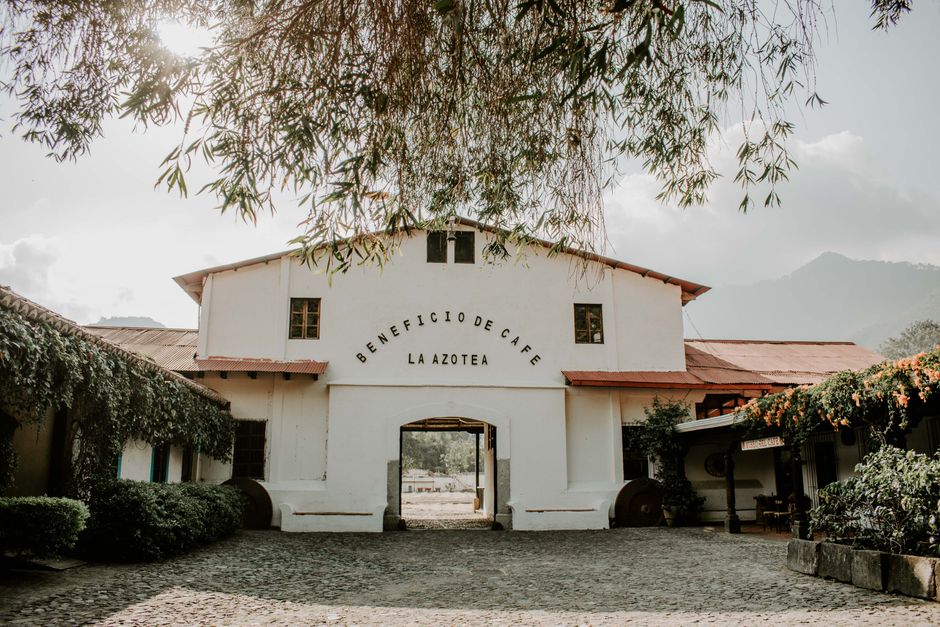
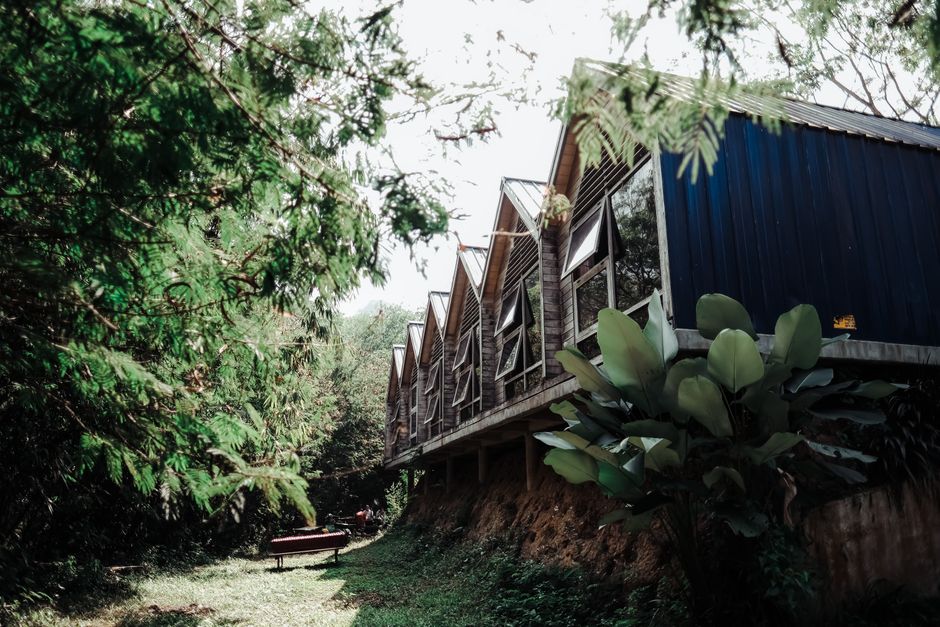
A genuinely responsible hotel should show its work in four areas: energy, water, waste, and land. Solar power or solar-heated water matters, but so does the hotel’s location and the amount of new road, construction, and imported food needed to operate it. A small property that protects forest, buys from nearby farmers, limits single-use plastic, and employs local residents may create a stronger result than a large resort with a vague green slogan.
Ask for measurable details before booking: the source of electricity, water-refill policy, sewage treatment, laundry schedule, recycling process, and any conservation partnership. A towel card alone is not proof of serious environmental work. Nor is a tree-planting promise that gives no number, location, or follow-up report.
The best test is consistency. A hotel that reduces plastic bottles but fills every menu with imported goods has solved only one part of the problem; a property that protects habitat but wastes water still has a meaningful gap. Use the same checklist for every option, then reward the hotel that explains its limits as clearly as its achievements.
How should you judge an eco-friendly boutique hotel before booking?
The first principle is simple: a hotel is not sustainable because it looks rustic. It earns that label when its operation puts fewer demands on the surrounding place while giving guests a strong reason to stay there. That requires checking both the physical property and the trip around it. A remote lodge may protect a large forest but require an expensive private transfer; a smaller inn near an established town may create less transport impact and send more spending into local businesses. Neither model wins automatically.
Check the property’s measurable claims
Look for operating details instead of broad promises. Solar electricity, solar-heated water, wastewater treatment, refill stations, composting, native landscaping, and limits on air-conditioning use are useful signals. Costa Rica’s Certification for Sustainable Tourism program can add credibility, but certification should not end your questions. Ask when the certification was issued, what level the property holds, and whether the claim covers the hotel, the farm, or only one part of the business. Finca Rosa Blanca is unusually specific: it describes solar-powered electricity, solar-heated water, an ionized swimming pool, organic agriculture, reforestation, and a top-level CST history.
Separate conservation from entertainment
A wildlife walk is not the same as wildlife protection. Find out who leads the activity, how many guests join, how close visitors approach animals, and where the money goes. A strong program keeps groups small, follows distance rules, and avoids feeding or handling wildlife. Lapa Rios earns its premium position because the stay is built around the Osa Peninsula’s rainforest, guided activities, and conservation setting rather than a decorative “jungle” theme. That still does not make every excursion automatically low-impact; confirm the specific activity before paying for it.
Price the complete stay
Write down the room, taxes, meals, airport or town transfers, park fees, guide fees, drinks, and cancellation cost. Rios Lodge is a good example of why this matters: its published 2026 room rates are $399 in low season and $499 in high season, but the property states that meals, transportation, lodge access, taxes, and fees can be additional. Bosque del Cabo presents a different calculation, with green-season rates for two guests listed at $370 per person per night and meals, tax, service base, and transport from Puerto Jiménez included. The lower headline price is not always the lower final price.
Five booking mistakes that make an eco-stay disappointing
- Confusing “boutique” with quiet. A small hotel can still sit beside a busy road, wedding venue, or popular trail. Check recent guest comments for noise, construction, and vehicle access.
- Ignoring transport distance. A remote lodge may need a boat, rafting trip, 4×4 vehicle, or scheduled shuttle. Confirm the arrival window and what happens if weather delays the transfer.
- Assuming every meal is included. Compare the package line by line. At some properties, the room is priced separately from food and access; at others, a full-experience rate covers most of the stay.
- Booking the wrong season. Costa Rica’s green season can reduce rates, but rain may affect hiking, road conditions, and wildlife visibility. Peak holiday dates can cost twice as much as shoulder dates at premium lodges.
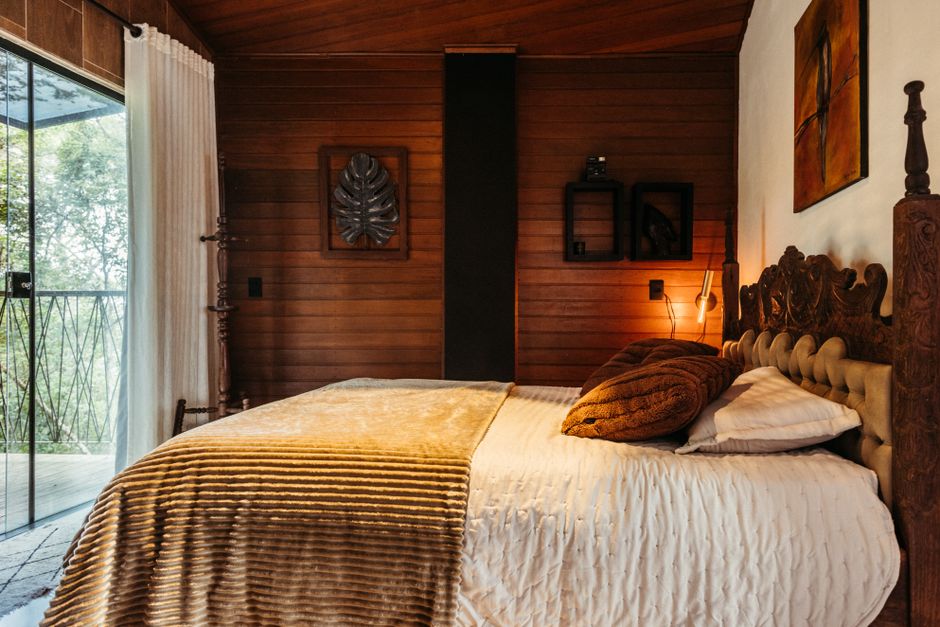
- Expecting city-hotel convenience in the forest. Weak or shared Wi-Fi, insects, limited hot water, open-air bathrooms, and early activity starts are normal at some eco-lodges. Read the room description before paying a deposit.
- Accepting an uncheckable green claim. Ask what the hotel measures and what it still needs to improve. A candid answer is more useful than a long list of slogans.
My strongest warning is about access. Do not choose a remote rainforest property for a one-night stop between flights. Transfers can consume most of a day, and a short stay leaves little time to enjoy the conservation work you are funding.
My clear picks by trip type
For a first serious eco-lodge stay, choose Rios Lodge. The $399 to $499 published 2026 room range gives families a clearer entry point than the per-person pricing at Lapa Rios, and the Pacuare River setting adds real adventure. The tradeoff is logistics: meals, access, transport, taxes, and fees can raise the final bill, and in-room Wi-Fi is limited or unavailable. Book it for at least two nights.
Best premium rainforest experience: Lapa Rios Lodge
Lapa Rios is the right pick for travelers who want a structured Osa Peninsula experience and are comfortable paying for guides, meals, and a conservation-focused setting. Its 2026 full-experience Forest View Bungalow rate is listed at $1,116 per person for two guests in the green season and $1,491 in high season. That is expensive, but the package format can make the stay easier to plan. Skip it if you want independent beach time, nightlife, or a simple room-only booking.
Best coffee-and-culture base: Finca Rosa Blanca
Finca Rosa Blanca is my choice for a softer landing near San José. Its 14 villas, suites, and studios sit on a sustainable coffee farm, with an organic plantation, farm-to-table dining, solar systems, and a long-running CST record. It suits couples who want nature without a river crossing or deep-jungle transfer. Ask for a live 2026 quote and check what breakfast, coffee tours, taxes, and transportation include.
Best cloud-forest boutique stay: Senda Monteverde
Senda Monteverde wins for travelers who want comfortable design and easy access to the cloud forest. The 28-room property describes a single-use plastic bottle-free policy, reusable water bottles, and energy-efficient design. Pick it over a remote lodge when you want restaurants, town access, and guided forest activities close together. Choose Hotel Belmar instead if an organic garden, on-site brewery, and a more established Monteverde property appeal more than Senda’s smaller contemporary feel.
Questions to ask before paying a 2026 deposit
Are eco-friendly boutique hotels in Costa Rica suitable for families?
Yes, but check minimum ages, room layouts, trail difficulty, and transfer rules. Rios Lodge lists family-oriented rooms, including a Creekside Family Suite with one king bed and two twin beds, but remote access and river conditions may not suit very young children. Ask for the exact age policy in writing.
Is the green season the cheapest time to visit?
Often, but not every property uses the same calendar. Compare the same room and package across April, May, September, and November, then add transport and meals. A lower room rate can disappear once you add a private transfer or extra dining.
Which hotel is best for a short Costa Rica trip?
Choose Finca Rosa Blanca for one or two nights near San José, or Senda Monteverde if cloud-forest access is the main goal. Avoid a far-flung rainforest lodge when your itinerary cannot spare the travel time.
How can I verify a sustainability claim?
Ask for certification details, energy and water measures, waste policies, local employment information, and conservation partners. Then compare the answers with the final price. For most travelers, Rios Lodge is the clearest value; for a premium all-in rainforest stay, Lapa Rios is the stronger recommendation.