A Pre-Trip Strength Plan for Bags, Stairs, and Long Walks
Train for the parts of travel that quietly add up: lifting a suitcase, carrying an uneven load, climbing steps, and walking after hours of sitting.
Travel strength is specific, not extreme
A family trip asks for repeated moderate effort rather than one spectacular lift. A suitcase must come off the floor, move into a trunk, roll over curbs, and sometimes go up a staircase. A child may need to be carried when the day runs long. Then everyone walks through terminals, museums, markets, or hotel corridors after spending hours seated.
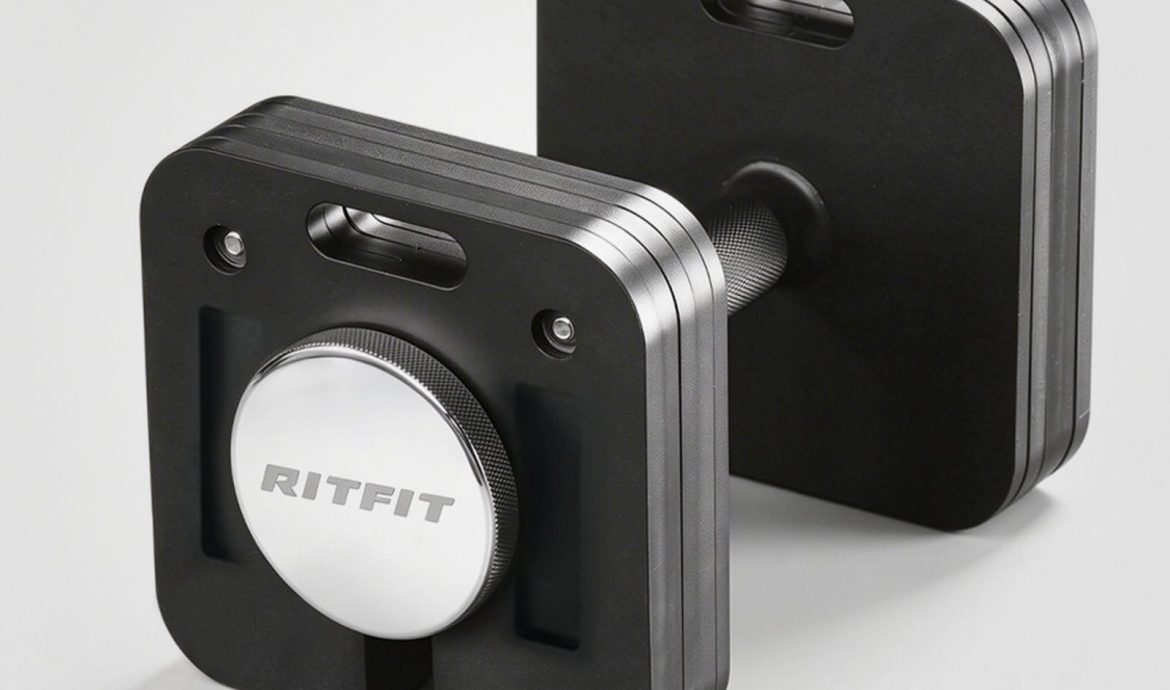
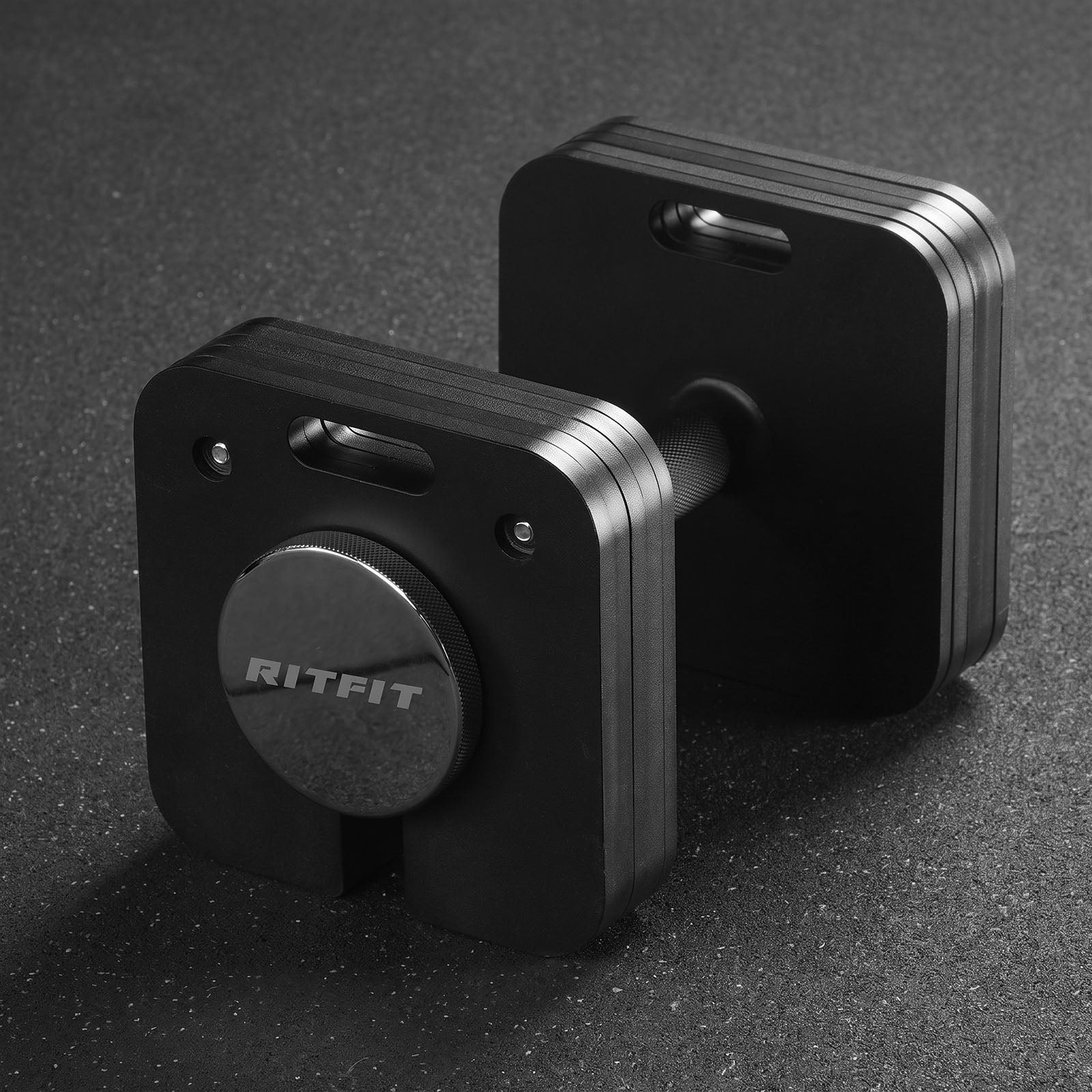
Training for those demands does not require copying the heaviest bag you own. It means practicing the patterns behind them: hinging, stepping, carrying, pulling, and bracing. Adjustable dumbbells are useful because the load can change between movements and between family members while the footprint stays relatively contained.
Start three weeks before departure
Three short sessions per week are enough to create familiarity without turning travel preparation into a new source of stress. Leave at least one rest day between sessions. In week one, learn the movements with light loads. In week two, add a little weight or one set. In the final week, keep the work steady and finish the last session at least two days before departure.
If you already train regularly, this can replace accessory work rather than adding more volume. If you are new to strength exercise, seek qualified instruction for unfamiliar movements and keep the effort conservative. The aim is confidence with luggage-scale tasks, not exhaustion before a holiday.
Movement one: the suitcase hinge
Place one dumbbell beside the outside of the foot, push the hips back, keep the object close, and stand by driving through the floor. Lower it with the same control. The off-center load asks the trunk to resist leaning, which resembles lifting a bag by one handle. Start with the dumbbell raised on a stable block if reaching the floor changes your back position.
Perform six to eight repetitions on each side. Stop the set when the shoulder drops, the weight drifts away, or the movement becomes fast and jerky. Good luggage lifting looks boring: the object stays close, the feet stay planted, and the hips do most of the work.
Movement two: the step-up
Use a low, stable step and practice driving through the whole foot. Begin without weight, then hold one dumbbell at the side if balance remains steady. The working leg should do the lifting; avoid springing off the floor with the trailing foot. Alternate legs or finish one side before switching.
Step-ups prepare the legs for station stairs, high curbs, and repeated changes in level. They also reveal side-to-side differences that ordinary walking can hide. Keep the platform low enough that the movement remains controlled and use a hand support when needed.
Movement three: carries with changing loads
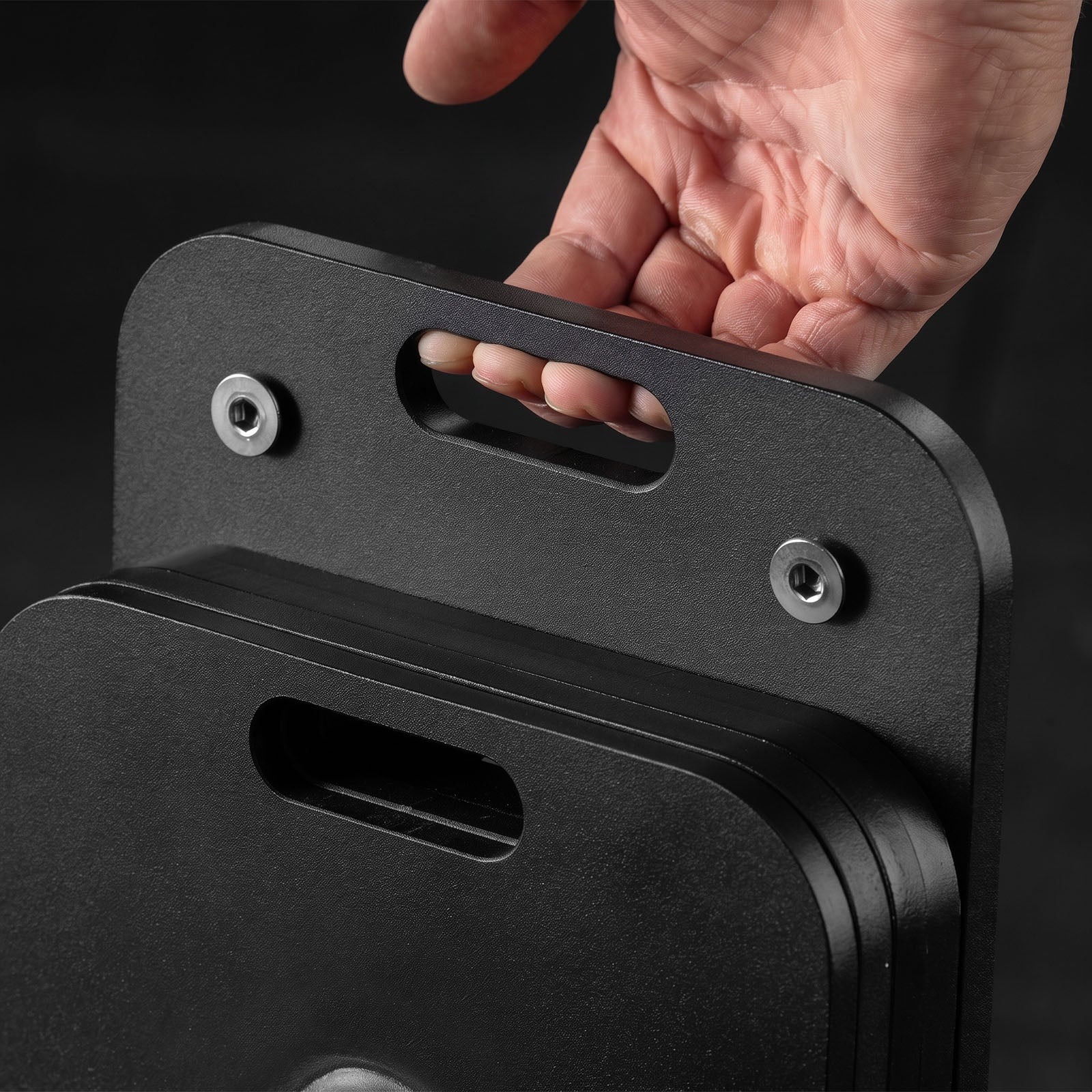
Use two dumbbells for a farmer carry, one for a suitcase carry, and one held at the chest for a front-loaded carry. Walk for twenty to thirty seconds with quiet steps, relaxed shoulders, and normal breathing. The load should challenge posture without pulling you out of it.
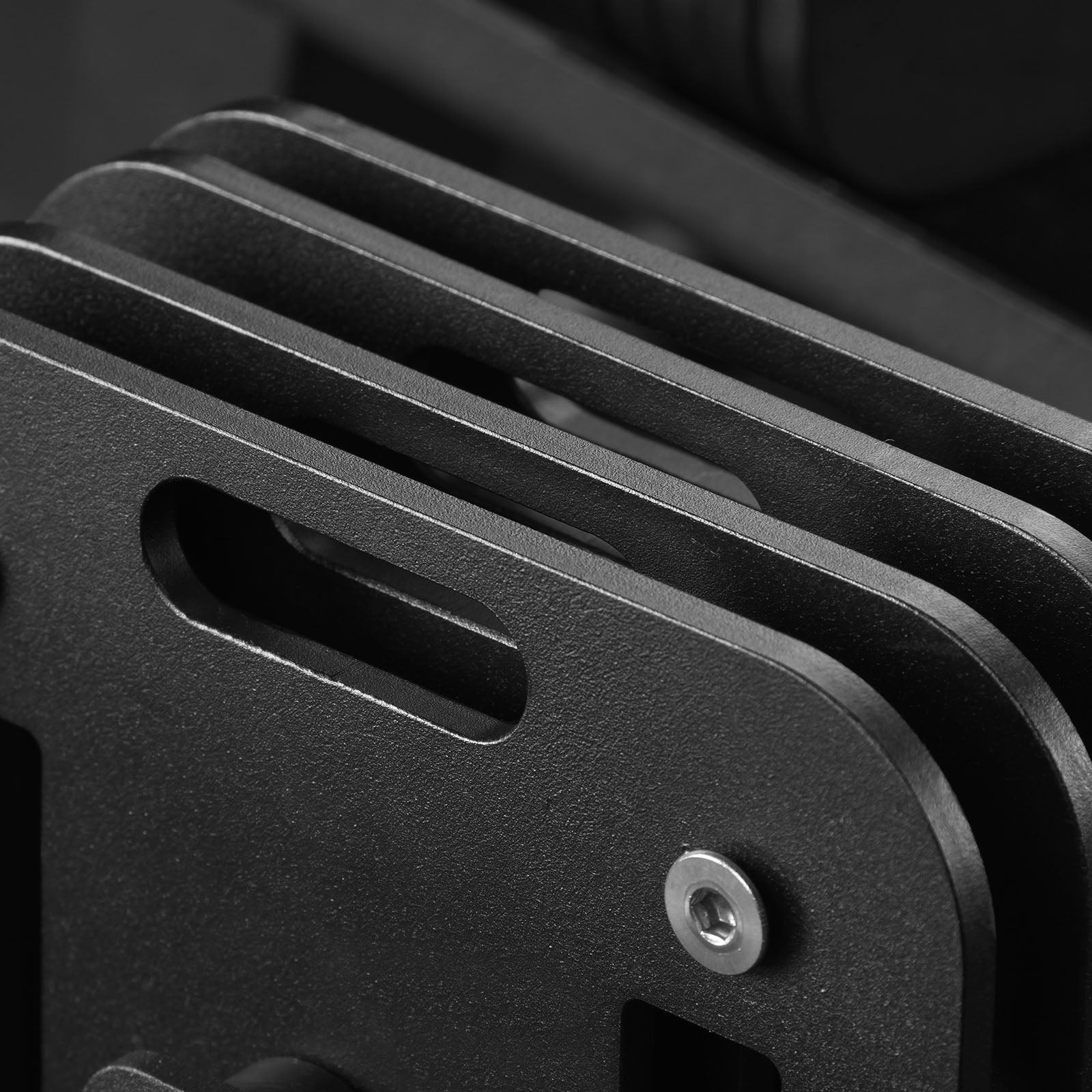
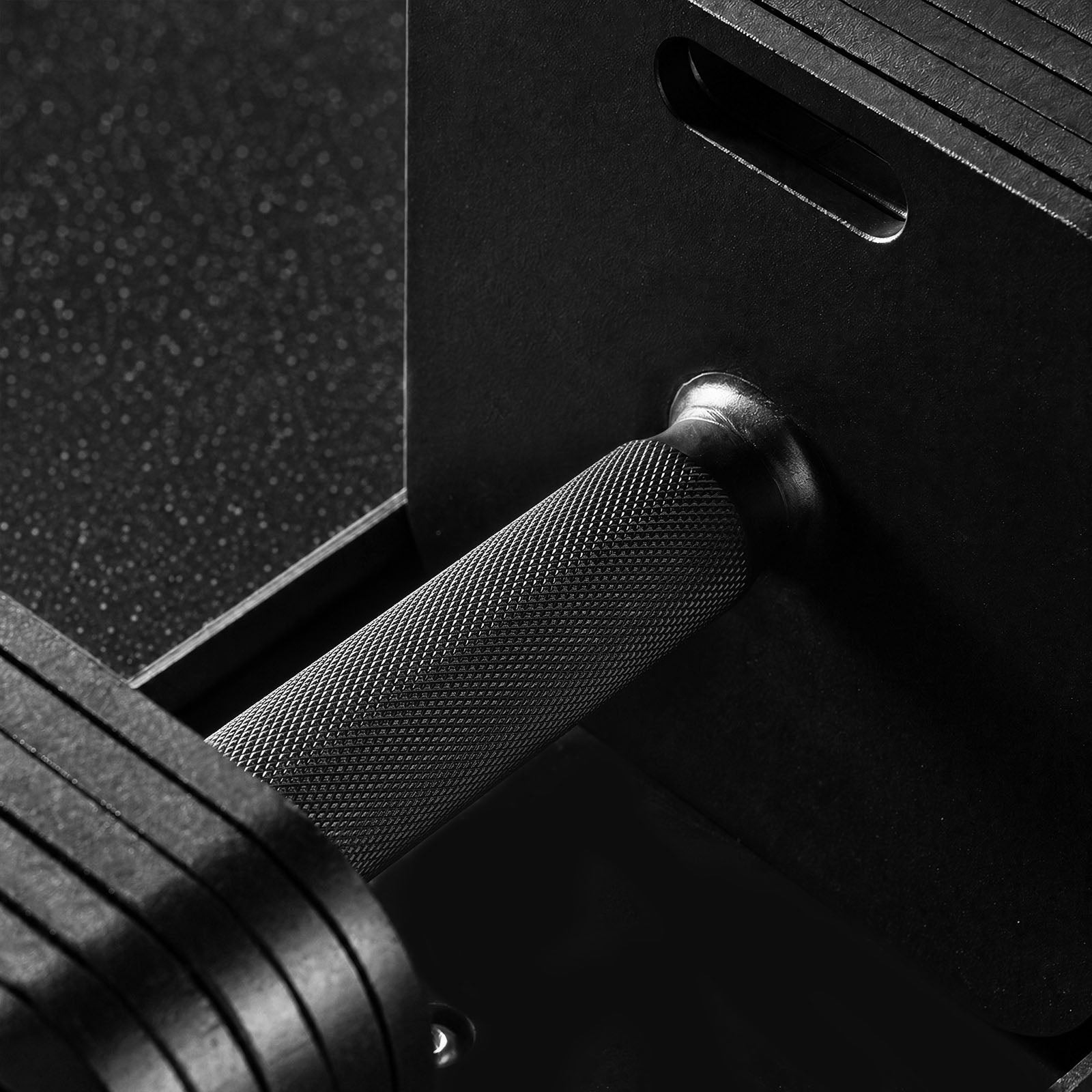
RITFIT’s current adjustable system is described as changing from 10 to 80 pounds, with configurations that can include a rack, kettlebell handle, and EZ curl bar. The product page says the complete system occupies 5.7 square feet. Check current configurations and availability on the merchant page, because package contents and prices may change.
Movement four: row and press
A one-arm row trains the pulling pattern used when drawing a suitcase from a luggage carousel or sliding a bag toward you. Support the free hand on a bench or sturdy surface, keep the torso still, and pull the elbow toward the hip. A light standing press adds overhead control for placing a soft bag on a shelf, but only use a range that feels comfortable.
Two or three sets of eight repetitions are plenty. Avoid turning either movement into a full-body swing. Travel strength comes from controlling ordinary loads in awkward environments, so deliberate repetitions are more useful than chasing speed.
Make the plan fit the family calendar
Put the sessions next to tasks that already happen: after school drop-off, before dinner prep, or while a packing list is being reviewed. Keep the dumbbells stored securely, with plates and attachments returned to their slots and the area inaccessible to young children. A tidy setup is part of training, not an optional final step.
On departure day, skip the workout. Walk, hydrate, and use good lifting mechanics with the real bags. The value of the plan is that the movements already feel familiar, leaving more attention for tickets, children, directions, and the parts of the journey that cannot be rehearsed at home.
Explore the adjustable dumbbell system at RITFIT
Product specifications, configurations, prices, and availability can change. Check the merchant page for current details before ordering.