
Varanasi’s Essential Sights for First-Time Visitors
Imagine the morning mist rising off a revered river, the scent of incense in the air, and the murmur of prayers carried by the wind. This is Varanasi, a city that pulsates with an energy unlike anywhere else. It is ancient, vibrant, and utterly captivating. For many, a trip here is a profound experience, a step into a spiritual heartland. But where do you even begin in a city so dense with history, ritual, and sheer spectacle?
Navigating Varanasi for the first time can feel overwhelming. Every alleyway seems to hold a new secret, every corner a new sound. It is a place to be experienced slowly, yet with a sense of purpose to truly appreciate its layers. This guide cuts through the noise, highlighting the absolute best places to visit in Varanasi, ensuring your first journey into this spiritual epicenter is both enriching and memorable.
Experiencing the Ganges: The Iconic Ghats
The ghats are the very soul of Varanasi, the steps leading down to the sacred Ganges River. More than just riverbanks, they are the stage for daily life, death, and devotion. Each ghat possesses its own unique character and story, offering distinct perspectives on the city’s spiritual pulse. Spending time walking along them, observing the rituals, is fundamental to understanding Varanasi.
Early mornings are particularly magical. You will see devotees performing their ablutions, yoga practitioners stretching in the rising sun, and priests preparing for the day’s ceremonies. The sheer diversity of human activity, set against the backdrop of ancient architecture and the flowing river, is a sight to behold. There are over 80 ghats, but a few stand out for their historical significance and the vibrancy of their activities.
When exploring, remember to be respectful. Photography is generally accepted, but always ask permission before taking close-ups of individuals involved in personal rituals. Wear comfortable walking shoes, as you will cover a lot of ground. And always keep an eye on your belongings in crowded areas.
Dashashwamedh Ghat: The Heart of the Aarti
This is arguably the most famous and active ghat. It is believed that Lord Brahma sacrificed ten horses here, hence the name “Dashashwamedh.” The ghat bustles from dawn till dusk, but its true spectacle unfolds every evening during the Ganga Aarti. The energy here is palpable, a vibrant mix of pilgrims, tourists, and locals. It is a central point for boat rides and offers excellent views of the river.
Manikarnika Ghat: A Glimpse into Life’s Cycle
Manikarnika is one of the oldest and most significant cremation ghats. It holds profound importance in Hindu mythology, believed to grant “moksha” (salvation) to those cremated here. While it might seem confronting to some, witnessing the continuous cycle of life and death here is a powerful, humbling experience. It is a place of solemnity and deep spiritual reflection, offering a raw, unfiltered view of Hindu faith. Observe from a respectful distance, and avoid taking photos.
Assi Ghat: Serenity and Morning Rituals
Located at the southern end of the main ghats, Assi Ghat is where the Assi River meets the Ganges. It is known for its relatively calmer atmosphere, especially in the mornings, making it a popular spot for yoga, meditation, and quiet contemplation. Many local students and scholars gather here. An early morning visit allows you to witness the sunrise, listen to devotional singing, and experience a more peaceful side of Varanasi’s river life. It is also a common starting point for longer boat trips.
The Spiritual Core: Must-Visit Temples
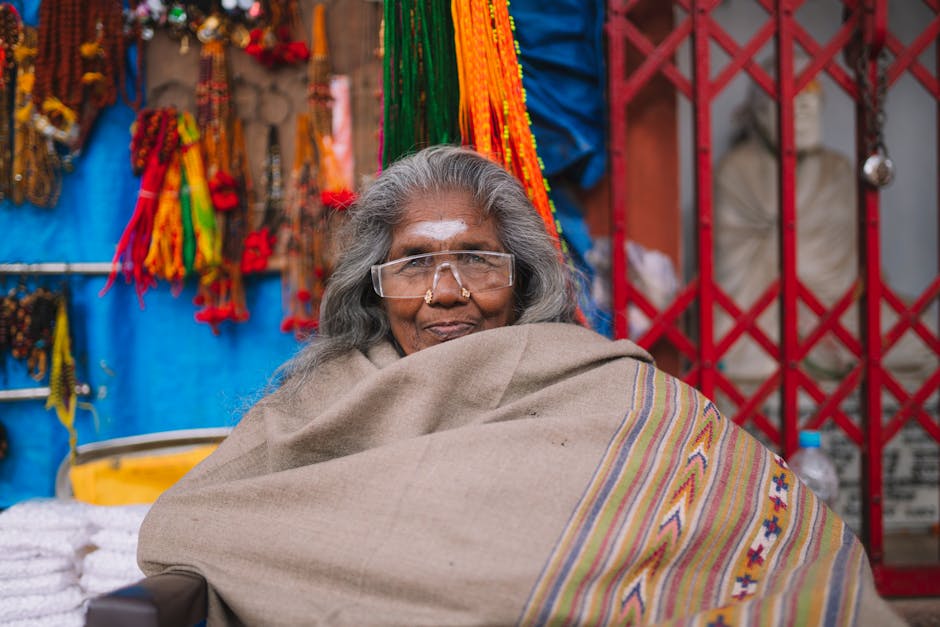
For first-time visitors prioritizing a deep spiritual immersion, **the Kashi Vishwanath Temple is undeniably the destination.** Its significance as one of the twelve Jyotirlingas of Lord Shiva makes it an absolute spiritual magnet, drawing pilgrims from across the globe. While the queues can be long and the security tight, the experience of being within its sacred precincts is central to understanding Varanasi’s identity as “Kashi,” the city of light.
Beyond the primary draw of Vishwanath, other temples offer distinct architectural styles, historical narratives, and devotional practices. Each provides a unique window into the rich tapestry of Hindu worship and belief systems that define Varanasi.
Kashi Vishwanath Temple: Navigating the Sacred Alleyways
Dedicated to Lord Shiva, this temple is the spiritual heart of Varanasi. Its current structure, built by Maharani Ahilyabai Holkar of Indore in 1780, stands as a testament to centuries of devotion. The temple complex is nestled deep within the narrow, winding lanes of the old city, making the journey to it an experience in itself. Expect strict security measures; cameras, phones, and bags are typically not allowed inside. There are lockers available nearby for a small fee.
Sankat Mochan Hanuman Temple: Seeking Blessings
Dedicated to Lord Hanuman, this temple is renowned for its belief in alleviating troubles (“sankat mochan” means “remover of troubles”). It is situated near the Banaras Hindu University campus and has a more open, serene atmosphere compared to the bustling Vishwanath Temple. Many devotees offer “laddoos” (sweet treats) to the deity. The temple also hosts classical music and dance concerts, making it a cultural hub.
Durga Temple (Durga Kund): Architecture and Lore
Also known as the Monkey Temple due to the large number of monkeys in its vicinity, the Durga Temple is dedicated to the Goddess Durga. It was built in the 18th century by a Bengali Maharani and features distinctive red-ochre architecture, a style common in North India. The temple is famous for its “kund” (pond) and offers a glimpse into another facet of Hindu deity worship. While perhaps not as crowded as Vishwanath, it is still an active place of worship.
The Unforgettable Ganga Aarti Spectacle
The Ganga Aarti at Dashashwamedh Ghat is not merely a ritual; it is a meticulously choreographed spectacle that engages all senses. Every evening, as dusk settles over the Ganges, a group of young priests, adorned in saffron robes, perform a deeply spiritual and visually stunning ceremony. Large multi-tiered lamps, incense, conch shells, and rhythmic chanting create an atmosphere of intense devotion and hypnotic beauty. It is an experience that transcends religious boundaries, captivating anyone who witnesses it.
The ceremony typically lasts about 45 minutes, commencing with the blowing of a conch shell and the ringing of bells. Priests move in synchronized patterns, performing rituals with fire, flowers, milk, and incense. The air fills with the fragrance of sandalwood and the sound of devotional songs. Thousands gather to watch, either from the ghat steps or from boats floating on the river. This collective devotion, the sheer scale of the performance, and the ancient traditions it represents make it a highlight for any visitor to Varanasi. It is a moment where the city’s spiritual essence truly comes alive, leaving a lasting impression of profound peace and vibrant energy.
Best Viewing Spots and Timings
The Ganga Aarti takes place daily at Dashashwamedh Ghat. The exact start time varies with the season, beginning shortly after sunset. In winter (October to March), it might start around 6:00 PM – 6:30 PM, while in summer (April to September), it can be closer to 7:00 PM. It is advisable to arrive at least an hour beforehand to secure a good spot, especially during peak tourist season. The most popular viewing spots are directly on the ghat steps or from a rented boat on the river. Boats offer a unique perspective, allowing you to see the ceremony from the water, often with less crowd congestion directly in front of you. Negotiate boat prices beforehand.
Understanding the Ritual’s Significance
The Ganga Aarti is a ritual of reverence and gratitude to the goddess Ganga, the sun, fire, and the entire universe. “Aarti” literally means “removal of darkness.” The lamps represent light, which symbolizes purity and divinity, and are offered to the deities. The synchronized movements of the priests, the chanting of mantras, and the offering of prayers are all meant to invoke positive energy and seek blessings. It is a way for devotees to express their devotion and connect with the cosmic forces, believing that the act purifies the soul and brings spiritual merit. The collective participation creates a powerful, unifying spiritual field.
Varanasi’s Flavors: Culinary Delights

Varanasi’s food scene is an essential, vibrant part of the experience, offering authentic, rich flavors. The city caters predominantly to vegetarian palates, with street food being a particular highlight. It is a true journey for your taste buds, from spicy street snacks to comforting sweet treats. Do not leave without sampling these local specialties.
Street Food Essentials
- Chaat: A generic term for a variety of savory snacks, often tangy, spicy, and sweet. Try “Tamatar Chaat” (tomato chaat), a local specialty unique to Varanasi.
- Kachori Sabzi: A popular breakfast of deep-fried, crispy bread served with spicy potato curry.
- Chole Bhature: Fluffy fried bread served with a rich chickpea curry.
- Pani Puri / Golgappe: Crispy hollow balls filled with spiced potatoes or chickpeas, dipped in flavored water.
Must-Try Sweets and Beverages
- Malaiyo: A seasonal winter delicacy, it is a frothy, creamy milk dessert flavored with saffron and pistachios, melt-in-your-mouth light.
- Thandai: A refreshing, traditional cold drink made with milk, nuts, and spices. Often infused with bhang (cannabis) during festivals like Holi, but readily available in its non-intoxicating form.
- Lassi: A thick, creamy yogurt drink, often served in traditional clay pots (“kulhads”) with various toppings like malai (cream) and dry fruits.
A Historical Excursion to Sarnath
Just 10 kilometers northeast of Varanasi lies Sarnath, a place of immense historical and spiritual significance. It is here that Gautama Buddha delivered his first sermon after attaining enlightenment, proclaiming the Dharma (the Buddhist teachings) to his five disciples. This momentous event marked the founding of the Buddhist Sangha (community). A day trip to Sarnath offers a serene contrast to the bustling energy of Varanasi, providing a peaceful escape and a deeper dive into Buddhist history. The sites are well-maintained, and the atmosphere is conducive to contemplation.
Many visitors choose to hire a taxi or an auto-rickshaw for a half-day or full-day trip. The journey itself is straightforward, taking around 30-40 minutes depending on traffic. Once there, the main sites are relatively close to each other, making it easy to explore on foot.
| Site Name | Description & Significance | Key Feature |
|---|---|---|
| Dhamek Stupa | Massive cylindrical stupa, marks the spot where Buddha delivered his first sermon. Built by Emperor Ashoka in 249 BCE, later expanded. | Intricate carvings; prominent landmark. |
| Chaukhandi Stupa | Built in the 5th century, believed to be where Buddha met his first five disciples. Later a Mughal tower was added. | Octagonal Mughal Tower atop a brick mound. |
| Mulagandhakuti Vihara | Modern Buddhist temple housing beautiful frescoes depicting scenes from Buddha’s life. Maintained by the Mahabodhi Society. | Japanese frescoes; sacred Bodhi tree sapling. |
| Ashoka Pillar (Original Site) | Though the pillar itself is broken, its base remains. The famous Lion Capital, India’s national emblem, was originally here. | Historical importance; Lion Capital replica. |
Dhamek Stupa and Chaukhandi Stupa
The **Dhamek Stupa** is the most impressive structure at Sarnath. Standing 34 meters high and 28 meters in diameter, it is a solid cylindrical tower adorned with beautifully carved floral and geometric patterns. It is believed to be where Buddha gave his first sermon. The nearby **Chaukhandi Stupa**, though less visually grand, marks the spot where Buddha first met the five ascetics who would become his first disciples. It is topped by an octagonal brick tower built by Emperor Akbar in 1588 to commemorate his father Humayun’s visit.
Sarnath Museum: Preserving Buddhist Heritage
The Sarnath Museum is an essential stop for anyone interested in Buddhist art and history. It houses an incredible collection of artifacts unearthed from the archaeological site, including sculptures, carvings, and inscriptions dating back to the Mauryan period. The most prized possession is the original Lion Capital of Ashoka, a magnificent sculpture of four lions standing back-to-back, which has become India’s national emblem. Photography is generally not allowed inside the museum, but the artifacts themselves provide a deep insight into ancient Buddhist art and culture.
Navigating the Ganges: Essential Boat Ride Insights
A boat ride on the Ganges is an indispensable part of the Varanasi experience. It provides a unique perspective of the ghats, offering panoramic views that simply cannot be achieved from land. Whether you opt for a sunrise journey or an evening cruise, the river’s timeless flow against the backdrop of ancient rituals and vibrant daily life is truly captivating. This is your chance to witness the city’s continuous rhythm from its lifeblood.
When is the best time for a boat ride?
The two most popular and rewarding times for a boat ride are at sunrise and during the evening Ganga Aarti. A sunrise boat ride offers a serene experience, watching the city awaken, seeing devotees perform morning rituals, and observing the golden light illuminate the ghats. It is peaceful and often less crowded. An evening boat ride provides an unparalleled view of the Ganga Aarti from the river, allowing you to appreciate the scale and energy of the ceremony without the crush of the crowd on the ghats. Both offer distinct, memorable experiences.
What type of boat should I choose?
You generally have two main options: a shared boat or a private boat. Shared boats are more economical and typically available for fixed routes, especially for the Ganga Aarti. They can get quite crowded. Private boats offer flexibility; you can dictate the duration, the route, and make stops as you wish. This is ideal if you want a more personalized experience, perhaps for photography or just quiet contemplation. Most boats are traditional wooden rowboats, though some motorized options are available. Bargaining for the price is expected, especially for private hires.
How much does a boat ride cost?
Boat prices can vary significantly based on the type of boat (shared vs. private, rowboat vs. motorboat), the duration, the time of day, and your bargaining skills. For a shared boat during the Ganga Aarti, expect to pay around INR 100-200 per person. A private rowboat for a sunrise or Aarti tour (1-2 hours) might range from INR 800-2000, depending on the season and demand. Always settle the price and clarify the duration before you embark to avoid any misunderstandings later. It is common to pay upon completion of the ride.
Discovering Local Crafts and Souvenirs
Varanasi is not just a spiritual destination; it is also a hub of traditional Indian craftsmanship. The city’s markets and workshops offer an array of unique goods that make for perfect souvenirs or gifts, each telling a story of local artistry and heritage. From luxurious textiles to intricate carvings, the range of products reflects centuries of skilled labor passed down through generations. Exploring these local crafts provides a tangible connection to Varanasi’s cultural identity and supports its artisan communities.
While navigating the crowded markets, remember to haggle respectfully, especially in smaller shops. It is part of the shopping culture here. Look for certified shops, particularly for high-value items like silk sarees, to ensure authenticity. Even if you are not planning to buy, observing the craftsmen at work or simply soaking in the vibrant atmosphere of these traditional markets is an experience in itself.
Banarasi Silk Sarees: A Timeless Tradition
Varanasi is world-renowned for its exquisite Banarasi silk sarees. These sarees are known for their rich brocade work, intricate designs, and fine quality silk, often taking weeks or even months to weave by hand. The patterns typically feature Mughal-inspired motifs, florals, and paisleys. A Banarasi saree is more than just clothing; it is a piece of art and a significant part of Indian cultural heritage. You will find numerous shops selling these, ranging from small family-run establishments to large showrooms. Key areas for genuine Banarasi silk include Thatheri Bazaar and the areas around Godowlia.
Wooden Toys and Stone Carvings
The city has a long tradition of crafting vibrant wooden toys. These are often brightly painted, depicting animals, gods, and everyday figures. They are lightweight, durable, and make charming gifts for children or decorative pieces. Alongside wooden toys, Varanasi is also known for its stone carving industry. Skilled artisans create beautiful sculptures of deities, intricate panels, and decorative items from various types of stone. Look for these crafts in the narrow lanes leading off the main ghats and in specific artisan workshops.
Local Markets: Where to Hunt for Treasures
To find the best local crafts, you will want to explore markets like Godowlia, Vishwanath Gali, and Thatheri Bazaar. **Godowlia** is a bustling commercial center where you can find a wide variety of goods, from clothing to household items, and is a great place for general shopping. **Vishwanath Gali** (the lane leading to Kashi Vishwanath Temple) is famous for religious paraphernalia, idols, and small souvenirs. For authentic Banarasi silk sarees and brocade fabrics, **Thatheri Bazaar** is the place to visit, known for its wholesale and retail silk shops. Be prepared for crowds and a sensory overload; it is all part of the Varanasi market charm.