
Quito Hotels: Skip the Tourist Traps, Find Real Comfort
You’re heading to Quito. Great. Now, where do you actually sleep? Many travelers make the same mistake, and it ruins their experience before they even unpack. They pick a hotel based solely on price or some vague idea of ‘historic charm.’ Big mistake. Quito isn’t a city where you can just wing your accommodation and expect convenience or safety everywhere. You need a strategy.
This isn’t about finding the cheapest bed. It’s about finding the right bed, in the right spot, for your trip. Forget the generic advice. This is what you actually need to know to avoid spending half your vacation in a taxi or feeling isolated.
The Quito Hotel Mistake You’re Probably Making
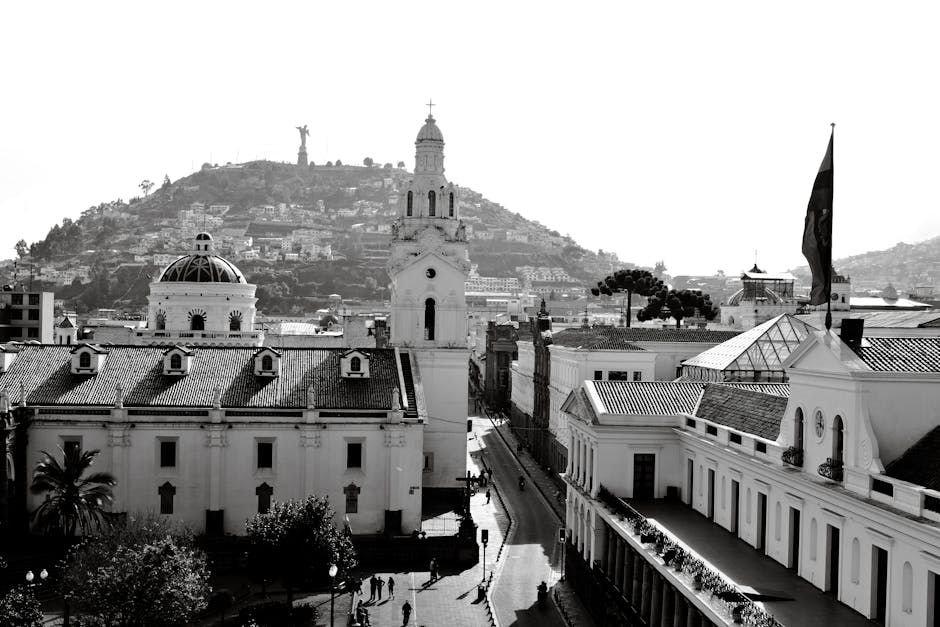
Here’s the straight truth: most first-time visitors to Quito gravitate toward the Historic Center. It’s beautiful, UNESCO-listed, and full of old-world grandeur. Naturally, hotels there promote that heavily. But it’s a romantic notion that often clashes with reality.
You think you’re getting an authentic experience, but often, you’re getting inconvenience. The Historic Center is fantastic for daytime exploration. Nighttime? Not so much. It largely shuts down. Restaurants are limited, and walking around after dark isn’t recommended. You end up needing taxis for dinner, for drinks, for any evening activity outside the immediate block of your hotel. This is not how you want to spend your limited time or budget.
Why the Historic Center Isn’t Always Your Best Bet
The Historic Center (Centro Histórico) is stunning. Churches, plazas, museums—it’s all there. But think practically. Many streets are pedestrian-only or have limited vehicle access, making taxi pickups and drop-offs a hassle. During the day, it’s bustling. After 6 PM, it empties out. The charm quickly fades when you realize you’re stranded for dinner options beyond tourist traps, or you’re paying for a taxi every time you want to step out.
Safety is a real concern here, especially at night. You’ll hear this from locals, and it’s not fear-mongering. Petty crime is more prevalent in the quieter areas after dark. For true comfort and freedom, you want somewhere lively and well-connected into the evening.
The Hidden Costs of ‘Charm’
Beyond taxi fares, consider the opportunity cost. If your hotel is in the Historic Center, you’re missing out on the vibrant restaurant scene, modern cafes, and artisan shops in other neighborhoods. You’re sacrificing easy access to better food, better nightlife, and a more contemporary Quito experience for a view of an old church. That’s a trade-off most travelers regret.
Historic buildings, while beautiful, sometimes mean older infrastructure. Think smaller rooms, less reliable hot water, or simply a lack of modern amenities you might expect. Always verify recent reviews regarding facilities, not just the aesthetic.
Where to Actually Stay: Neighborhoods That Deliver

Forget the Historic Center for your primary base. Your best bet is to stay north of the Historic Center, in areas that blend safety, convenience, and genuine local life. These neighborhoods offer better dining, easier transport, and a more comfortable overall experience.
La Floresta: The Sweet Spot
La Floresta is your top pick. Period. It’s a charming, tree-lined residential area with an incredible independent food scene. Think artisan coffee shops, farm-to-table restaurants, and boutique stores. It’s safe to walk around, even at night, and it feels genuinely local. You’re close enough to the Historic Center (a short taxi or bus ride) but far enough to escape the tourist bubble. This is where many expats and younger locals choose to live and socialize. Hotels like Hotel Vieja Cuba or smaller guesthouses thrive here, offering character without the inconvenience.
La Carolina: Business Meets Convenience
If you prefer modern comforts, larger hotels, and easy access to shopping and parks, the area around La Carolina Park is excellent. This is Quito’s financial and commercial hub. You’ll find international chains like JW Marriott Quito, Swissôtel Quito, and Dann Carlton Quito. The park itself is a massive green space perfect for walking, running, or just people-watching. You’re also surrounded by high-end shopping malls (Quicentro Shopping) and a plethora of restaurants. It’s well-connected by public transport (including the Metro) and taxis are abundant. It’s a safe, polished choice, though it lacks some of the bohemian charm of La Floresta.
La Mariscal: For the Night Owls (with a Warning)
La Mariscal used to be the main tourist hub. Now, it’s a mixed bag. It still has plenty of hostels, bars, and budget-friendly restaurants, especially around Plaza Foch. If your priority is nightlife and meeting other backpackers, this is your spot. However, it can be noisy, and certain parts are less safe at night than they once were. Exercise caution. If you’re over 30 and seeking a quiet, authentic experience, look elsewhere. For those who prioritize late-night options and don’t mind a bit of grit, places like Hotel Nunu offer a decent base.
Boutique vs. Big Brand: Know Your Vibe
Choosing between a small, independent hotel and a large international chain isn’t just about price. It’s about what kind of experience you want. Both have their merits, but they cater to very different needs.
Boutique Hotels: Character Over Chain
- Pros: Unique design, personalized service, often locally owned, strong sense of place, intimate atmosphere, often located in interesting neighborhoods like La Floresta or even within the Historic Center’s safer pockets (e.g., Casa Gangotena, Illa Experience Hotel).
- Cons: Fewer amenities (no gym or large pool), inconsistent service quality (varies wildly), potentially less soundproofing, not always ideal for business travelers needing specific corporate services.
If you prioritize aesthetics, personalized recommendations, and a hotel that feels like an extension of the city, go boutique. These hotels often invest heavily in local art and design, giving you a deeper connection to Ecuadorian culture. You’re paying for an experience, not just a room.
International Chains: Predictability Has Its Perks
- Pros: Consistent quality and service, familiar amenities (gyms, pools, business centers), reliable Wi-Fi, often located in modern, convenient districts (La Carolina), loyalty programs, English-speaking staff, strong security.
- Cons: Lacks local character, can feel impersonal, often more expensive, sometimes isolated from truly local experiences.
For business travelers, families, or anyone who values reliability and standard comforts above all else, a chain hotel is a safe bet. You know exactly what you’re getting, and there are rarely unpleasant surprises. Think the JW Marriott or Swissôtel in La Carolina. They deliver exactly what their brand promises.
Top Picks: Hotels That Earn Their Keep

Alright, let’s name some names. These hotels consistently deliver, looking for an opulent splurge or a reliable, comfortable stay. I’m not playing favorites; these are just solid choices for specific needs.
Luxury Done Right
For an unparalleled experience, two hotels in the Historic Center defy my earlier warning about the area being tricky: Casa Gangotena and Illa Experience Hotel. Both are within a protected, safer zone, offer impeccable service, and are destinations in themselves. They provide exclusive tours and evening activities within the Historic Center, mitigating the “shutdown” problem. Expect top-tier dining, stunning architecture, and service that anticipates your needs. They are expensive, but you get what you pay for: an actual experience, not just a room.
Solid Mid-Range Value
If you’re after comfort and convenience without breaking the bank, the Dann Carlton Quito in La Carolina is a smart pick. It’s a large, modern hotel with good facilities, including a pool and multiple dining options. It’s well-located for business and leisure travelers alike, with easy access to the park and transport. Another excellent option is Hotel Vieja Cuba in La Floresta. It’s smaller, charming, and perfectly placed for exploring the neighborhood’s culinary scene. You get a taste of Quito’s character without sacrificing comfort or safety, and the price point is often excellent for the value provided.
Boutique Gems Worth the Splurge
For those who want something unique and memorable, consider Hotel Carlota in the Historic Center. It’s a beautifully restored colonial house with modern design elements, offering a more intimate luxury experience than the grander historic hotels. Its rooftop terrace views are incredible. In La Floresta, smaller guesthouses like Casa Aliso Hotel Boutique offer a personalized, cozy experience with attention to detail and a strong connection to the local artistic vibe. These aren’t necessarily cheap, but they offer distinct character and excellent service that elevates your stay beyond just a bed.
Don’t Fall for These Common Hotel Traps
Booking a hotel isn’t just about pretty pictures. Quito has its own set of things to watch out for. Stay sharp.
Does ‘Scenic View’ Often Mean Noisy Street?
Yes. Many hotels will boast a ‘city view’ or ‘panoramic vista.’ In reality, this often means your room faces a major thoroughfare or a busy plaza. If you’re a light sleeper, that ‘scenic view’ will come with a symphony of horns, bus engines, and street vendors starting at 6 AM. Always check reviews specifically mentioning noise levels for rooms facing the street. If you value peace, request a room facing an inner courtyard, even if it lacks a view.
Should I Always Check for Breakfast Inclusions?
Absolutely. Many hotels, especially in the mid-range and boutique categories, include breakfast. This isn’t just a minor perk; it’s a significant convenience and cost-saver. A good, hearty breakfast can set you up for the day, and not having to find a cafe every morning saves time and money. Always verify what’s included and if it’s à la carte or a buffet. Some ‘included’ breakfasts are just coffee and a roll; others are a full spread of eggs, fruit, and local specialties.
Smart Booking Strategies for Quito
- Book Early, Especially for Peak Season: Quito’s peak tourist seasons are generally June-September and December-January. If you’re traveling then, popular hotels, especially the boutique ones, book up fast. Don’t wait until the last minute.
- Read Recent Reviews with a Critical Eye: Don’t just look at the star rating. Filter reviews by ‘most recent’ and pay close attention to comments about noise, Wi-Fi reliability, hot water, and the actual condition of the rooms. Disregard anything older than a year unless it’s a consistently top-rated luxury spot.
- Consider Your Itinerary First: If you plan to spend all your time in the Historic Center, maybe a luxury historic hotel is worth it. But if you’re exploring beyond that, prioritizing a hotel in La Floresta or La Carolina makes more sense for accessibility and variety.
- Don’t Overlook Small Guesthouses: Many smaller, family-run guesthouses don’t always show up on major booking sites but offer incredible value and personal service. Sometimes a direct email inquiry or a search on local Ecuadorian travel sites can uncover these hidden gems.
The Single Most Important Factor for Your Quito Stay
Forget the aesthetics for a moment. The single most important factor for a great Quito hotel experience is simple: location relative to your daily activities and evening comfort. Pick a neighborhood that allows you to walk around safely, offers diverse dining, and provides easy transport without constant reliance on taxis. That’s it. Everything else is secondary.