
Kyoto 7-Day Itinerary: A Mid-Range 2026 Budget Plan
Kyoto’s standard city bus fare is ¥230, but the sightseeing limited express bus costs ¥500. That small difference shows why a good Kyoto trip needs route planning, not just a list of famous temples. This seven-day plan is built for travelers who want comfortable accommodation, local food, major sights, and enough quiet time without paying luxury prices.
What should a mid-range Kyoto week cost?
A realistic daily budget
Plan on ¥15,000 to ¥23,000 per person per day once you share a double room. That covers ¥9,000 to ¥14,000 for your share of a mid-range hotel, ¥4,500 to ¥7,000 for meals and drinks, ¥600 to ¥1,100 for local transport, and ¥1,000 to ¥2,500 for admissions. A seven-day trip usually means six hotel nights, so a sensible total is ¥100,000 to ¥155,000 per person, excluding international flights, shopping, and expensive tasting menus.
Use the lower end for business hotels, set-meal restaurants, free temple grounds, and walking. Use the higher end for a ryokan night, taxis after dark, paid gardens, and a special dinner. Prices can move during cherry blossom season, autumn foliage, Golden Week, and major festivals, so treat this as a planning range rather than a promise.
Where the money disappears
The largest mistake is budgeting only for entrance tickets. A ¥500 coffee, ¥1,500 lunch, ¥2,000 taxi, and ¥4,000 souvenir purchase can quietly add ¥8,000 to one day. Keep a ¥10,000 emergency buffer per person. Book accommodation near a train station, eat breakfast from a bakery or convenience store, and reserve one paid experience instead of buying several rushed tours.
Where should you stay for efficient Kyoto days?
Best base for first-time visitors
Choose the area between Kyoto Station, Shijo, and Karasuma for the strongest mix of transport, food, and evening convenience. Kyoto Station works well for airport arrivals and day trips. Shijo-Karasuma gives you faster access to Nishiki Market, Gion, Kawaramachi, and the subway. Gion feels more atmospheric, but rooms cost more and late-night dining can be less practical.
For a mid-range double room in 2026, target ¥18,000 to ¥28,000 per night, or roughly ¥9,000 to ¥14,000 per person when two people share. A room with a private bathroom, luggage storage, and a station within a ten-minute walk is a better buy than a larger room far from rail connections.
How to avoid a bad location
Do not choose a hotel only because it sits beside one temple. Arashiyama is beautiful early in the morning but inconvenient for several later days. Higashiyama has narrow lanes and steep walks that make rolling luggage awkward. Check the route to Kyoto Station, the nearest supermarket, and the last train before booking. The winning location is central enough to reduce transfers, not the one with the most photogenic hotel entrance.
What should you do on Kyoto days 1 and 2?
Day 1: Kyoto Station, Gion, and Higashiyama
| Time | Plan | Budget |
|---|---|---|
| Morning | Arrive, leave bags, and walk Kyoto Station’s upper levels | Free |
| Lunch | Set meal near Shijo or Kawaramachi | ¥1,000-¥1,800 |
| Afternoon | Yasaka Shrine, Maruyama Park, and Kiyomizu-dera | ¥500-¥600 |
| Evening | Walk Ninenzaka, Sannenzaka, and Gion before dinner | ¥2,000-¥4,000 |
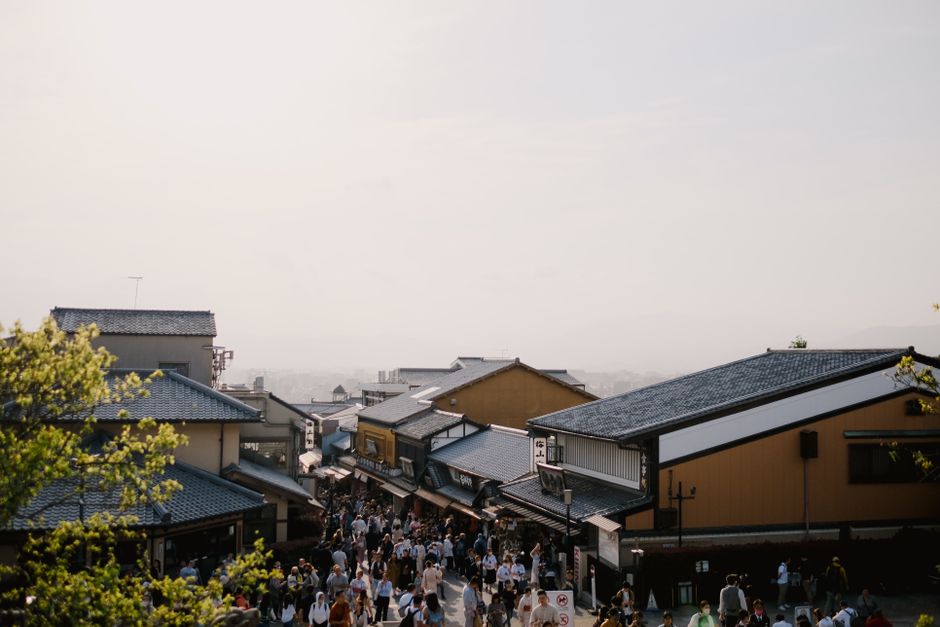
Start Kiyomizu-dera before 9 a.m. if you want photographs without the thickest crowds. Walk downhill through the preserved lanes, then pause in Maruyama Park instead of adding another distant temple. The route is compact, but the stone slopes are tiring, so wear shoes with firm grip.
Day 2: Arashiyama before the crowds
Take the JR Sagano Line to Saga-Arashiyama and reach the bamboo grove around 7:30 a.m. Continue to Tenryu-ji, cross Togetsukyo Bridge, and eat lunch away from the bridge frontage. For a calmer afternoon, choose Okochi Sanso Garden or walk along the Hozugawa riverbank. Return before dinner rather than trying to combine Arashiyama with Fushimi Inari. That pairing looks efficient on a map but creates a long, tiring day with two crowded transport corridors.
How should you plan Kyoto days 3 and 4?
Day 3: Northern Kyoto and Nijo Castle
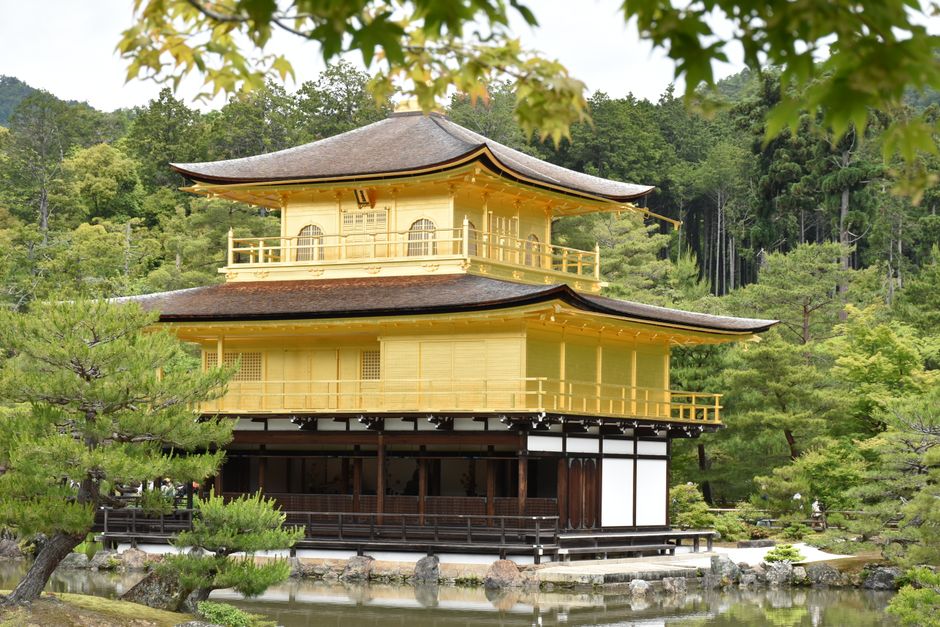
- Take the subway or bus to Kinkaku-ji for opening time. Allow 60 to 75 minutes.
- Walk or take a short bus ride to Ryoan-ji. Spend 45 minutes viewing the rock garden and grounds.
- Eat a simple lunch near Nijo or Imadegawa rather than returning to the busiest tourist streets.
- Visit Nijo Castle in the afternoon. Its painted interiors and nightingale floors offer a different experience from temple gardens.
- Finish with dinner around Sanjo or Karasuma, where the restaurant choice is wider than beside the temples.
This is the day to use the Kyoto City Subway & Bus 1-Day Pass only if your route includes several covered rides. The adult price is ¥1,100 and the child price is ¥550. Three short rides may cost less with an IC card, while four or five rides plus a subway transfer can make the pass worthwhile.
Day 4: Fushimi Inari and Uji
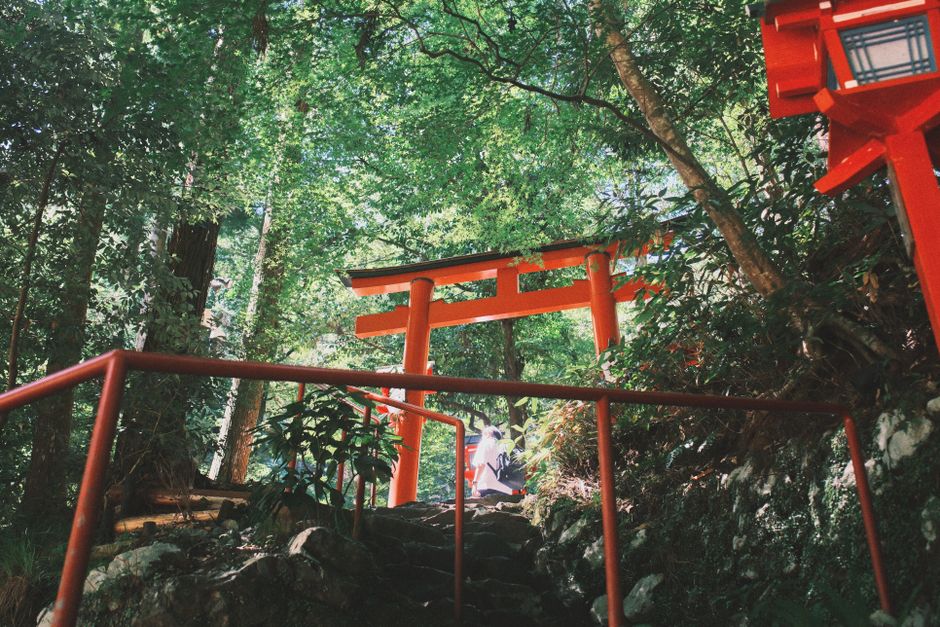
Reach Fushimi Inari Taisha before 8 a.m. Walk through the lower torii gates, then climb only as high as your energy allows. The full summit takes about two hours round trip, but the first viewpoint gives you the famous gates without requiring the entire climb. Continue by train to Uji for Byodo-in, matcha soba, and a tea dessert. Uji is a better afternoon pairing than another central Kyoto temple because the train route is direct and the pace becomes quieter.
Which Kyoto days deserve the biggest splurge?
Spend your extra money on one excellent meal and one slower cultural experience, not on taxis between every attraction. Kyoto rewards time more than speed. A ¥6,000 kaiseki-style lunch or a small tea ceremony can feel more memorable than three ¥2,000 add-on tours.
Day 5: Philosopher’s Path and eastern temples
Start at Ginkaku-ji, then walk south along the Philosopher’s Path to Honen-in and Nanzen-ji. Pack water because the best stretches have few convenient shops. Eat lunch near Keage or Okazaki, then choose the Kyoto City KYOCERA Museum of Art or Heian-jingu. This route gives you gardens, canals, and neighborhood streets without repeating the heavy crowds of Kiyomizu.
Day 6: Markets, crafts, and an evening meal
Visit Nishiki Market before noon, when vendors are open and the aisles are less packed. Treat it as a tasting stop rather than a full meal: budget ¥1,500 to ¥3,000 for small bites. Spend the afternoon at the Kyoto International Manga Museum, Kyoto Museum of Crafts and Design, or a small workshop. For dinner, reserve a counter seat in Pontocho or Kawaramachi. The clear verdict is to book one special meal early and keep the other evenings casual; that gives the budget a memorable peak without making the entire week expensive.
How do you avoid Kyoto transport and timing mistakes?
Should you buy a rail pass?
No. This itinerary stays inside Kyoto, so a nationwide Japan Rail Pass usually adds cost without adding useful coverage. Buy single tickets or tap an ICOCA card for ordinary journeys. The ICOCA & HARUKA combination includes a ¥2,000 ICOCA card, of which ¥500 is a deposit, plus the discounted airport train ticket. The JR-West HARUKA one-way fare from Kansai Airport to Kyoto is ¥2,200 for an adult visitor ticket.
When is a day pass a bad buy?
Do not buy the Kyoto City Subway & Bus 1-Day Pass on a day built around walking. Two ¥230 bus rides and one ¥260 subway ride total ¥720, so an IC card wins. Buy the ¥1,100 pass for a transport-heavy day such as Kinkaku-ji, Ryoan-ji, and Nijo Castle, but check route coverage first. Kyoto buses can fill quickly; use the subway for long cross-town moves, walk between nearby sights, and keep Google Maps downloaded for offline station names and walking routes.
Skip taxis during the afternoon rush unless rain, mobility needs, or luggage makes them necessary. A ten-minute taxi ride can take thirty minutes in traffic around Gion and Kyoto Station.
Which 7-day Kyoto plan gives the best value?
The balanced version
The strongest plan combines early starts, one day outside the central temple loop, and two low-cost walking days. It gives you major sights without turning every morning into a race. Keep admission receipts and record daily spending in a notes app; the budget becomes easier to control when dinner choices respond to what you spent at lunch.
| Trip style | Typical daily spend | Best choice for | Verdict |
|---|---|---|---|
| Lean mid-range | ¥15,000 | Central business hotel, casual meals, mostly walking | Best for solo travelers who value location over room size |
| Comfortable mid-range | ¥19,000-¥23,000 | Shared hotel room, mixed restaurants, paid gardens, one special meal | Best overall balance for a first Kyoto week |
| Slow cultural trip | ¥25,000+ | Ryokan night, tea experience, taxis, and premium dining | Best when comfort matters more than covering every landmark |
Final route choice
Choose the comfortable mid-range version. Stay near Kyoto Station or Shijo-Karasuma, begin popular sights early, use an ICOCA for light travel, and reserve the ¥1,100 day pass for a genuinely busy route. That combination protects your budget while leaving enough time to notice the details that make Kyoto more than a checklist of temples.