
Iceland Winter Packing List for a Two-Week Carry-On Trip
Your suitcase is already full before you add a coat, waterproof shoes, and the wool layers Iceland demands. The fix is not packing less warmth; it is packing fewer duplicate items and planning to wash clothes during the trip.
Pack for Wind and Rain, Not Just Low Temperatures
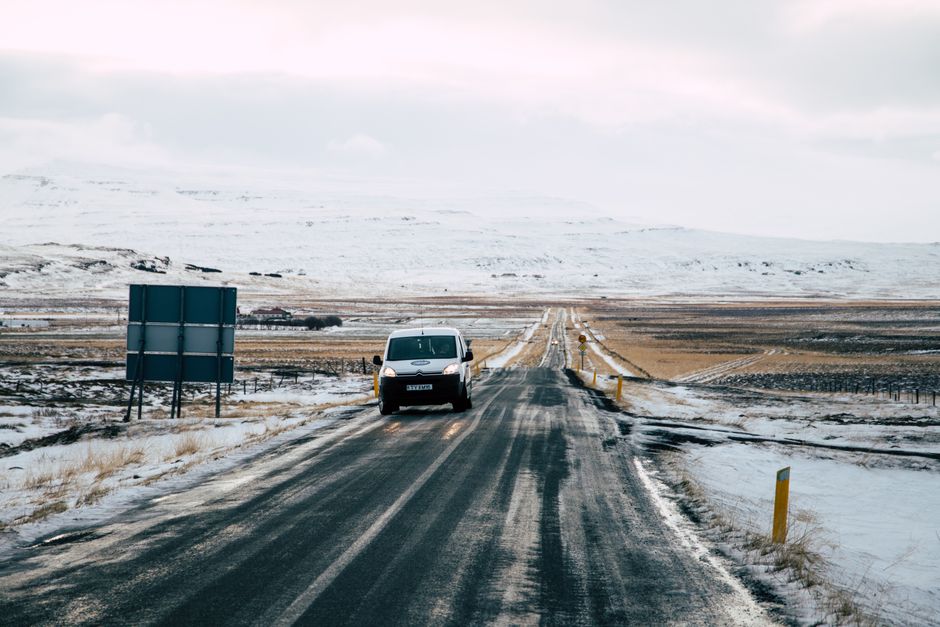
Verdict: build your Iceland winter packing list around a waterproof outer shell, insulating layers, and shoes that can handle wet ground. A thick fashion coat alone is the wrong answer. Iceland’s weather can move from calm sunshine to sideways rain within the same outing, so your clothing needs to work as a system.
The three-layer system saves the most space
Start with one close-fitting base layer that moves sweat away from your skin. Merino wool works well because it stays wearable after several uses and does not hold odour as quickly as cotton. Add a fleece or light synthetic mid-layer for warmth. Finish with a waterproof, wind-resistant shell that blocks rain without trapping every bit of moisture inside.
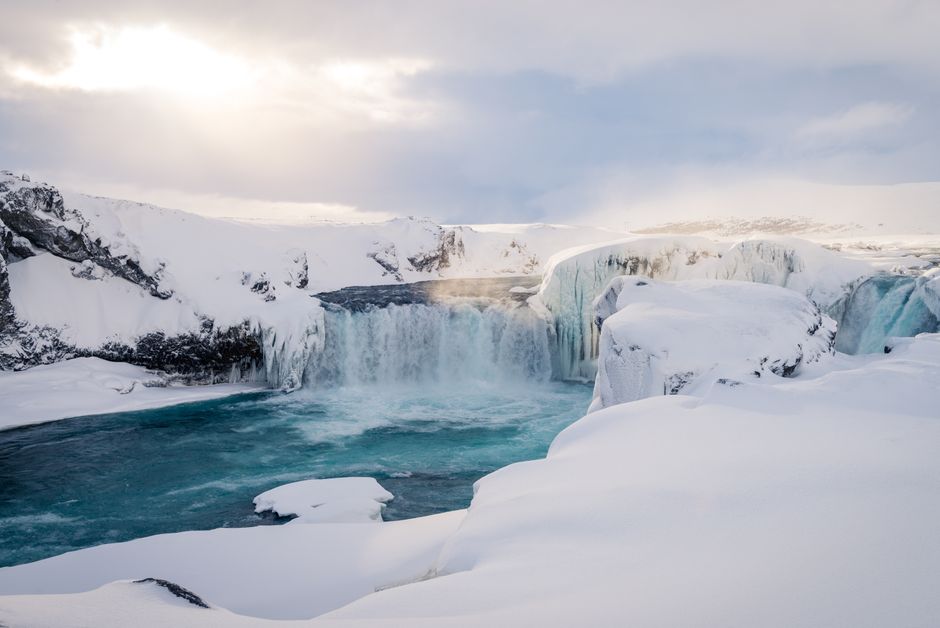
Each layer should work on its own. You may wear only the base layer inside a heated café, the base and mid-layer while sightseeing, and all three beside a waterfall. That flexibility matters more than owning one extremely bulky jumper.
Use a small clothing rotation
For fourteen days, pack three tops for your upper body: two base layers and one casual long-sleeve shirt. Add two mid-layers, two pairs of trousers, one pair of thermal leggings, four pairs of underwear, and four pairs of socks. Wear the heaviest trousers, mid-layer, and walking shoes on the flight.
Do not pack fourteen outfits. Plan to wash underwear, socks, and base layers every four or five days. A sink wash takes minutes, and most guesthouses or apartments have a drying rack. The clothes need to dry overnight, so avoid thick cotton sweatshirts and heavy denim. They take too long to dry and do very little when damp.
Use a Carry-On Weight Plan Before You Start Packing
The most reliable way to pack light is to assign space and weight before you fill the bag. A compact carry-on may hold plenty of clothing but still fail at the airport scale once boots, toiletries, chargers, and a winter coat are inside.
| Item group | Target weight | Carry-on space | What belongs there |
|---|---|---|---|
| Clothing | 3.5–4.5 kg | One packing cube | Layers, underwear, socks, sleepwear |
| Outerwear | 1.5–2.5 kg | Wear it | Shell, insulated jacket, hat, gloves |
| Footwear | 1.2–1.8 kg | Wear the main pair | Waterproof walking shoes and light slippers |
| Toiletries | 0.6–1 kg | Clear liquids bag | 100 ml containers, medication, basic skincare |
| Electronics | 0.8–1.5 kg | Personal-item pouch | Phone, charger, power bank, camera if needed |
| Contingency | 0.5 kg | Small gap | Snacks, laundry bag, spare cable |
Keep heavy items close to your body
Wear your waterproof walking shoes on travel days. Put the insulated jacket on your body or strap it to the outside of the bag if the airline allows that. Store socks and underwear inside shoes to fill dead space. Put chargers and toiletries near the top so you can remove them quickly at security.
Choose a soft bag when the rules allow it
A soft-sided carry-on often compresses around clothing more easily than a rigid case. Still, check the exact airline size and weight limits before departure. A bag that measures 55 by 40 by 23 centimetres may fit one carrier’s cabin rule and fail another’s, especially on a low-cost fare. The airline rule wins over any general packing list.
Build the Warmth Kit Around Five Useful Items
Once the packing method is clear, choose gear that earns its place. You do not need an expedition wardrobe for Reykjavík, restaurants, museums, and guided day trips. You do need pieces that dry quickly, block wind, and keep working after a wet walk.
Base layers: merino wins for repeat wear
The Smartwool Classic Thermal Merino 250 Crew costs about $115 and weighs roughly 260 grams in a men’s medium, with women’s versions in a similar range. It is warm and comfortable, but it takes longer to dry than a thin synthetic layer. The Uniqlo HEATTECH Extra Warm Crew is usually around $29.90 and packs smaller. It is the better budget choice for short outdoor periods, though it holds odour sooner and is less useful when wet.
My pick for a two-week trip is two medium-weight base tops rather than one very thick thermal top. Two tops create a rotation, and you can wear one under a fleece while the other dries. Pack thermal leggings only if you expect long stops outdoors, northern-lights tours, or several hours in exposed wind.
Mid-layers: fleece beats a bulky jumper
A Patagonia Better Sweater ¼-Zip costs about $139 and gives comfortable warmth, but it is heavier and bulkier than a simple grid fleece. The Decathlon Forclaz MT100 fleece, often priced near $25, is the practical carry-on winner. It weighs around 300 grams, dries quickly, and can sit under a shell without restricting your arms.
Bring one fleece and one light insulated jacket. The fleece handles active walking. The insulated jacket handles cold bus stops, windy viewpoints, and standing outside for the aurora. A second heavy jumper adds weight without giving you a useful new combination.
Shell, shoes, and small weather barriers
The Patagonia Torrentshell 3L is typically listed around $179 and has a three-layer waterproof construction with an adjustable hood. The Columbia Watertight II is usually closer to $90 and packs smaller, but its lighter construction feels less robust in hard wind and repeated rain. For a carry-on trip, the Columbia is fine for occasional showers; the Patagonia is the stronger choice for daily outdoor touring.
For shoes, the Salomon X Ultra 4 Mid GTX costs about $170 and gives a firm sole, ankle coverage, and a waterproof membrane. The Merrell Moab 3 Waterproof is often around $140 and has a roomier fit. Pick the pair that already fits your feet. New boots can create blisters on day one, and no waterproof membrane fixes a bad fit.
Add wool socks, a thin beanie that covers your ears, waterproof gloves, and a neck gaiter. Pack microspikes only if your tour operator recommends them for the planned route. They are useful on icy paths but dead weight for city days. Sunglasses also deserve space: low winter sun and snow glare can make driving and sightseeing uncomfortable.
Follow This Packing Order and Avoid the Usual Failures
The common mistake is packing from the weather forecast instead of from the activities. Forecasts change. Your need for one dry base layer, one warm mid-layer, and one weatherproof shell does not.
Pack in this order
- Wear the largest pieces. Fly in your waterproof walking shoes, main trousers, fleece, and shell. Carry the insulated jacket by hand if the cabin rules permit it.
- Pack the clothing core. Add two base tops, one casual long-sleeve shirt, two pairs of trousers, thermal leggings, four underwear sets, four pairs of socks, and sleepwear.
- Add weather accessories. Place gloves, hat, neck gaiter, and spare socks in an outside pocket. You should reach them without opening the whole suitcase.
- Build a laundry kit. Take a small detergent sheet pack, a lightweight laundry bag, and a sink stopper only if your accommodation may not have one. Do not pack a full-size bottle of detergent.
- Separate liquids and medication. Keep medication in its original packaging. Put liquids in 100 ml containers inside the required clear bag. Buy bulky shampoo after arrival if the cost is acceptable.
- Leave room for wet gear. A thin dry bag or large reusable bag keeps a damp shell away from clean clothes. Never compress wet clothing into the middle of your suitcase.
Three mistakes that ruin the plan
First, do not pack cotton jeans as your only trousers. Denim becomes cold and heavy when wet. Second, do not bring shoes that look waterproof but have smooth soles. Icelandic pavements, paths, and parking areas can turn slick quickly. Third, do not assume a hotel room will be hot enough to dry a soaked jacket overnight. Hang the shell in an open, ventilated place and carry a spare dry layer for the next morning.
Leave the hair dryer, full-size cosmetics, multiple cameras, and three different pairs of casual shoes at home. A phone handles most travel photos, and Iceland’s heated indoor spaces make a large indoor wardrobe unnecessary.
Questions That Decide What Stays in the Bag
Do I need a heavy parka?
Usually, no. For ordinary sightseeing, a light insulated jacket under a waterproof shell gives more flexibility than one large parka. A parka makes sense if you plan long snowmobile trips, remote cabins, winter camping, or several hours outside without moving. For Reykjavík, the Golden Circle, and short roadside stops, it takes too much carry-on space.
Can I pack only one pair of shoes?
Yes, if that pair is already broken in, waterproof, and comfortable on pavement and uneven paths. The Salomon X Ultra 4 Mid GTX is the best named option for people who want more grip and ankle support. The Merrell Moab 3 Waterproof is the better choice for wider feet and long walking days. Do not buy either pair just before departure. Use the shoes you know will not hurt you.
What should I do if I hate doing laundry?
Pack four base tops, five pairs of socks, and five underwear sets, then wash once halfway through the trip. That is still far lighter than packing fourteen complete outfits. The real space problem is outerwear, not underwear. You can wear a shell and insulated jacket repeatedly; you cannot make fourteen bulky jumpers fit a standard cabin bag.
What should I skip when the forecast looks mild?
Skip the second mid-layer, not the waterproof shell. Mild air does not remove wind or rain. A sunny forecast can still leave you cold beside a waterfall or on an exposed coast. Keep the shell, waterproof shoes, gloves, and hat. Remove only the gear that does not change your ability to stay dry.
The shortest sensible version of this Iceland winter packing list is clear:
- For maximum weather protection: Patagonia Torrentshell 3L, one fleece, and a light insulated jacket.
- For the lowest budget: Columbia Watertight II, Decathlon Forclaz MT100 fleece, and Uniqlo HEATTECH layers.
- For difficult paths: Salomon X Ultra 4 Mid GTX with wool socks and optional microspikes.
- For a lighter city-focused trip: one waterproof walking shoe, two base layers, one fleece, and a shell.