
Ergobaby Omni 360 vs Tula Explore: Hiking Verdict
A 20-pound baby can turn a short woodland walk into a 30-pound load once you add water, snacks, nappies, and a rain jacket. That is why the best infant carrier for travel is not always the best carrier for a steep trail. I compared the Ergobaby Omni 360 family and Baby Tula Explore around the problems that matter outdoors: fit, heat, stability, adjustment, price, and what happens when the baby falls asleep halfway up a hill.
The short answer is clear. For hiking with a young infant, the Ergobaby Omni 360 is the better all-round choice because its newborn adjustment system, lumbar support, and four carry positions give parents more control as the child grows. The Tula Explore is a strong value pick for families who want a simple front-facing option and already know they prefer Tula’s waistband. Neither is a true framed hiking backpack.
What Hiking Demands From an Infant Carrier
Weight distribution matters more than soft fabric
A carrier exists to keep a baby close while spreading the child’s weight across the adult’s shoulders, back, and hips. On flat pavement, a mediocre fit may feel acceptable for 20 minutes. On a climb, the same carrier can create pressure at the lower back, pull the wearer forward, and make every step feel awkward. Hiking adds uneven ground, sudden stops, low branches, temperature changes, and the need to use both hands.
The winning design is not the one with the most padding. It is the one that keeps the baby high and close, places the waistband around the adult’s pelvis, and prevents the child from swinging when the wearer steps over a root. A wide, supportive waist belt usually matters more than a thick shoulder strap.
Heat and weather change the decision
Infants cannot regulate body heat as well as adults, and a parent’s chest already produces warmth. A carrier with mesh panels can help air move, but mesh does not make a summer hike risk-free. Stop often, check the baby’s neck and back, and keep a hat or sun hood available. In cold weather, dress the baby in thin layers rather than a bulky snowsuit inside the carrier, because thick clothing can change the fit around the legs and airway.
Trail length sets the comfort ceiling
For a first outing, plan a 30- to 60-minute route near the car. A two-hour city walk is not the same as a two-hour trail with elevation gain. Carry water for the adult, a small emergency layer, and a way to contact help. A soft infant carrier is best for short and moderate walks where the child needs frequent feeding or nappy changes. Once the child is older and can sit independently, a framed child carrier becomes more practical for long mountain days.
Bottom Line: Hiking rewards close fit, low movement, and easy checks. Pick the carrier around the trail you will actually walk, not the maximum weight printed on the box.
How to Tell If a Carrier Fits a Small Baby

Use the airway check every time
The baby’s face must remain visible, close enough to kiss, and free from fabric. The chin should not press into the chest. A baby who is quiet and asleep is not automatically positioned safely, so check breathing and head support during breaks and after any adjustment. This matters more on a trail because a parent may be focused on footing rather than posture.
For a small infant, the carrier panel should support the baby from knee to knee without forcing the legs straight. The knees should sit higher than the bottom, with the back supported in a natural curve. Do not widen the seat beyond the baby’s actual leg span just because the carrier allows a wider setting. The panel should not cover the baby’s face or rise above the appropriate head and neck support.
Check the adult fit before adding distance
Put on the empty carrier and tighten the waistband so it sits on the hip bones, not around the waist. Pull the shoulder straps until the baby is high and close, then use the chest strap to stop the straps sliding outward. If the baby pulls away from the adult’s chest, the carrier is too loose or too low. If the adult feels all the weight on the shoulders after five minutes, the waistband is probably too loose, too high, or poorly shaped for that body.
Know when a soft carrier is the wrong tool
A soft carrier is not a substitute for a stroller on every trip or a framed pack on every mountain route. Avoid carrying a baby on technical terrain, exposed paths, or long hikes when the adult lacks balance, fitness, or a second adult nearby. A carrier also becomes a poor choice when the baby is unwell, overheated, too small for the panel, or unable to maintain the required position. Ask a pediatric professional or certified babywearing educator if the child was premature or has a medical condition that affects breathing, hips, or muscle tone.
Bottom Line: Correct fit beats brand loyalty. If you cannot keep the baby’s face visible and the weight close to your body, stop and adjust before taking another step.
Ergobaby Omni 360 vs Tula Explore Specs
The product comparison becomes useful only after the safety and trail limits are clear. Both carriers are soft structured models designed for babies from about 7 pounds to 45 pounds, but the experience differs. The Ergobaby Omni 360 family offers front inward, front outward, hip, and back carry positions. The Baby Tula Explore offers front inward, front outward, and back carry positions. Forward-facing is not the position I would choose for a steep or crowded trail because it gives the adult less face-to-face visibility and can make a sleeping baby harder to monitor.
| Measure | Ergobaby Omni 360 | Baby Tula Explore |
|---|---|---|
| Typical U.S. price in 2026 | About $180-$200, depending on version and sale | About $199-$219 for current cotton or mesh versions |
| Child weight range | 7-45 lb, or about 3.2-20.4 kg | 7-45 lb, or about 3.2-20.4 kg |
| Carry positions | Front inward, front outward, hip, and back | Front inward, front outward, and back |
| Infant insert | Not required for the rated newborn range | Not required for the rated newborn range |
| Key trail feature | Lumbar support, adjustable seat, crossable shoulder straps | Adjustable panel, padded waistband, lumbar support |
| Best use | Growing infants and mixed travel days | Simple front carrying and warm-weather versatility |
Where the Omni 360 earns its price
The Omni 360 is easier to justify when two adults will share the carrier or when the baby is still changing quickly. Its adjustable seat and head support give more room to fine-tune the fit, while the hip position can help during short stops or indoor travel. The mesh Omni Breeze version costs more than some older Omni 360 stock, but it is the better choice for hot destinations because the fabric allows more airflow.
Where the Tula Explore makes sense
The Tula Explore is easier to recommend to a parent who likes its firm waistband and wants an uncomplicated three-position design. Current Tula Explore versions usually cost $199 to $219, and the brand provides a waistbelt extender for larger fits. The tradeoff is that the carrier may feel less adaptable during rapid changes in the baby’s size, and the popular forward-facing option adds little value on a rough trail.
Bottom Line: The Omni 360 wins the specification comparison for hiking infants. The Tula Explore wins only if its waistband fits your body better or you find it at a meaningful discount.
How to Test the Fit Before a Trail
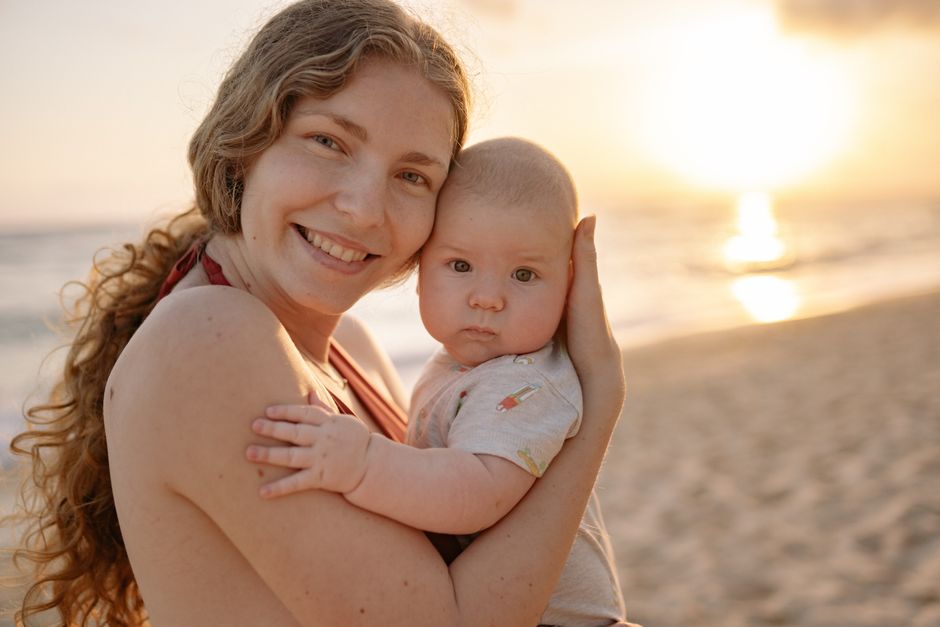
Do not make the first fit check at the trailhead. Test indoors with a second adult present, then repeat the process with the same clothing and pack you expect to use outside.
- Measure the real load. Put on the carrier with two water bottles, a rain layer, nappies, and snacks. A baby plus supplies can easily add 20-30 pounds to the adult’s load.
- Set the waistband first. Position the belt on the pelvis and tighten it until it stays in place without cutting into the stomach. The hips should carry most of the weight.
- Place the baby high. The baby’s head should be near the adult’s collarbone. The face must remain visible, and the chin must stay clear of the chest.
- Adjust the seat width. Support the thighs without pushing the knees down. The panel should not bunch behind the knees or force the legs straight.
- Walk for 20 minutes. Use stairs, turn corners, sit in a chair, and pick up a light object. Notice pressure points before you trust the carrier outdoors.
- Check after the nap. Sleeping changes the baby’s head position. Recheck the airway, neck support, legs, and adult posture after the child settles.
The mistakes that cause most discomfort
The common error is tightening the shoulder straps first. That lifts the carrier but leaves the waistband loose, so the adult carries the load with the neck and shoulders. Another mistake is wearing a thick jacket under the waistband, which reduces stability. Parents also tend to overpack the carrier and then blame the product for a sagging fit.
Use a short local route as the trial. A 45-minute walk near transport tells you more than a product description. If the baby repeatedly slumps, the adult develops numbness, or the carrier shifts when stepping down, do not extend the hike.
Bottom Line: A carrier earns its place on a trail only after it passes an indoor fit test, a 20-minute walking test, and a second airway check after sleep.
Why I Pick the Omni 360 for Hiking Infants
My pick for hiking with an infant is the Ergobaby Omni 360, preferably the breathable Omni Breeze version. The reason is not the marketing claim that one carrier does everything. The reason is control. Hiking parents need to adjust the seat, head support, shoulder straps, and waistband while the child grows and the route changes. The Omni 360 gives more carrying options than the Tula Explore and offers a useful hip position for short breaks or travel days.
It handles the awkward middle stage better
Newborns and young infants are not shaped like toddlers. Their legs are shorter, their heads need more support, and their bodies often sink when the carrier panel is too wide or too tall. The Omni 360 provides more adjustment points than a basic buckle carrier, which makes it easier to create a snug inward-facing fit. That does not remove the need for a proper fit check, but it lowers the chance of buying a carrier that works for a 10-pound baby and feels wrong at 16 pounds.
It is more useful beyond the trail
A family trip usually includes airports, museums, narrow streets, cafés, and public transport. The Omni 360 can move from front inward carrying to a later back-carry setup as the child develops. The hip position is useful for brief periods, though I would not use it for a full hike. That flexibility matters more than a small difference in list price because it may prevent a second purchase.
Its main weakness is heat and bulk
The carrier still adds structure and fabric around the adult’s torso. In hot weather, even the mesh version will feel warm during a climb. The shoulder straps can also feel bulky on a smaller adult, and the 7-pound minimum does not mean every newborn will fit perfectly on day one. For a tiny baby or a parent who dislikes structured carriers, a soft wrap or a professional fitting may be better.
Bottom Line: Choose the Omni 360 for an infant, shared use between adults, and mixed travel. Pay the listed price only when the fit is right; a discount does not fix poor positioning.
When the Tula Explore or a Framed Pack Wins
Who should choose the Tula Explore?
Choose the Baby Tula Explore when the waistband sits securely on your hips, you prefer its shoulder-strap shape, and the baby will spend most trips facing inward or riding on the back once older. Its 7-45-pound range and adjustable panel cover a long growth period, while the $199-$219 price is competitive with the Omni Breeze. Tula’s free fitting support and waistbelt extender are useful if several adults will share the carrier.
The Tula Explore is not a bad hiking carrier. It is simply less convincing when the main goal is long, steep walking with a very young infant. The forward-facing function is attractive for sightseeing, but an outward-facing baby has less privacy, more exposure to weather, and fewer opportunities for the adult to read early signs of fatigue.
When should you buy a framed carrier instead?
Move to a framed carrier after the child can sit upright independently and has good head control. The Deuter Kid Comfort weighs about 3,230 grams, carries a child up to 18 kilograms plus up to 4 kilograms of luggage, and lists around $330 in the United States. The Osprey Poco weighs about 3.48 kilograms, has a 24-liter volume, and includes a UPF 50 sunshade. These packs are heavier before the child climbs in, but their hip belts, torso adjustment, ventilation, and storage are better suited to long hikes.
When should you buy neither?
Do not buy either soft carrier for a technical route, an exposed ridge, or a hike where you may need to scramble with both hands. Do not choose based only on the 45-pound maximum. A child may technically fit while the adult feels unstable or the panel no longer supports the legs correctly. Renting or borrowing a carrier for one weekend can save a $180-$330 mistake.
Bottom Line: The Tula Explore is the better deal for a comfortable front-carry routine. A Deuter Kid Comfort or Osprey Poco is the better tool once the child can sit independently and the hike lasts several hours.
Final Cost Check and Bottom Line
The purchase price is only one part of the decision. A $190 carrier may need a rain cover, sun protection, a waistbelt extender, or a second carrier for another adult. Some retailers offer installment plans at 0% APR for a short promotional period, while ordinary credit-card purchases can carry roughly 20%-30% APR. That interest can add $20-$60 to a $200 purchase over several months, so pay the balance in full when possible. Shipping fees commonly range from $0 to $15, and sales can move either carrier below its normal list price.
This is not financial advice. It is a simple ownership-cost check: buy the carrier that fits the baby and adult now, and avoid paying for features that will not be used on your usual trips.
| Traveler profile | Best choice | Reason | Typical price |
|---|---|---|---|
| Young infant, mixed travel, shared between adults | Ergobaby Omni 360 or Omni Breeze | More adjustment and four carry positions | $180-$200 |
| Front-carry routine, Tula waistband fits better | Baby Tula Explore | Comfortable panel and simple three-position setup | $199-$219 |
| Independent sitter, long mountain hike | Deuter Kid Comfort | Framed load transfer, ventilation, and storage | About $330 |
| Independent sitter, larger day load | Osprey Poco | 3.48 kg pack weight, 24-liter volume, UPF 50 shade | Check current retail price |
For hiking with infants, the Ergobaby Omni 360 is the clear winner between these two carriers. The Baby Tula Explore remains a sensible choice when the fit is better for your body or the sale price is substantially lower. Once the baby can sit independently and your walks become longer, stop comparing soft carriers and move to a framed child carrier built for the trail.