
London History for Kids: A Short Walking Route
London can feel like one giant history lesson, but primary-age children do not need a full timeline in one day. This route uses six short stops, simple questions, and planned breaks so the city stays interesting instead of tiring.
Start with a route, not a list of dates
Why six stops is enough
Children remember places better when each one has a clear picture. A church can become the place where kings and queens were crowned. A square can become the place where a naval victory was celebrated. A fortress can become the building that changed from a royal home into a prison. That is more useful than asking a seven-year-old to remember ten monarchs in order.
The route also keeps each story short. Spend about 15 to 25 minutes at most outdoor stops, then move on before attention drops. The goal is not to see every room or read every plaque. The goal is to give the child six strong mental snapshots they can explain later.
The three-part route
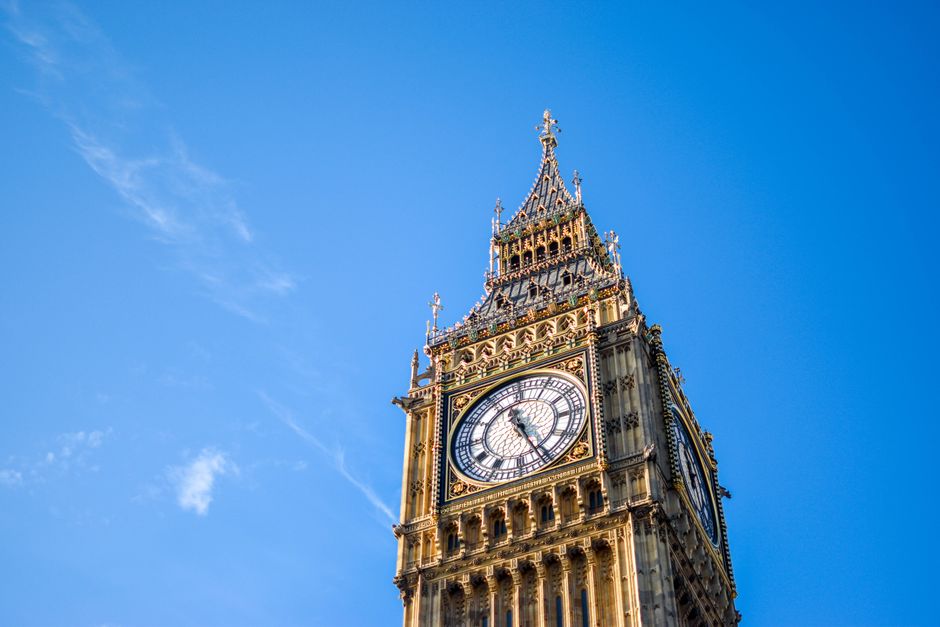
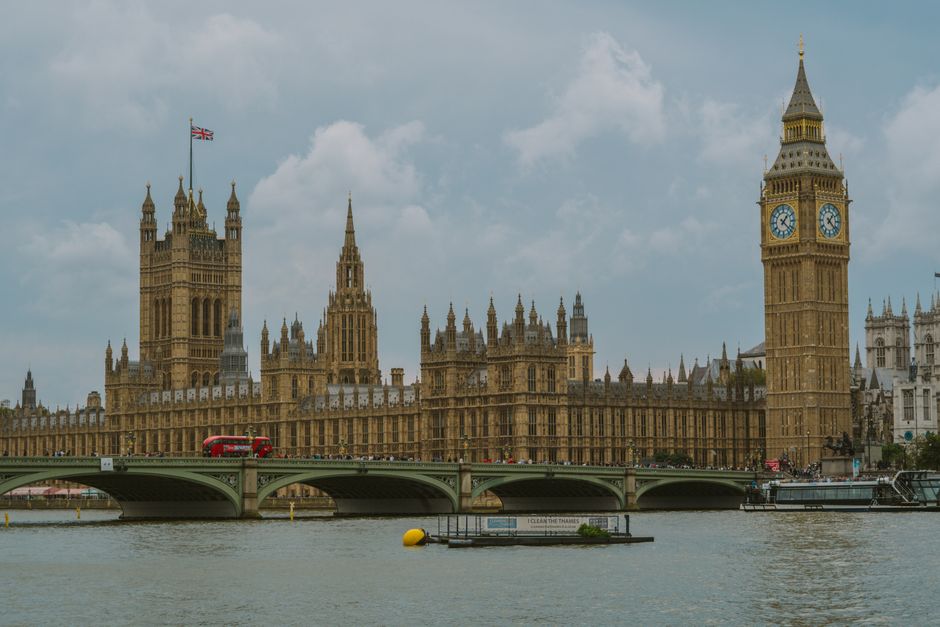
Begin in Westminster, where the Abbey and Parliament Square show how religion, royalty, and government grew around the same small area. Continue to Trafalgar Square through Whitehall for a story about war, power, and public space. Finish in the City of London with St Paul’s Cathedral and the Tower of London, using public transport between areas if legs are tired.
This is a child-sized history route, not a single long march. A family that walks every link will cover much more ground than a family that uses a bus or Underground train between Westminster, Trafalgar Square, and the City.
Which London history stops fit a child-sized day?
The table gives each stop one job. The times are planning estimates, not promises. Queues, school groups, weather, and a child who has spotted an interesting horse can change the day.
| Stop | Main story | Useful child task | Suggested time |
|---|---|---|---|
| Westminster Abbey | Coronations, royal burials, and more than 1,000 years of worship | Find a crown, a tomb, or a carved animal | 30 to 45 minutes |
| Parliament Square | Modern government beside old royal and religious buildings | Identify the building where debates take place | 15 to 20 minutes |
| Whitehall | Royal government, the Banqueting House, and Charles I’s execution in 1649 | Spot the guards and compare old stone with modern traffic | 20 to 30 minutes |
| Trafalgar Square | The 1805 Battle of Trafalgar and Admiral Nelson | Count the lions and look up at Nelson’s Column | 25 to 35 minutes |
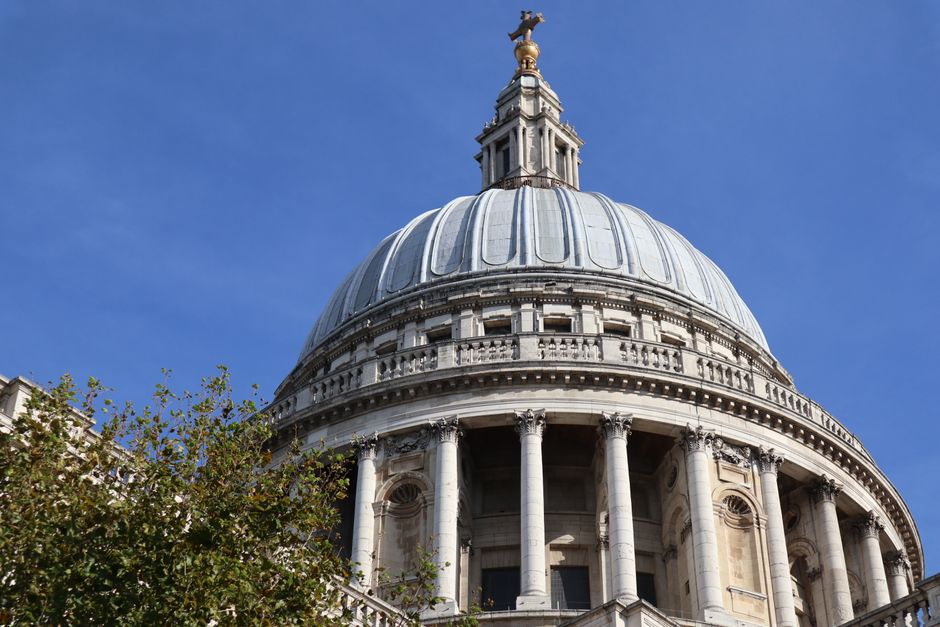
| St Paul’s Cathedral | Christopher Wren’s cathedral after the Great Fire of 1666 | Look for the dome and discuss why fire changes cities | 30 to 45 minutes |
| Tower of London | William the Conqueror’s fortress, royal palace, and prison | Choose one role for the building and defend it | 45 to 60 minutes |
How to read the timing
The total visit can last three to five hours once travel, toilets, food, and pauses are included. That is why the final two stops work better as a separate afternoon or second day for younger children. A family trying to force all six into one continuous walk will spend more time managing tiredness than enjoying the history.
The clearest stopping rule
Leave while the child still has one question left. If a child starts dragging behind, asking how much longer, or missing every detail, the useful part of the visit has ended. Cutting one stop is a better result than turning the whole day into a test of endurance.
London history for kids: three questions parents ask
Should we start with the Romans?
Not on a first short route. Roman London began around AD 43, but the most visible Roman remains sit mainly in the City, away from the easiest opening sequence. Start with Westminster because its buildings are dramatic and close together. Add Roman London on a later visit through the London Mithraeum, the Roman Wall, or the Museum of London Docklands if the child becomes curious about the earliest settlement.
How much walking is realistic?
For many primary-age children, two short walking areas are more realistic than one long city crossing. Westminster to Trafalgar Square is roughly one mile by a direct route, while Trafalgar Square to St Paul’s is around one and a half miles. The Tower adds more walking. Use transport between zones and save energy for looking, asking questions, and eating.
Which stop deserves the longest visit?
Choose the Tower of London if the child likes castles, rulers, prisons, or strange stories. Choose the Abbey if the child enjoys ceremony, famous people, and old buildings. Choose St Paul’s if the child likes buildings and engineering. Trafalgar Square is the strongest short outdoor stop because the column, lions, fountains, and open space create an immediate visual story.
How to turn each stop into a five-minute mission
A mission gives children something to do while adults explain the setting. Keep it answerable from what they can see. Do not turn every stop into a worksheet.
The five-minute pattern
Ask one question before arriving, give two facts on site, and let the child make one observation. For Westminster Abbey, ask who might be crowned there. At Trafalgar Square, ask why a huge column was built for one admiral. At the Tower, ask why a ruler would want thick walls beside the river.
Six missions that work
- Westminster Abbey: Find one royal tomb or memorial and decide what clue shows that the person mattered.
- Parliament Square: Point toward the Palace of Westminster and explain that people debate and vote there today.
- Whitehall: Compare the quiet stone of the Banqueting House with the busy road outside it.
- Trafalgar Square: Count the four lions, then explain why a victory might be remembered with a public monument.
- St Paul’s: Look at the dome and guess why a wide dome might help people see and hear inside.
- Tower of London: Pick one role for the building—palace, fortress, prison, or treasure house—and give one reason.
These tasks make the child an observer rather than a passenger. They also expose gaps in adult knowledge without making anyone feel tested. If nobody knows an answer, write the question down and check it later.
The strongest short route is Westminster to Trafalgar Square
My clear recommendation is to make Westminster to Trafalgar Square the main half-day route. It offers the best mix of grand buildings, open space, short distances, and stories that a primary-age child can repeat in their own words.
Why this route works
Westminster Abbey introduces ceremony and memory. Parliament Square shows that history is still active rather than locked in a museum. Whitehall adds a darker moment through the story of Charles I, while Trafalgar Square turns military history into something visible: a tall column, four lions, fountains, and a busy public gathering place.
The sequence also moves from enclosed spaces to open ones. That matters. A child who has spent 35 minutes looking at tombs may need room to run, watch buses, or eat a snack. Trafalgar Square gives the day a natural reset without abandoning the story.
The honest trade-off
This route is not the deepest possible history tour. It gives less attention to Roman London, working-class neighborhoods, immigration, and the city’s industrial past. That is a limitation, not a reason to reject it. The route is designed for a short attention span and a first visit, so it favors clear visual evidence over complete coverage.
Another mistake is treating every building as an indoor attraction. Entry prices, security checks, queues, and opening times can change the balance of the day. Check official visitor information before travelling in 2026, then choose one paid interior and keep the rest outdoors if the budget or energy is limited.
When to cut the route short
A successful family history day ends with a child still willing to tell one story. It does not require reaching every marked stop.
Common failure modes
- Trying to walk from Westminster to the Tower without a proper break.
- Explaining dates before the child has seen the building connected to them.
- Using every plaque as required reading.
- Booking too many indoor visits and leaving no space for food or play.
- Saving the most tiring stop for the end because it appears closest on the map.
The fix is simple: choose two main stops, one optional stop, and a firm exit point. If the child is tired after Westminster, finish at Trafalgar Square. If the weather is poor, replace outdoor explanations with one indoor visit and a short meal break.
Two better alternatives
For a castle-loving child, skip the long central walk and spend the day around the Tower of London, Tower Bridge, and the nearby Roman wall. For a child fascinated by fire, rebuilding, and architecture, choose St Paul’s Cathedral, the Monument, and a short walk toward Pudding Lane, where the Great Fire began in 1666.
That brings the opening problem to a useful answer. London history does not need to be shortened into a dull list. Choose six possible stops, visit two or three, and let the child leave with a story they can retell. The route has worked when the city feels larger, not when every landmark has been crossed off.