
London Museum Mornings With Kids Before the Meltdown
It is 11:35, your child has stopped looking at the dinosaurs, one glove is missing, and every quiet request now sounds like a personal attack. You still have half a museum left on your plan. That plan was the mistake.
January museum mornings work when you treat them as a short, timed outing rather than a full cultural campaign. Pick one building, arrive at opening, see one anchor exhibit, feed the child before hunger becomes drama, and leave while the visit still feels successful.
Which London museum is best for a January morning with kids?
The Natural History Museum is the best default choice for most families visiting London in January. It opens at 10:00, admission to the permanent galleries is free, and dinosaurs, fossils, animals, and the building itself give children something to notice quickly. You do not need to explain art history before your child has warmed up.
| Museum | Opening hours | Best for | Main risk | Verdict |
|---|---|---|---|---|
| Natural History Museum | Daily, 10:00–17:50 | Ages 4–10; dinosaurs and animals | Queues and a huge building | Best all-round morning |
| Science Museum | Daily, 10:00–18:00 | Ages 6–12; machines and hands-on displays | Interactive areas can need booking | Best for busy hands |
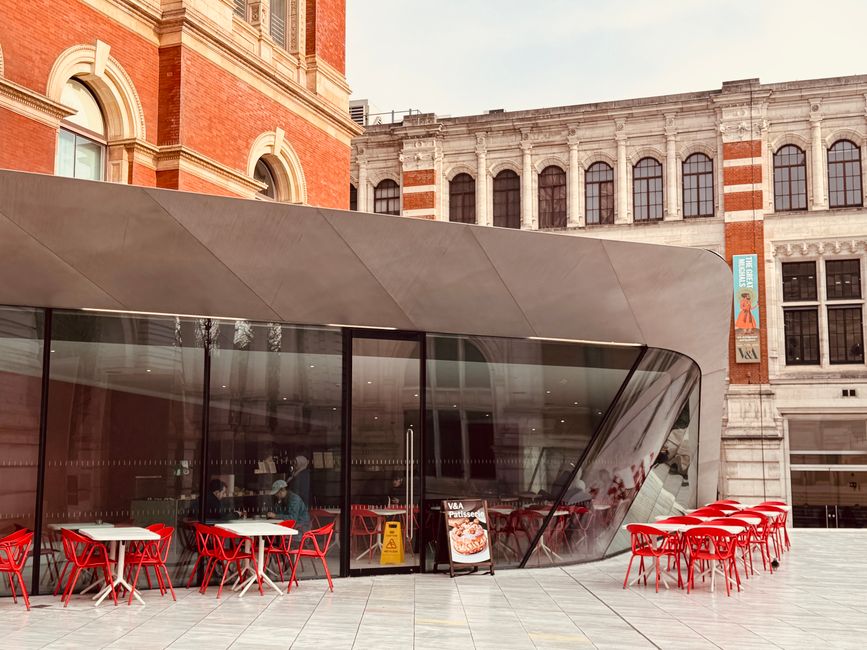
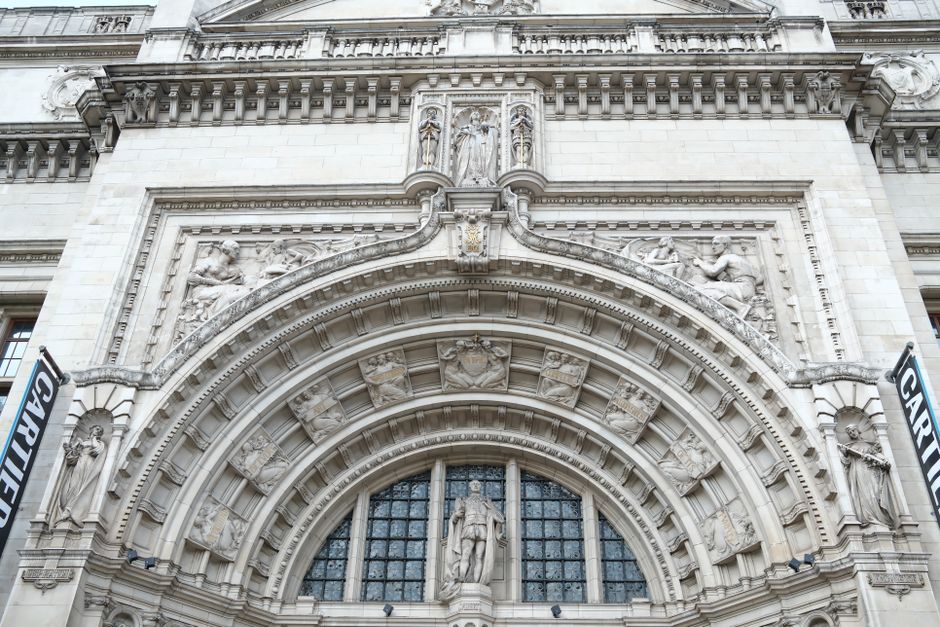
| V&A South Kensington | Daily, 10:00–17:45 | Ages 3–8; objects, design, and breaks | Too much choice | Best for a gentler visit |
| British Museum | Daily, 10:00–17:00 | Ages 8+; mummies and ancient history | Long distances between highlights | Best for older children |
Best default: Natural History Museum
Book the free entry ticket before you travel, then aim to be at the entrance for 9:45. The museum officially opens at 10:00, and entering near the start gives you a cleaner run at the dinosaur and fossil galleries. The museum also lists quiet spaces, toilets, cafes, and family facilities, which makes it easier to change the plan without crossing half of London.
Choose the Science Museum for a child who must touch everything
The Science Museum wins when your child learns through buttons, levers, moving parts, and questions that begin with “What happens if I…?” Choose one interactive area, such as Wonderlab, instead of promising the entire building. For a child who is already tired, the Natural History Museum is calmer to navigate. For a child who is restless but alert, the Science Museum is the better bet.
Why 10:00 beats a bigger museum plan
The 90-minute rule
Arriving at 10:00 matters because January days are cold, daylight is limited, and children often lose patience before adults realise the visit has become work; a 90-minute museum block gives you enough time for arrival, toilets, one main gallery, one small detour, and a snack without asking a tired child to perform interest for three straight hours.
The pre-lunch exit
Leave between 11:30 and 12:00, even if the child appears fine, because the first signs of trouble usually arrive as arguing over coats, repeated requests for the same snack, or sudden refusal to walk; a short morning that ends before the crash will be remembered as fun, while a longer visit that ends in tears will erase every good exhibit from the day.
Do not add a second museum because it is nearby. South Kensington makes that temptation especially strong: the Natural History Museum, Science Museum, and V&A sit close together, but “close” still means coats, pavements, crossings, toilets, and another entrance queue. The winning January plan is one museum and one warm indoor lunch nearby. The child does not need maximum culture; the child needs a clear sequence with a finish line.
How to plan a meltdown-resistant January museum morning
The museum is only half the problem. The other half is the gap between leaving the hotel and getting back somewhere warm. Plan that gap as carefully as the galleries.
Build the morning around the exit, not the exhibits
Start by checking the museum’s official opening page the night before. Look for temporary gallery closures, ticket requirements, entrance changes, and family facilities. January schedules can shift around school holidays, maintenance, and special events. The current published hours are useful, but they are not a guarantee that every gallery will be open.
Then choose the exit before you enter. At the Natural History Museum, decide whether you will leave through Cromwell Road, Exhibition Road, or Queen’s Gate based on the next stop. At the British Museum, do not wander until someone is desperate for lunch; choose the Great Russell Street or Montague Place route before the final gallery.
A simple morning timetable works better than a wish list:
| Time | Action | Reason |
|---|---|---|
| 08:30–09:00 | Breakfast and bathroom | Remove the first avoidable crisis |
| 09:00–09:45 | Travel to the museum | Leave margin for delays and coats |
| 09:45–10:00 | Queue, ticket check, toilets | Start inside without rushing |
| 10:00–10:45 | Main gallery or anchor exhibit | Use the child’s freshest attention |
| 10:45–11:15 | One short detour and snack | Reset before fatigue wins |
| 11:15–11:45 | Leave and begin lunch | Finish before the meltdown window |
Give the child one job
Do not turn the morning into a test of historical knowledge. Give the child one task: find three flying animals, choose the strangest object, spot something older than the pyramids, or pick the best machine. One job creates a reason to move through the gallery without demanding that the child admire everything.
Use a visible endpoint. Say, “We are finding one more dinosaur, then we get our snack,” rather than, “We will leave soon.” Children handle a concrete finish better than an adult’s vague promise. If the child completes the task early, leave early. That is a successful visit, not a failed itinerary.
What to pack—and what to leave at the hotel
Pack for warmth, hunger, and wet pavement. Do not pack for every theoretical emergency. A heavy bag makes museum corridors harder, and large bags can slow security checks or create cloakroom problems.
The only gear that earns its place
- A packable waterproof layer: The Quechua MH100 children’s waterproof jacket is a practical example: the 7–15 version is listed at £12.99 when checked, weighs about 155g in size 8–9, folds into its own pocket, and has a 5,000mm waterproof rating. Use the jacket you already own; the point is a light layer that can handle a wet walk between the station and the museum.
- A small child-sized bag: A 10-litre daypack, such as the Osprey Daylite Kids, is enough for a water bottle, spare socks, a snack, and the waterproof layer. The child can carry one soft item, but an adult should carry documents, medication, and anything fragile.
- Food the child can open: The Yumbox Original is built around six compartments, with five half-cup sections and a dip well. It is useful if you already have one, but buying a specialised lunchbox for one museum morning is unnecessary. A sandwich, banana, crackers, and a small treat in ordinary containers do the same job.
- One comfort item: Choose a small toy, scarf, or book. Leave the full travel entertainment kit behind. Museums already provide more visual input than most children need.
The mistakes that ruin the morning
- Do not arrive with a hungry child because you want to beat the queue. Feed breakfast before the final leg of the journey.
- Do not bring a scooter and assume every museum will store it. The V&A lists child scooters among items charged for at its luggage facilities, while other buildings may restrict large or wheeled items.
- Do not promise lunch inside the museum unless you have checked the cafe hours. A late-opening restaurant does not help a child who needs food at 11:20.
- Do not treat a waterproof jacket as a substitute for warm layers. January rain protection stops wetness; it does not create insulation.
The clear verdict: use ordinary gear, keep the bag light, and spend money only on a missing essential. The museum plan matters far more than the brand on the backpack.
When should you leave the museum?
How long should a museum visit with young children last?
For most children aged four to eight, plan 75 to 120 minutes inside. That includes toilets, coat adjustments, pauses, and the inevitable moment when a dinosaur becomes less interesting than a loose shoelace. Older children who already enjoy museums may manage two hours, but do not make two hours the target. The target is leaving with enough energy for lunch.
What if the child is already unraveling?
Leave. Do not bargain with one more gallery. Once the child is crying, shouting, hiding, or refusing every reasonable instruction, the educational part of the visit has ended. Find the nearest toilet, collect the coats, and move toward food or the hotel. A free admission ticket is not a contract.
Should you visit a second museum nearby?
No, not on the same January morning. Pick a second museum for another day, especially if the first visit is successful. The exception is a very short stop at the V&A after a planned South Kensington lunch, but only if the child asks to go in and everyone still has energy. Never add it because an adult feels the day needs more value.
That is how you avoid the opening scene: at 11:35, you are not dragging a cold, hungry child past one last gallery. You are already outside, eating lunch while the visit still feels like an adventure. The museum was shorter than planned, which is exactly why the morning worked.