
February Half-Term Packing: One Kids’ Bag That Closes
Can one child really pack for a February half-term in one bag and still close the zip? Yes, but only if the bag has a fixed job. It must carry the child’s travel layer, sleepwear, spare clothes, wash kit and a few quiet activities. It cannot also become the family’s coat cupboard, snack drawer and emergency storage box.
The trick is to pack by volume rather than by wish list. A child needs warmth, dry clothing and a way to pass time during delays. They do not need five jumpers, full-size toiletries or a separate outfit for every possible weather change. For a 2026 winter trip, the most reliable target is a structured bag between 15 and 20 litres, filled to about 80 percent of its usable space.
Why winter packing breaks the one-bag plan
Cold weather creates volume, not endless clothing needs
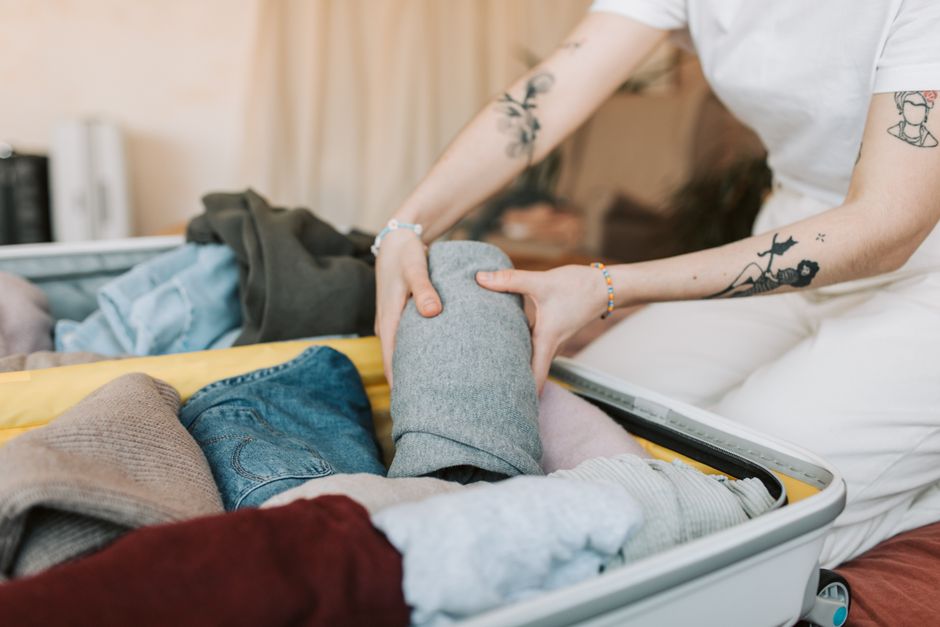
February packing fails because winter clothes are thick. The problem is usually cubic space rather than the number of outfits. A fleece can occupy three times the space of a cotton long-sleeve top, while a waterproof shell may take up more room than two pairs of leggings. That is why wearing the largest layers matters more than removing useful small items.
Use a three-layer system: a thin base layer, one warm middle layer and a weatherproof outer layer. The child wears the outer layer when travelling if conditions allow, removes it at the airport and clips or carries it rather than stuffing it into the bag. Pack one spare base layer and one spare bottom. Those cover spills, wet seats and muddy walks without turning the bag into a miniature wardrobe.
Choose fabrics that earn their space
Two pairs of thick denim jeans are a poor use of winter capacity. They dry slowly, feel stiff after travel and take up more space than lightweight trousers or leggings. Merino-blend or synthetic base layers also earn their place because they dry faster than heavy cotton. This does not mean buying a new technical wardrobe for a single trip. It means choosing the thinnest comfortable clothing already at home.
Shoes create another false sense of security. A second pair usually takes up more than four litres once packed, so the child should travel in the largest practical pair. Pack slippers only when the accommodation requires them. For most hotel and apartment stays, clean socks work just as well and occupy almost no extra space.
The mistakes that make the zip fail
- Packing a complete outfit for every day instead of planning a small wash or rewear cycle.
- Putting coats and waterproofs inside the bag when the child can wear or carry them.
- Adding adult-selected snacks after the bag has already reached its limit.
- Using hard pencil cases, rigid toiletry bags or bulky headphones with their original boxes.
- Leaving empty packaging, duplicate chargers and full-size toiletries inside the main compartment.
The strongest winter system has fewer large items and a clear plan for wet clothing. A thin reusable bag for damp socks or swimwear protects the clean clothes without taking much room.
Which kids’ travel bags can actually close?
Bag capacity figures are useful, but they do not tell the whole story. A soft 20-litre sack may hold more than a stiff 20-litre cabin backpack, while a small children’s bag may fit a child better but leave no room for a fleece. These are the practical options I would shortlist for a February half-term trip.
| Bag | Capacity and size | Weight | Listed UK price checked for 2026 | Best use |
|---|---|---|---|---|
| Cabin Max Metz 20L | 20L; 40 × 20 × 25cm | 0.5kg | About £16.95 | Under-seat travel with a full winter kit |
| Quechua Kids’ NH900 | 15L; designed for ages 7–15 | Not fixed across colours | About £24.99 | Child-sized daily travel and lighter packing |
| Osprey Daylite Jr | 9L | About 0.34kg | About £32 | Day trips, not a complete half-term bag |
| Forclaz Travel 20L Foldable | 20L; packable travel day bag | Lightweight foldable design | About £12.99 | Spare excursions and flexible overflow |
My clear pick for one main bag
For a child who can comfortably carry a medium backpack, the Cabin Max Metz 20L is the best main-bag choice because its 40 × 20 × 25cm shape gives winter clothing a useful rectangular space and matches common under-seat dimensions. Its low price also reduces the sting if it gets marked on a train or coach. The trade-off is fit: the bag may feel too broad or long for a small child, and a 20-litre capacity can encourage overpacking.
When the smaller bag wins
For a younger child, choose the Quechua Kids’ NH900 15L instead. Its smaller capacity creates a natural limit and makes the load easier to carry. It will not hold a large coat, spare shoes and several entertainment items, so the child must wear the warmest layer. The Osprey Daylite Jr 9L is a strong day-trip bag with a better child-sized feel, but it is not my pick for a complete February half-term packing list. The Forclaz Travel 20L Foldable works best as a light spare bag, not as the only bag for a child carrying winter clothes all day.
How to pack the bag so the zip closes first time
Use this order
- Put the softest clothing at the bottom: sleepwear, underwear and base layers.
- Fold the spare trousers or leggings into a flat rectangle and place them against the back panel.
- Add the wash kit in a small soft pouch so it can fill gaps instead of creating a hard lump.
- Place the warm middle layer near the top because it may be needed during travel.
- Keep the book, activity and comfort item in the front pocket or at the very top.
- Wear the largest shoes, coat and jumper. Do not pack them simply because the bag has space.
- Stop when the contents sit below the zip line. Do not use the zipper to compress the bag.
The ten-minute closure test
Pack the bag three days before departure and test it in the conditions that matter. Ask the child to open it, find the spare top, replace it and close the zip without help. Then weigh the bag. A child should not carry a load that makes them lean forward, struggle on stairs or complain within a few minutes. For many primary-school children, keeping the packed bag close to 10 percent of body weight is a sensible upper guide, but comfort and the child’s strength matter more than a neat number.
Walk around the house for ten minutes. If the straps slip, the back panel digs in or the bag swings when the child turns, remove weight before removing comfort. A lighter bag with one fewer activity is more useful than a full bag that ends up in an adult’s hands.
What to remove when the zip still strains
Remove duplicate entertainment first, then spare shoes, then the extra warm layer. Keep the spare underwear, medication, essential toiletries and one complete change of clothes. Those items solve real problems. A second puzzle book rarely does.
When is one bag the wrong plan?
Does one bag work for a week-long cold-weather stay?
It can work for a child who will have access to laundry and who travels in a coat and sturdy shoes. It becomes a poor plan when the trip includes skiing, daily outdoor activities or accommodation without drying space. Wet waterproofs and bulky boots need somewhere to go. In that case, one child-sized backpack plus shared family luggage is more practical than forcing every item into a small bag.
Should siblings share one large bag?
No. Sharing sounds efficient but removes responsibility and makes access difficult. One child ends up carrying the bag while the other asks an adult to find every item. Separate small bags work better because each child can manage their own clothes, snacks and entertainment. Adults can still keep passports, medicines and expensive electronics together.
When should you skip a dedicated kids’ travel bag?
Skip the purchase if the child already owns a comfortable school backpack with a washable base, chest strap and enough space for the planned load. A new bag will not solve overpacking. It may add another compartment that gets filled with things nobody needs. Test the existing bag using the 80 percent rule and the closure test first.
The one-bag idea works when it protects the child from carrying too much while giving them control over their own essentials. As children grow, the best travel bags will keep getting better at balancing airline limits, body fit and the messy reality of winter trips.