
Authentic Street Food In Thailand: Authentic Thai Street Food: How to Eat It Safely
You are standing beside a Bangkok soi, watching a vendor toss chicken, basil, garlic, and chillies into a smoking-hot wok. The queue is six people deep. A nearby stall has no menu in English, but locals keep ordering from it. You want the real Thailand, yet your family has a boat trip tomorrow. Is the meal worth the risk?
Yes, for most healthy travelers—if you choose food that cooks quickly and arrives hot. Authenticity does not require ignoring basic hygiene. The safest approach combines local curiosity with a few firm rules.
Is Thai street food safe for tourists?
Thai street food carries a real risk of foodborne illness, but the danger varies sharply from one dish and stall to another. The main problem is not spice. Contamination can happen when raw ingredients, dirty water, bare hands, warm food, and long holding times meet in a busy outdoor setting. The CDC’s Thailand guidance advises travelers to choose food cooked to order, avoid raw or undercooked items, and drink sealed or treated water.
| Street-food situation | Main concern | Safer choice | Verdict |
|---|---|---|---|
| Wok dish cooked after you order | Low holding time | Eat it steaming hot | Best everyday option |
| Raw seafood or oysters | Bacteria and temperature control | Choose grilled seafood instead | Skip it |
| Fruit cut hours earlier | Knife, hands, and warm storage | Peel a whole banana or orange yourself | Usually avoid |
| Busy noodle stall | Shared utensils and broth storage | Order a fresh bowl at peak time | Good with care |
Why busy stalls often make better choices
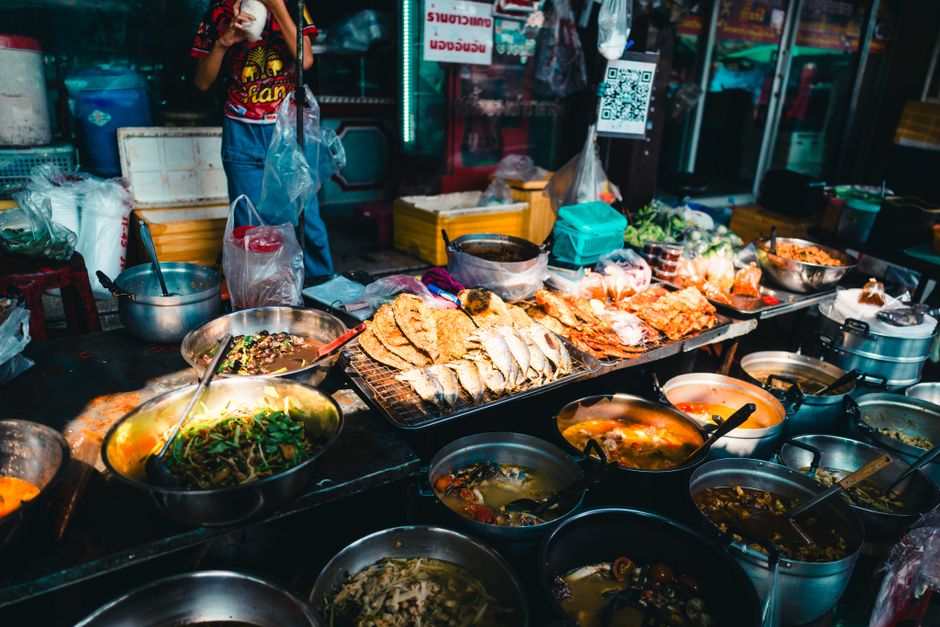
A long local queue usually means high turnover. Ingredients spend less time sitting in the heat, and the cook repeats the same process all day. That does not prove perfect hygiene, but it gives you useful evidence. A quiet stall with trays of cooked meat exposed beside traffic has a weaker safety profile than a crowded stall grilling each skewer as customers order.
What “hot” really means
Food should arrive visibly steaming or come straight from a hot grill, wok, or fryer. Warm food that has been sitting in a tray for an hour is not equivalent. The clear winner is a made-to-order dish served immediately, with clean-looking utensils and no raw garnish added afterward.
Is authentic food worth a stomach risk?
The short verdict
Authentic street food in Thailand is worth the risk for most healthy adults because the cultural and culinary value is high, the meals are inexpensive, and you can reduce many hazards through simple choices; pad kra pao, grilled chicken, fresh noodle soups, and roti cooked in front of you offer a better balance than raw seafood, lukewarm curries, or salads washed in uncertain water.
When the answer changes
For a pregnant traveler, a young child, an older adult, or anyone with a weakened immune system, the best decision is stricter: eat only food that arrives fully cooked and piping hot, use sealed drinks, and skip raw garnishes, unpeeled fruit, and foods held at room temperature; missing one famous salad is a small price compared with losing two days of a family holiday.
The trust test
A stall does not need polished branding to be safe, and a modern café does not guarantee a clean kitchen, so judge what you can see: rapid turnover, food cooked after ordering, covered ingredients, separate raw and cooked tools, and a vendor who handles money away from the final serving; if the process looks careless, walk to the next stall without guilt.
How do you choose a safer Thai street-food stall?
Use this quick check before sitting down. It takes less than five minutes and works in Bangkok, Chiang Mai, Phuket, and smaller towns.
A five-minute stall check
- Watch the queue. Choose a stall with steady local customers, especially during normal meal times. High turnover reduces the time cooked food spends warm and exposed.
- Watch the cooking point. Order items that go from raw ingredients to a hot wok, grill, or fryer after you pay. Avoid trays of meat that look dry, glossy, or tired.
- Check the serving surface. A clean work area matters more than decorative signs. Covered ingredients, a tidy cutting board, and separate tongs are good signs.
- Skip raw additions. Bean sprouts, herbs, shredded vegetables, and crushed ice can add risk if the stall cannot confirm how it washed or stored them. Add cooked chilli or sauce instead.
- Choose sealed drinks. Buy a bottle with an intact cap or a canned drink opened in front of you. The CDC recommends avoiding tap water and ice when water quality is uncertain.
- Eat at the stall. Food tastes better and stays safer when you eat it immediately. Carrying a hot meal around in a plastic bag for an hour removes much of the advantage of fresh cooking.
- Order one portion first. If the food arrives hot, smells fresh, and your group feels comfortable after eating, return for more. This is especially sensible on the first day of a trip.
The mistake that causes trouble
Many travelers focus on how clean a stall looks and ignore holding time. A shiny display of cooked seafood can be riskier than a plain cart that grills each piece to order. Temperature, turnover, and final cooking matter more than a perfect-looking sign.
Which Thai dishes carry the most food-safety risk?
The riskiest dishes share one feature: they need careful temperature control or clean water after cooking. That does not make them bad food. It makes them poor choices when you cannot see how the vendor stored or handled them.
Raw and lightly cooked seafood
Raw oysters, uncooked prawns, crab salads, and lightly seared fish deserve the most caution. Seafood spoils quickly in tropical heat, and lime juice does not reliably kill every harmful organism. Choose grilled prawns, fried fish, or seafood cooked in a bubbling curry instead. The flavor remains local, but the cooking step gives you a stronger safety margin.
Som tam and fresh salads
Som tam is one of Thailand’s great street foods, yet the raw ingredients create several possible contact points. Green papaya, long beans, tomatoes, garlic, peanuts, fermented fish, and the mortar may all be handled between orders. Ask for the salad without raw crab, and pick a busy vendor who makes each portion in front of you. For children or sensitive travelers, a hot noodle dish is the better first meal.
Curries, rice, and pre-cooked meat
Large pots of curry can be safe when they stay properly hot, but food that sits lukewarm for hours becomes a weaker bet. Cooked rice also needs careful storage. Choose a busy stall where the pot is visibly hot and customers receive fresh servings. Avoid fried chicken or pork that has been sitting uncovered since morning, even if the pieces look appetizing.
Spice is uncomfortable, but not the same as infection
Chilli can cause burning, cramps, or an urgent bathroom visit without food poisoning. Start with mild seasoning and ask for sauce on the side. If several people develop vomiting, watery diarrhea, fever, or severe cramps after the same meal, treat the episode as possible illness rather than blaming spice alone. Wash hands, drink safe fluids, and seek medical advice for blood in the stool, severe dehydration, persistent symptoms, or a sick child.
What should families do if street food causes illness?
How do you respond during the first few hours?
Stop eating solid food for a short period if nausea makes it difficult, then focus on small, frequent sips of safe fluid. An unopened Singha Drinking Water 600 ml bottle usually costs about 7–10 baht in convenience stores and makes a practical supply for a day bag. Water replaces fluid, but diarrhea also removes salts, so ask a Thai pharmacy for an oral rehydration salt packet and mix it exactly as the packet says.
Which drinks help, and which do not?
Pocari Sweat 350 ml often costs around 15–20 baht and can provide fluid and electrolytes, but it is not the same as medical oral rehydration solution. Sponsor Original 250 ml, commonly priced near 10–15 baht, is an energy drink, not a treatment for dehydration; its sugar and caffeine make it a poor substitute for ORS. Avoid alcohol, unsealed juice, and drinks with questionable ice while symptoms continue.
When should you stop managing it yourself?
Get professional help quickly if a child becomes unusually sleepy, cannot keep fluids down, urinates very little, has a dry mouth, develops blood in the stool, or shows signs of severe dehydration. Adults also need medical advice for high fever, intense abdominal pain, bloody diarrhea, or symptoms that do not improve. The World Health Organization recommends oral rehydration solution for diarrhea and medical care when dehydration or serious symptoms appear.
The final family rule
Do not let one bad meal turn into a blanket ban on Thai food. For the next meal, choose a busy restaurant or a stall cooking to order, use sealed drinks, and return to street food only when everyone feels well. The most important takeaway is simple: eat authentic Thai street food, but make heat, turnover, and sealed water your non-negotiable checks.