
Hidden Gems In Kyoto: 5 Hidden Corners of Kyoto Most Visitors Miss
The bamboo grove at Arashiyama looks exactly like the photographs. It also looks exactly like the photographs because roughly 20,000 people are taking them at the same moment you are. Kyoto’s most celebrated sites have, in many respects, become victims of their own documentation — photographed into algorithm-fed ubiquity and now permanently overcrowded before 9 a.m.
None of the following locations requires special permits or unusual access arrangements. These are public sites, reachable by standard transport, and currently quiet. That qualification is deliberate. Visitor numbers across Kyoto’s prefecture reached approximately 50 million in 2026. Quiet is a temporary condition, not a guarantee.
Otagi Nenbutsu-ji: The Temple That Rewards the Extra Walk
Most visitors to Arashiyama walk the main road between Tenryu-ji and the bamboo grove, then turn around. Otagi Nenbutsu-ji, a ten-minute uphill walk further into the Sagano hills, receives a fraction of that traffic despite containing one of the more unusual collections of stone sculpture in Japan.
The temple holds 1,200 rakan figures — stone representations of the Buddha’s disciples — each carved by a different volunteer contributor between 1981 and 1991. No two are identical. Some grin. Some look startled. Several wear expressions that, based on available photographic evidence, could reasonably be described as mischievous. Moss covers most of them now, which deepens the effect considerably. The overall impression is less shrine and more slow-growing forest installation.
Seasonal conditions at the temple
The grounds measure roughly 200 metres across. In autumn, fallen maple leaves collect around the stone bases. In winter, light snow sometimes settles on carved features. Both seasons produce the strongest visual conditions — though the site is worth visiting year-round simply for the absence of crowds. On weekday mornings, visitor numbers are typically well under fifty people at any given time.
Opening hours run 9 a.m. to 5 p.m. daily, with the gate closing at 4:30 p.m. Entry costs 500 yen per adult and 300 yen for children under junior high school age.
Getting there without joining a tour group
The most straightforward route from Kyoto Station: take the JR Sagano Line to Saga-Arashiyama Station, then walk northwest for approximately 25 minutes past Jojakko-ji Temple. No bus stops directly at the temple entrance. Taxis from Arashiyama’s main shopping area take roughly five minutes and typically cost 900–1,200 yen. The walk from Tenryu-ji’s north gate takes about 20 minutes on a quiet road — this option is preferable for those who benefit from understanding the surrounding geography before arriving somewhere unfamiliar. The uphill gradient is gentle enough that it should not pose difficulty for most visitors.
Jonangu Shrine: What Kyoto Looks Like Before Cherry Blossom Season
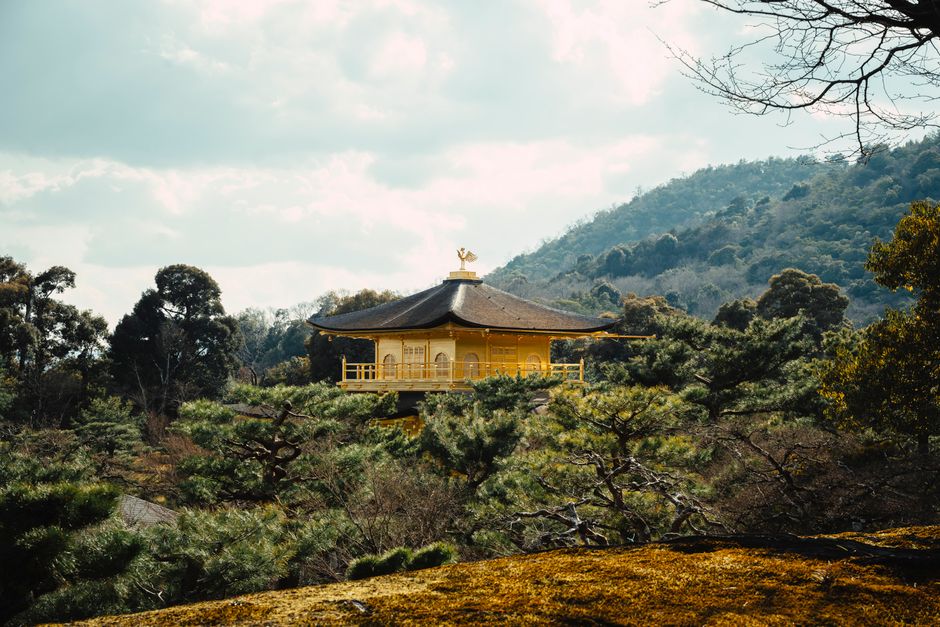
Jonangu Shrine sits in southern Kyoto near Fushimi, approximately four kilometres from Fushimi Inari. It was established during the Heian period as a directional shrine to protect the imperial palace from inauspicious influences — a concern that shaped considerable urban planning decisions during that era. Today it functions primarily as a horticultural destination of unusual quality, with a garden divided into five sections, each representing a distinct landscape chapter drawn from The Tale of Genji.
The garden contains approximately 150 plum trees. During late February and early March, before Kyoto’s cherry blossom season triggers its annual surge in visitor numbers, the early plum trees flower in near-total quiet. A Tuesday in late February typically sees a few hundred visitors for the entire day — a figure that contrasts sharply with the tens of thousands who pass through Maruyama Park during sakura season. The weeping plum specimens near the shrine’s inner garden, in particular, are considered by regular visitors to represent the most photographically rewarding of the seasonal displays.
Seasonal conditions at Jonangu — a direct comparison
| Season | Main Feature | Crowd Level | Garden Entry Fee |
|---|---|---|---|
| Late February – early March | Plum blossoms | Low | 1,000 yen (adult) |
| Late March – April | Weeping cherry blossoms | Moderate to high | 1,000 yen (adult) |
| May – September | Iris beds, summer greenery | Very low | 500 yen (adult) |
| November | Autumn foliage | Moderate | 1,000 yen (adult) |
The shrine is a 15-minute walk from Kintetsu-Tanbabashi Station, or reachable by Kyoto City Bus (routes 18 or 19 from Kyoto Station; alight at the Jonangu-Michi stop). The city bus option adds approximately 25–30 minutes to journey time but requires no train transfer.
The Upper Path at Fushimi Inari: Above Where the Crowds Stop
Every major Kyoto guide covers Fushimi Inari’s vermillion torii gates. Almost none note that roughly 90 percent of visitors turn back at the Yotsutsuji intersection, approximately halfway up the mountain, where a bench offers a partial view of the city to the west.
The path above that point is a categorically different experience. The torii thin out. The forest takes over. On a weekday morning, it is sometimes possible to walk for 20 minutes without encountering another visitor — a claim that would strike anyone who has seen the lower section’s queue at 10 a.m. as implausible, but which holds up consistently in practice.
The summit sits at 233 metres and takes between 45 minutes and 75 minutes from the main gate, depending on pace. The full circuit, descending via a different forested route back to the entrance, runs approximately two and a half hours. There is no entry fee. One practical note: the path above the third station becomes notably less maintained, and appropriate closed-toe footwear with grip makes a genuine difference. The number of visitors who attempt the upper trail in sandals is, based on consistent visitor reports, meaningfully higher than it probably should be.
The lower gates remain crowded regardless of arrival time. Come for the upper path specifically, not for the famous photogenic sections near the entrance.
Daikaku-ji Is Simply the Better Choice When Tenryu-ji Is Full
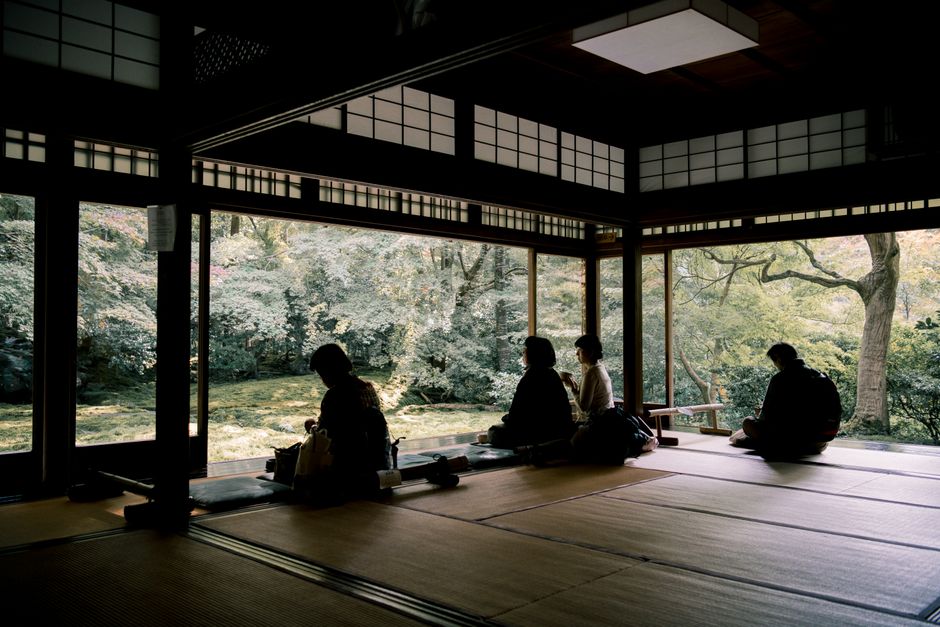
Daikaku-ji, a former imperial villa 1.2 kilometres from Tenryu-ji in the Sagano district, contains Osawa Pond — created in 868 CE and generally regarded as the oldest surviving formal garden pond in Japan. Admission covers both the temple buildings and the pond circuit walk. Adult entry costs 500 yen. If the Tenryu-ji queue already extends to the street when you arrive in Sagano, walk to Daikaku-ji instead. The architectural quality is comparable. The experience, on most mornings, is considerably better.
How to Visit All Five Without Wasting a Day to Backtracking
These five locations are spread across different districts of Kyoto. Visiting without a plan typically results in unnecessary transit loops. The circuit below works efficiently on public transport and reserves morning hours — the quietest window at most sites — as the primary visiting period.
- Begin at Fushimi Inari, aiming for the upper path by 7:30 a.m. The mountain is accessible before the majority of visitors arrive. The upper sections above Yotsutsuji are consistently least crowded before 9 a.m. on weekdays.
- Travel to Jonangu Shrine next. From Fushimi Inari Station, take the Kintetsu Line to Tanbabashi (approximately 12 minutes) and walk 15 minutes to the shrine. Aim to arrive by 10 a.m.
- Return to Kyoto Station, then take the JR Sagano Line to Saga-Arashiyama. The bus from Jonangu to Kyoto Station takes 25–30 minutes. The Sagano Line adds a further 16 minutes.
- Visit Daikaku-ji, then walk or take a short taxi to Otagi Nenbutsu-ji. Both are in the northwestern Sagano district, roughly 1.5 kilometres apart. Allow 45 minutes at Daikaku-ji and 45 minutes at Otagi Nenbutsu-ji. Both close at 5 p.m.; arriving by 3:30 p.m. provides adequate time at each.
- Add Kurama Village if time permits. The Eizan Railway runs from Demachiyanagi Station to Kurama Station in approximately 32 minutes. The village, with Kurama-dera Temple rising above it into the mountain, is busiest on weekends; a late weekday afternoon visit encounters markedly fewer visitors than most comparable sites in central Kyoto.
Quick reference for all five locations
| Location | District | Entry Fee (Adult) | Best Timing | Typical Crowd Level |
|---|---|---|---|---|
| Otagi Nenbutsu-ji | Sagano (NW) | 500 yen | Autumn or winter | Very low year-round |
| Jonangu Shrine garden | Fushimi (S) | 500–1,000 yen | Late February | Low to moderate |
| Fushimi Inari upper path | Fushimi (S) | Free | Weekday mornings | Low above Yotsutsuji |
| Daikaku-ji | Sagano (NW) | 500 yen | Spring or autumn | Low to moderate |
| Kurama Village / Kurama-dera | Northern Kyoto | 200 yen temple entry | Weekday afternoons | Low on weekdays |
A reasonable general observation: all five locations see noticeably higher visitor numbers between late March and early May, and again during the second half of November. Visiting outside those windows typically produces calmer conditions. Though that “quiet by Kyoto standards” remains a relative term — even the city’s less-visited corners are not empty. They are simply less full than everywhere else.