
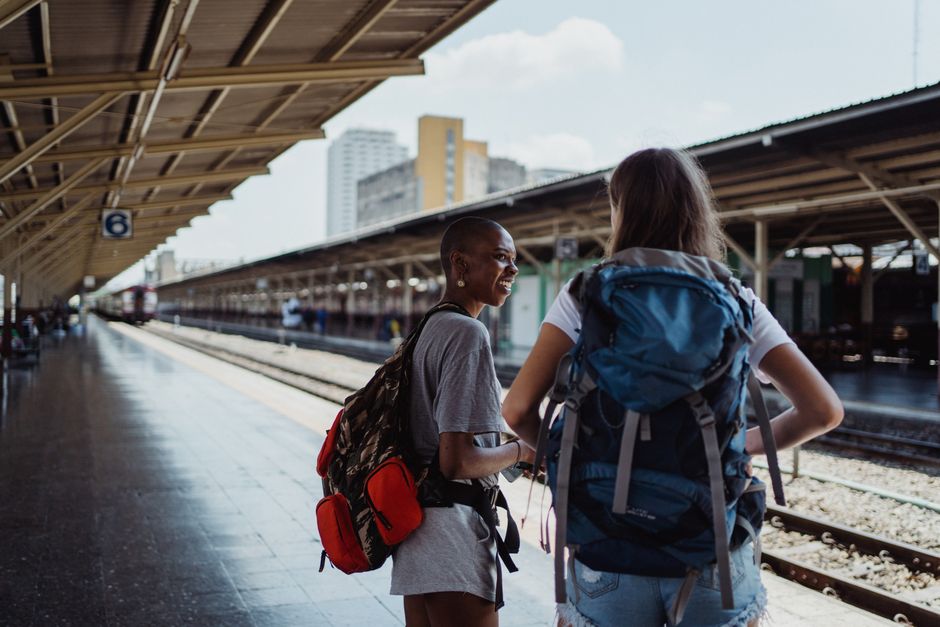
Backpacking Southeast Asia on a Budget in 2026: Real Costs
Is Southeast Asia Still Cheap in 2026?
The short answer
Yes, but the old image of Southeast Asia as a place where a few dollars cover everything no longer fits every route. A careful backpacker can still travel Vietnam, Laos, Cambodia, and parts of Thailand for about $35 to $55 per person per day, excluding international flights, insurance, visas, alcohol, and major tours; a private-room trip usually lands closer to $60 to $100. Prices rise sharply in Singapore, popular Thai islands, beach resorts, and cities during festivals, so the country name alone does not tell you what a trip will cost. My honest daily target for a first-time traveller is $45, with a separate emergency reserve of at least $300.
What changed
Accommodation has become the biggest difference. A clean dorm bed may still cost $7 to $15 in Vietnam or Laos, but a well-located private room can reach $30 to $60 in high-demand areas. Domestic flights also tempt travellers into expensive route changes, while overnight trains and buses remain useful when booked early. Food is still the strongest value: a local breakfast can cost $1 to $3, and a filling street-food meal often stays below $5. The trip remains affordable because daily basics are cheap, not because every travel choice is cheap. That distinction matters when you plan a route.
What Does a Backpacking Day Actually Cost?
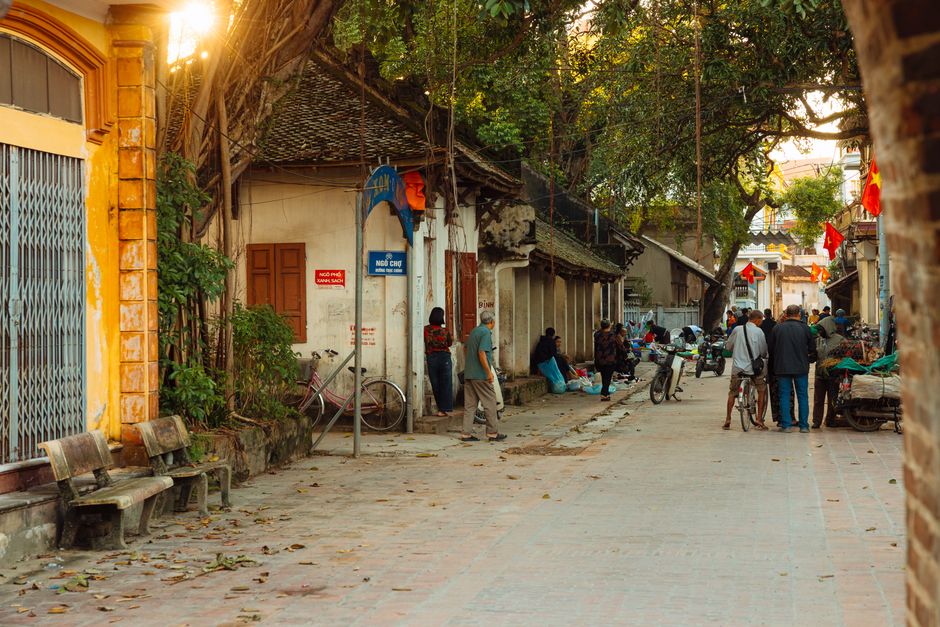
A realistic solo budget
The table uses a practical backpacker standard: a dorm or simple guesthouse, local meals, public transport or shared rides, and one paid activity every few days. It does not assume free accommodation, constant street food, or twelve-hour bus journeys.
| Cost category | Daily range | What that buys |
|---|---|---|
| Sleep | $8–$25 | Dorm bed or basic private room |
| Food and drinks | $10–$18 | Local meals, coffee, water, one snack |
| Transport | $3–$12 | City rides and a share of intercity travel |
| Activities | $5–$20 | Museums, temples, markets, or a low-cost tour |
| Buffer | $5–$10 | Laundry, fees, medicine, or price surprises |
| Total | $31–$85 | Most travellers should plan for $40–$55 |
How families change the maths
Families should not multiply a solo budget by four and stop there. One private room may cost less than four dorm beds, while taxis and food portions can become more efficient when shared. A family of four travelling simply through Vietnam or Thailand can aim for roughly $120 to $180 per day before flights and major excursions. The trade-off is less flexibility: late arrivals, long transfers, and cheap shared rooms become harder with young children. For a couple, $80 to $130 per day gives a more comfortable plan with private rooms and occasional taxis.
How to Build an Affordable Route
Use this six-step planning method
- Pick one region first. A Vietnam-to-Laos route costs less than flying between Bangkok, Bali, Singapore, and the Philippines.
- Choose a slow pace. Stay three nights in a place instead of paying for a new transfer every morning.
- Set a transport ceiling. Reserve no more than 15 percent of the trip budget for domestic flights.
- Book the first two nights. After that, compare direct hotel prices, local guesthouses, and reputable booking platforms.
- Keep one flexible week. This lets you stay longer in a cheap town instead of forcing an expensive island connection.
- Price the full route. Add baggage, station transfers, ferries, airport rides, and payment fees before calling a ticket cheap.
The best route shape
For value, I would build a north-to-south route rather than a country-hopping loop. Hanoi, Ninh Binh, Hue, Da Nang, and Ho Chi Minh City give you strong food and transport value, then you can add Phnom Penh or Siem Reap if the border crossing suits your schedule. A second option runs Chiang Mai to Luang Prabang and Vang Vieng, but the land journey takes longer than many maps suggest. The winning rule is simple: cross borders overland only when the journey adds a destination or saves a flight.
Which Countries Give You the Best Value?
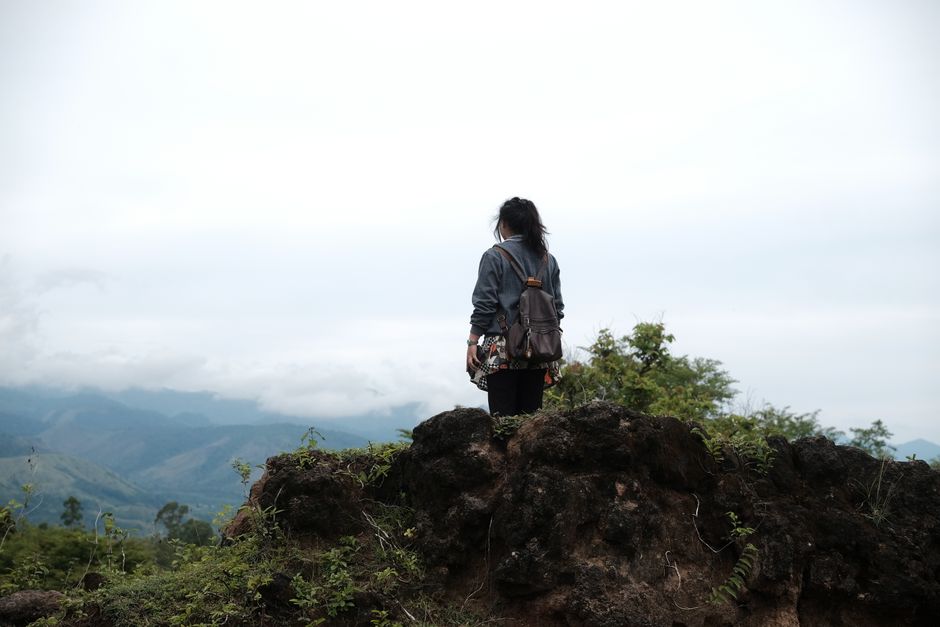
Vietnam wins for a first trip
Vietnam is my clear winner for most budget travellers because low food prices combine with a dense transport network and a wide range of accommodation. In Hanoi, a bowl of pho can cost $2 to $4, while a dorm bed often falls within the $8 to $15 range. Ninh Binh adds scenery without island-resort prices, and the overnight train can replace one hotel night if you sleep well on trains. Vietnam also gives families a useful middle ground: private rooms remain available, restaurants offer familiar food, and short taxi journeys rarely destroy the daily budget. The catch is distance. Trying to cover the whole country in ten days creates expensive flights and rushed transfers, so choose north or south and travel properly.
Laos and Cambodia reward slower travellers
Laos remains excellent for a quiet, low-cost trip, especially around Luang Prabang, Vang Vieng, and smaller Mekong towns. Its weakness is transport speed. A cheap bus can consume most of a day, and a private transfer may cancel the savings. Cambodia offers good-value guesthouses and food, but Angkor ticket costs change the daily average; budget several days of basic spending around that one major expense. Thailand is still affordable outside islands and luxury beach zones. Chiang Mai and northern towns deliver better value than Phuket or Koh Samui. Malaysia offers clean transport and reliable rooms, but it usually costs more than Vietnam or Laos. My country verdict is Vietnam for overall value, Laos for slow travel, Cambodia for history, and Thailand for the easiest first backpacking experience.
What Quietly Breaks a Backpacking Budget?
My strongest warning
Transport is the budget killer, not the extra plate of noodles. Travellers often save $5 on a room, then spend $45 on a last-minute flight because the itinerary has too many stops. A second mistake involves cheap accommodation in the wrong district. If every meal requires a taxi and every attraction sits an hour away, the low room rate loses its value. Check the map, the arrival time, and the last transport option before booking.
Gear can create a false saving
You do not need a specialist expedition kit. The Osprey Farpoint 40 costs $200 and works well as a structured carry-on pack, but it makes little sense if your entire trip budget is $1,000. The Simond MT500 Air 50+10 from Decathlon lists at $169 and appeared at $115 on sale; its 50+10-litre capacity suits heavier loads, but the larger size can create airline baggage fees. For a hot-weather route, spend first on a comfortable pack, breathable clothing, and a basic 10,000mAh power bank such as the Anker 323, which commonly sits near $25. Do not buy cold-weather gear for a southern beach itinerary. A cheaper pack with fewer features wins when you travel light.
The Questions That Change the Answer
Can I travel for $30 a day?
Yes, for short stretches in Vietnam or Laos, if you use dorms, eat local food, walk often, and avoid paid tours. I would not set $30 as the full-trip target because one bad transfer, illness, or private room can erase several days of savings. Treat it as a lean operating rate, not a safe total budget.
Are islands still affordable?
Some are, but the ferry and room often cost more than the mainland equivalent. Choose one island, stay at least four nights, and avoid moving during weekends or public holidays. For a value-focused trip, I would choose northern Thailand or Vietnam’s coast before building a route around several Thai islands.
Should I use an eSIM?
For a multi-country trip, an eSIM can save time and reduce airport markups, but compare the total data cost with a local SIM. Airalo’s regional Asia plans and Nomad’s APAC plans are convenient starting points, while a local Vietnamese or Thai SIM often gives better value for a long stay in one country. Buy convenience when it prevents an expensive mistake; do not pay a premium for data you will barely use.
My 2026 Budget Verdict
The number I would actually save
For a 14-day solo trip through Vietnam with simple rooms, local meals, trains, buses, and two paid experiences, I would save $750 to $950 before international flights. A lean traveller may spend less, but the higher figure protects against rising room prices and awkward transport days. For two people sharing private rooms, $1,400 to $1,900 is a sensible combined target. Add insurance, visa charges where required, airport transfers, and a $300 emergency reserve. That budget feels realistic because it leaves room for comfort without turning every decision into a spreadsheet.
Final comparison
| Travel style | Daily target | Best fit |
|---|---|---|
| Lean backpacker | $30–$40 | Vietnam or Laos, dorms, slow route |
| Comfortable solo trip | $40–$55 | Mixed rooms, local food, regular activities |
| Couple sharing rooms | $80–$130 | Vietnam, Thailand, or Cambodia |
| Family of four | $120–$180 | Private rooms, short transfers, fewer stops |
So, is backpacking Southeast Asia still affordable in 2026? Yes. Vietnam gives the strongest overall value, Laos rewards patience, and Thailand stays practical when you avoid premium islands. The affordable version is not the one with the lowest price on every booking. It is the route with fewer rushed transfers, enough time in each place, and a budget that includes the costs people usually forget.