
Bangkok Street Food Markets: A First-Timer’s Eating Plan
You arrive in Bangkok hungry, hot, and faced with fifty food stalls selling dishes you cannot yet name. The safest way to enjoy the city is to treat a market like a tasting route: choose a busy area, order small portions, watch how each stall works, and leave room for the next smell.
Where Should a First-Timer Start in Bangkok?
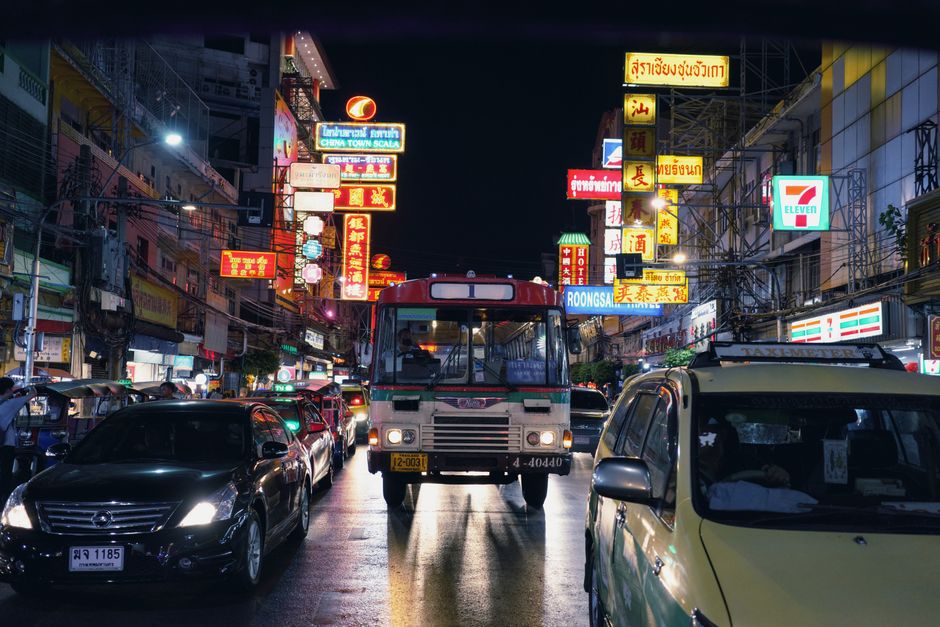
Start with Yaowarat Road after 5pm if you want the biggest choice in one walkable area. Bangkok’s Chinatown has noodles, grilled seafood, Thai-Chinese snacks, fruit, desserts, and long-running stalls packed along the main road and nearby lanes. It is lively, easy to reach by MRT Wat Mangkon, and forgiving if your first order is not perfect because another stall is usually close by.
| Market | Best time | What to eat | Best for |
|---|---|---|---|
| Yaowarat Road | 5pm–10pm | Kuay jab, oyster omelette, grilled seafood | First-time variety |
| Or Tor Kor Market | 8am–4pm | Fruit, curry, prepared meals, desserts | Daytime grazing |
| Wang Lang Market | 10am–5pm | Southern Thai food, snacks, sweets | Local lunch atmosphere |
| Nang Loeng Market | 10am–3pm | Classic cooked dishes and old-style desserts | Quiet traditional food |
Or Tor Kor is the better daytime choice for travelers who dislike crowds and want clearer displays. Wang Lang feels more local and works well after visiting the Grand Palace or crossing the river. Nang Loeng is smaller and less suitable for a late-night crawl, but its daytime food gives you a calmer view of Bangkok cooking. The Tourism Authority of Thailand also lists Nang Loeng as a historic Bangkok market, which makes it a useful stop for travelers interested in food and local history.
What Thai Street Food Should You Order First?
Do not begin with the most frightening dish on the menu. Build confidence with familiar textures, then add sharper spice, fermented flavors, or unfamiliar ingredients.
- Pad kra pao: Stir-fried minced pork or chicken with holy basil, rice, and often a fried egg. Expect about 60–90 baht. Ask for a fried egg if the stall does not add one automatically.
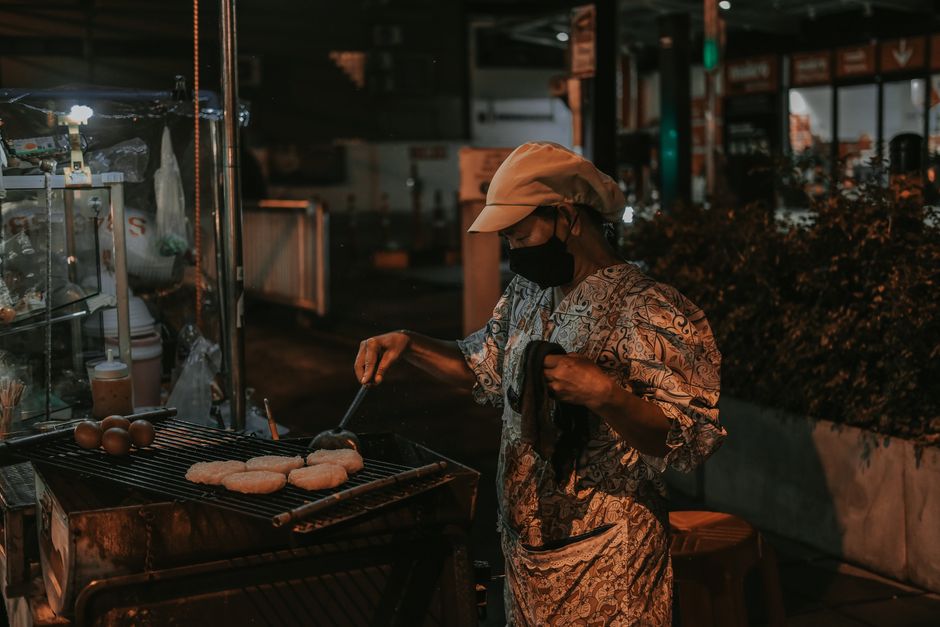
- Moo ping: Two or three grilled pork skewers with sticky rice usually cost 30–60 baht. They are sweet, smoky, portable, and a strong breakfast or snack choice.
- Kuay jab: Rolled rice noodles in peppery broth with pork and crispy pork belly. A bowl is commonly 60–100 baht in Yaowarat. The pepper is more noticeable than the chilli.
- Pad Thai: The famous noodle dish is often sweeter and less spicy than visitors expect. Thip Samai’s pad thai is a well-known Bangkok version, usually around 80–120 baht depending on the order.
- Som tam: Green papaya salad arrives crisp, sour, salty, sweet, and hot. Say mai phet for not spicy, or phet nit noi for a little spicy. A plate normally costs 50–80 baht.
- Mango sticky rice: Finish with warm coconut rice and ripe mango. Kor Panich is a famous specialist, with portions often priced around 100–150 baht, while market stalls can cost less.
Order one dish at a time instead of buying a full meal from the first stall. That gives you a chance to compare broth, smoke, sweetness, and chilli without wasting food. For a drink, ChaTraMue Thai tea commonly costs about 35–45 baht at its shops, while a street-cart cha yen may be cheaper. The best first plate is the one you will actually finish.
How Do You Spot a Good Bangkok Food Stall?
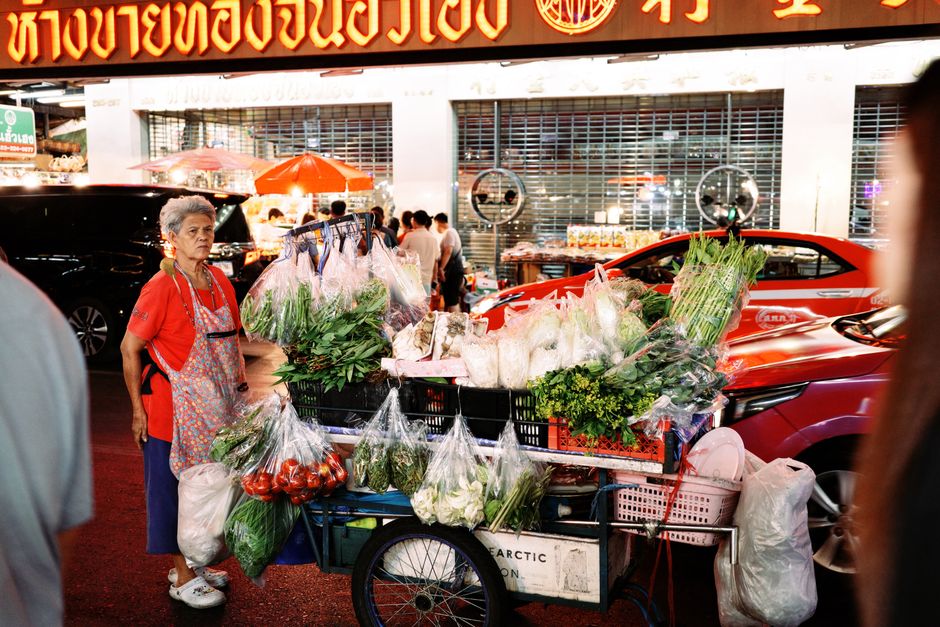
A busy stall with food cooked in front of you is the clearest first-visit signal: high turnover means ingredients spend less time sitting in the heat, and a visible wok lets you see that the order is cooked fresh. Look for clean utensils, separate raw and cooked ingredients, covered drinking water, and a vendor who handles money away from the final serving when possible. Avoid a seafood tray that sits warm and untouched, fruit cut hours earlier and displayed in direct sun, or a stall where cooked food has no visible customers. A queue can mean quality, but it can also mean a social-media rush, so watch the plates leaving the kitchen instead of counting people. The strongest verdict is simple: choose the stall with steady local traffic, fast cooking, and ingredients that look fresh, even if the sign is plain and the seating is only a plastic stool.
How Much Does Bangkok Street Food Cost?
Prices vary most by location, portion size, and the amount of seafood or premium fruit in the dish. A first-time visitor can eat well for 400–700 baht in one day, excluding transport, if they mix small snacks with one or two full meals. Tourist-heavy roads can charge 30–50 percent more than neighborhood markets, so use the range below as a planning tool rather than a promise.
A realistic one-person budget
| Food stop | Typical cost | What that covers |
|---|---|---|
| Breakfast | 50–100 baht | Moo ping, rice, or noodle soup |
| Market lunch | 80–160 baht | Main dish plus water or tea |
| Afternoon snack | 30–100 baht | Fruit, pancakes, or a dessert |
| Evening tasting route | 180–350 baht | Two small dishes, a drink, and dessert |
How to pay without stress
Carry 20-, 50-, and 100-baht notes, plus small coins. Many stalls accept cash only, and vendors may not have change for a 1,000-baht note. Point at the food, confirm the quantity with your fingers, and keep your wallet away while you eat. A basic meal should not require a negotiation, but checking the price before ordering is sensible for prawns, crab, large fruit boxes, and anything sold by weight.
Which Bangkok Market Fits Your Evening?
Yaowarat is my clear pick for a first evening because it gives you the most useful lesson in Bangkok food culture in the shortest time. You can compare Thai, Chinese-Thai, and seafood traditions without crossing the city, and the neon-lit streets create a memorable travel setting.
Choose Yaowarat for variety
Go here for Nai Ek-style peppery rolled noodles, oyster omelettes, grilled prawns, charcoal-toasted buns, and mango sticky rice. Arrive around 5pm to walk before the heaviest crowds, then eat in small portions. A bottle of water and two savoury dishes usually keep the first stop near 200–300 baht.
Choose Or Tor Kor for a daytime food lesson
Or Tor Kor is the better choice for travelers who want neat displays, excellent fruit, prepared curries, and space to inspect ingredients. It is less theatrical than Yaowarat but easier for families, older travelers, and anyone who wants to sit down between tastings. Expect to spend 150–300 baht for a substantial lunch and a dessert.
Choose Wang Lang for a more local-feeling route
Wang Lang works best after a river crossing or a visit to Siriraj. Its narrow lanes reward slow browsing, especially for southern Thai dishes and sweets. The tradeoff is less English signage and a smaller late-evening scene. For a first visit, Yaowarat wins; for a second food day, Wang Lang has more surprise.
What Can Go Wrong at a Bangkok Food Market?
What if the food is too spicy?
Say mai phet before the vendor starts cooking. If a dish still burns, order plain rice, coconut water, or a mild dessert. Water spreads the sensation instead of removing the chilli, so it is not the best rescue.
What if you cannot read the menu?
Use photos, point to a serving leaving the kitchen, or ask for one portion first. A translation app helps with ingredients, but it may miss regional names. Learning khop khun khrap or khop khun kha is enough to make the exchange friendly.
What if you feel ill?
Stop eating, drink sealed water, and rest somewhere cool. Seek medical help for severe pain, repeated vomiting, blood, confusion, or signs of dehydration. Do not blame every illness on street food; heat, alcohol, rich meals, and unfamiliar spice can also upset a traveler.
How Can You Plan One Great Bangkok Food Day?
The best food day has a rhythm, not a checklist. Begin with a light breakfast near your hotel, when the air is cooler and vendors are serving food at high turnover. Moo ping with sticky rice, rice porridge, or a small bowl of noodles gives you enough energy for walking without using up your appetite. Carry tissues, hand sanitizer, a reusable spoon if you prefer one, and a small amount of cash in an easy-to-reach pocket. Wear shoes that can handle wet pavement, and avoid a tight schedule that forces you to rush from one market to the next.
Morning: choose one calm market
Visit Or Tor Kor or Nang Loeng between 9am and noon. Walk around once before buying anything. Notice which stalls have customers, which dishes are being cooked continuously, and which foods are protected from dust and sun. Buy one savoury plate, one fruit portion, and one dessert. This first stop teaches you how portions and prices work before the evening crowds arrive.
Afternoon: rest before you eat again
Bangkok heat can make a normal serving feel enormous. Take a break in an air-conditioned café, hotel, or shopping centre, and drink water. If you are traveling with children, this pause matters more than squeezing in another market. Save your appetite for the evening instead of treating every stall as a challenge.
Evening: graze through Yaowarat
Reach Wat Mangkon around 5pm and walk toward Yaowarat Road. Start with a small savoury dish, wait a few minutes, then choose a second stall based on what locals are ordering. Keep seafood until you have checked that the stall is busy and the food is cooked at high heat. Finish with mango sticky rice or a toasted bun rather than another heavy plate. This route leaves room for discovery, which is the real pleasure of Bangkok’s markets. As Bangkok’s food neighborhoods keep changing, travelers who learn how to read a market will keep finding worthwhile dishes beyond the famous streets.