
Patagonia Multi-Day Hiking Routes: Gear and Planning Guide
The single most important decision you’ll make before arriving in Patagonia isn’t about gear. It’s about which route to book — and booking it before you think you need to.
Patagonia’s flagship hiking corridors in Torres del Paine (Chile) and El Chaltén (Argentina) attract hundreds of thousands of visitors annually. Refugio beds and campsites typically sell out six to twelve months before peak season, which runs November through February. First-timers who research gear first and logistics second often arrive to find no legal campsite availability on their preferred dates. That’s the mistake worth preventing first.
This article covers logistics and gear selection for established hiking routes. For technical mountaineering or advice specific to altitude-related health conditions, consult a certified guide or travel medicine professional before your trip.
Route Selection: W Trek, O Circuit, or El Chaltén?
Three routes dominate first-timer conversations. Each suits a different fitness level, budget, and schedule. Here’s how they compare on the factors that actually determine which one you should book:
| Route | Duration | Distance | Difficulty | Permits Required | Best For |
|---|---|---|---|---|---|
| W Trek (Torres del Paine) | 4–5 days | ~80 km | Moderate | CONAF park entry + refugio/campsite booking | True first-timers, families with older teens |
| O Circuit (Torres del Paine) | 8–10 days | ~130 km | Moderate–Hard | CONAF + campsites (fewer refugio options) | Experienced backpackers wanting solitude |
| Fitz Roy / El Chaltén | 2–5 days | Variable | Moderate | Free park entry, no campsite booking required | Spontaneous travelers, Argentina-focused itineraries |
The W Trek is typically the right starting point for most people. The trail is well-marked, refugios provide meals and bedding if you don’t want to carry camping gear, and the four iconic viewpoints — Torres Base, Valle del Francés, Grey Glacier, and Mirador Condor — are all accessible within five days without technical skills.
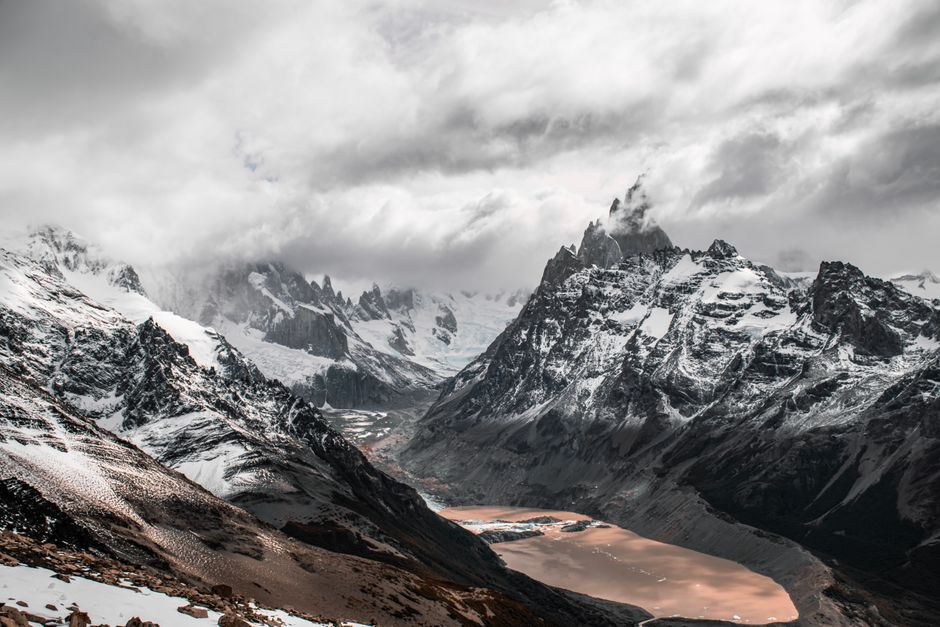
El Chaltén is worth noting separately because it requires no advance campsite reservation as of 2026. If your travel dates are uncertain or you want flexibility, the Argentine side around Laguna de los Tres and Laguna Torre offers comparable scenery with far less logistical pressure. Walk in, collect a free permit at the park office, and go.
Rain Gear Is the One Non-Negotiable
Buy the best waterproof-breathable jacket you can afford before anything else on the gear list.
Patagonia’s weather patterns are unlike most hiking destinations. Wind gusts of 80–100 km/h are common on the exposed ridgelines. Rain appears and disappears four times in a single hour. Wet cold combined with sustained wind creates rapid heat loss even in January — southern hemisphere midsummer. Hikers who cut corners on rain protection generally have a miserable time; hikers who get this right find that everything else is manageable.
The Arc’teryx Beta AR (~$600 USD) is the standard recommendation among experienced Patagonia hikers for specific reasons. Its GORE-TEX Pro construction seals at the seams, the underarm pit zips vent without delaminating after a full season of use, and the helmet-compatible hood cinches tight enough to stay on in sustained high wind. That price is difficult to justify on a single trip, but most people who spend two weeks in Torres del Paine wear it every single day.
If $600 isn’t realistic, the Patagonia Torrentshell 3L (~$179) performs adequately for the W Trek’s lower-elevation terrain. It won’t breathe as well on sustained climbs, but it keeps you dry in rain and cuts wind effectively. A reasonable starting point for someone who hikes fewer than ten days per year.
Why water-resistant jackets fail here
DWR-coated single-layer jackets — the type sold at most high-street outdoor retailers — typically saturate within thirty to forty minutes of sustained rain. Patagonia regularly delivers rainfall lasting four to six hours. A soaked mid-layer in 8°C wind is a medical problem, not a comfort problem. The jacket must be a true 2.5L or 3L waterproof construction.
Trousers are underrated on packing lists
Most hikers skip waterproof trousers to save weight and regret it by day two. The Montane Minimus Pants (~$130) weigh 200 grams and pack to the size of an apple. They earn their space.
Booking Campsites and Refugios: How the System Works
Torres del Paine operates two separate booking systems. Understanding which operator controls which site prevents booking errors that leave you without a legal sleeping spot.
- Fantastico Sur operates the refugios and campsites on the eastern arm of the W: Chileno, Las Torres, and Central (Cuernos). Book at fantasticosur.com. This section typically books out fastest — often by March for the following November–February season.
- Vertice Patagonia controls Paine Grande, Grey, and Dickson. Book at verticepatagonia.com separately. There is no combined booking platform across both operators.
- CONAF park entry must be purchased additionally at conaf.cl or at the park entrance. As of 2026, foreign visitors pay approximately $35 USD for a five-day pass.
A common booking error is purchasing dates on both platforms without first mapping the full route, then discovering that intermediate camps in your planned direction have sold out — forcing a backtrack or an unplanned double-stage day. Map your itinerary in full before making any bookings, then book both operators simultaneously.
El Chaltén operates differently. Parque Nacional Los Glaciares in Argentina provides free permits at the park office on arrival, and established campsites along the Fitz Roy route run first-come, first-served. No advance booking, no separate operators.
Footwear Verdict
Get a waterproof trail shoe or light hiking boot — not a heavy mountaineering boot. The Salomon X Ultra 4 GTX (~$160) handles every section of the W Trek, dries faster than leather after creek crossings, and weighs half as much as traditional ankle boots. If you’re adding the O Circuit’s rougher back sections, step up to the La Sportiva TX5 GTX (~$230). Heavy leather boots are not wrong — just unnecessary weight for these trails.
Pack Weight: Three Questions Worth Settling Before You Buy
Do you need to carry a tent?
No, if you book refugios. Yes, if you camp. Refugio dormitory beds typically include bedding and two meals; carrying your own shelter and food adds 4–6 kg to your pack. For a first-timer doing the W Trek, refugio bookings cost more — roughly $100–$150 USD per night with meals — but dramatically reduce pack weight and daily decision-making.
What sleeping bag rating do you actually need?
For refugio use: none required, bedding is provided. For camping: a bag rated to 0°C comfort is typically sufficient for November–February conditions. The Sea to Summit Spark SP1 (~$280, rated -1°C comfort, 540 grams) hits the right balance of warmth and packability. Bags rated to -10°C or colder are overkill for summer hiking on established campsites and add unnecessary weight you’ll feel by hour three.
Water filtration or tablets?
Streams in Torres del Paine are generally considered clean, and refugios provide tap water. For camping, the Sawyer Squeeze (~$35) is lighter and cheaper than gravity filters for solo hikers. The Platypus GravityWorks (~$90) suits groups of three or more and filters four litres in about four minutes.
What the W Trek Looks Like Day by Day
Most hikers walk east to west — Las Torres to Paine Grande — to see the Towers on day one when legs are fresh. West to east is equally valid and sometimes has better campsite availability in shoulder months.
| Day | Section | Distance | Elevation Gain | Key Note |
|---|---|---|---|---|
| 1 | Las Torres trailhead → Mirador Base Torres → return | ~18 km return | ~800 m | Steep final 45 minutes on loose scree. Start before 7am to beat crowds at the viewpoint. |
| 2 | Las Torres → Cuernos / Valle del Francés | ~20 km | ~400 m | Longer valley walk, relatively flat. The Francés detour adds 3 hours and is worth every minute. |
| 3 | Valle del Francés → Paine Grande | ~11 km | ~200 m | Shortest walking day. Reserve the afternoon for rest — the final day is long. |
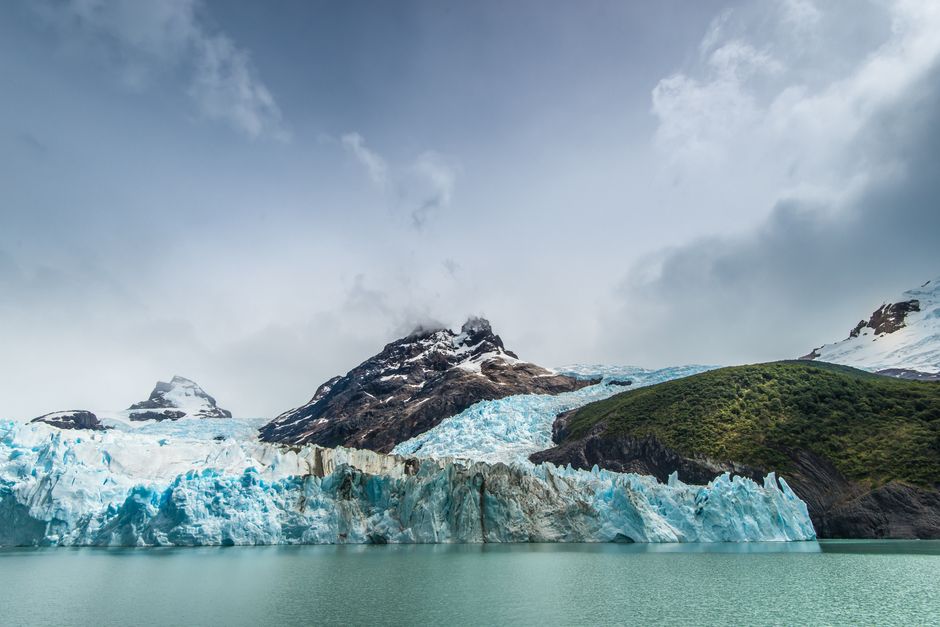
| 4 | Paine Grande → Grey Glacier → return | ~22 km return | ~400 m | Glacier viewpoint is the western terminus. Wind is strongest on this arm. Poles are not optional here. |
| 5 | Paine Grande → catamaran to park exit | Short walk to dock | Minimal | Catamaran (~$30 USD) saves 3+ hours of trail walking. Book in advance through Fantastico Sur. |
Mistakes That Are Easy to Avoid Once You Know About Them
- Booking too late. Peak season dates in Torres del Paine regularly sell out 9–12 months ahead. If you’re planning a December or January trip, check availability the moment your dates are confirmed.
- Underestimating the Grey Glacier section. The western arm is significantly more exposed than the eastern trails. Trekking poles — the Black Diamond Distance Carbon Z (~$170) are a widely used option — function as safety equipment in sustained gusts, not just comfort accessories.
- Packing cotton base layers. Cotton holds moisture and loses insulating value when wet. Merino wool or synthetic base layers — the Icebreaker 150 Merino Anatomica (~$80) is a practical starting point — regulate temperature across the wide daily swings common in Patagonia.
- Buying travel insurance without evacuation coverage. Medical evacuation from Torres del Paine to Punta Arenas or Santiago typically costs $10,000–$30,000 USD without insurance. Many standard travel policies exclude backcountry helicopter rescue. Verify the policy specifically covers this before purchasing.
Refugio vs. Camping: The Decision at a Glance
| Factor | Refugio Route | Camping Route |
|---|---|---|
| Total cost (5 days, W Trek) | ~$500–$750 USD (meals included) | ~$100–$200 USD plus food |
| Pack weight | 6–10 kg | 12–18 kg |
| Booking difficulty | Higher — sells out months ahead | Lower — campsite-only slots book later |
| Daily flexibility | Low — fixed dates and locations | Moderate — can adjust pace within reason |
| Best suited for | First-timers, those prioritising light packs | Experienced backpackers, budget-focused travelers |