
Hiking Guide Yosemite: Yosemite Hiking Guide: Trails, Permits, and First-Timer Mistakes
Yosemite receives 4 million visitors a year. Most of them do the same three trails, wait in the same queues, and leave having seen roughly 2% of the park. This guide covers which trails are worth your energy by distance and difficulty, how the Half Dome permit lottery works in practice, and the planning and gear mistakes that send hikers back to the trailhead before noon.
Six Yosemite Trails Compared: Distance, Gain, and Permit Requirements
Before committing to a trail, know what you are actually signing up for. Elevation gain matters more than distance in Yosemite. A 3-mile trail gaining 1,000ft of vertical will exhaust unprepared hikers faster than a 7-mile flat route. The table below covers the six trails that consistently deliver the best return on effort.
| Trail | Distance (RT) | Elevation Gain | Difficulty | Permit Required | Best For |
|---|---|---|---|---|---|
| Mist Trail to Vernal Fall | 3 miles | 1,000ft | Moderate | Day-use reservation only | First-timers, families |
| Mist Trail to Nevada Fall | 7 miles | 2,000ft | Strenuous | Day-use reservation only | Fit beginners wanting a full day |
| Sentinel Dome | 2.2 miles | 400ft | Easy–Moderate | No | Panoramic views without crowds |
| Four Mile Trail | 9.6 miles | 3,200ft | Strenuous | No | Valley views, quieter route |
| Cathedral Lakes (Tuolumne) | 7.4 miles | 1,000ft | Moderate | Wilderness permit for overnight only | Alpine scenery, fewer crowds |
| Half Dome | 17 miles | 4,800ft | Very Strenuous | Yes — lottery permit required | Experienced hikers, bucket-list |
The Mist Trail to Vernal Fall is the right call for most first-time visitors. Paved for the first mile, then stone steps to the top of a 317ft waterfall. The spray soaks you when flow is high — bring a waterproof layer in May and June. The extension to Nevada Fall continues past Vernal on the same path, adding 3 miles and 1,000ft of gain. Worth the extra effort if you have a full day and reasonable fitness.
Sentinel Dome is the most underrated trail in the Valley. At 2.2 miles with just 400ft of gain, it sits at 8,122ft and delivers 360-degree views that most visitors only associate with Half Dome’s summit — at a fraction of the physical cost. Almost no mainstream guides lead with it. That is a mistake.
Half Dome Permits: How the Lottery Actually Works
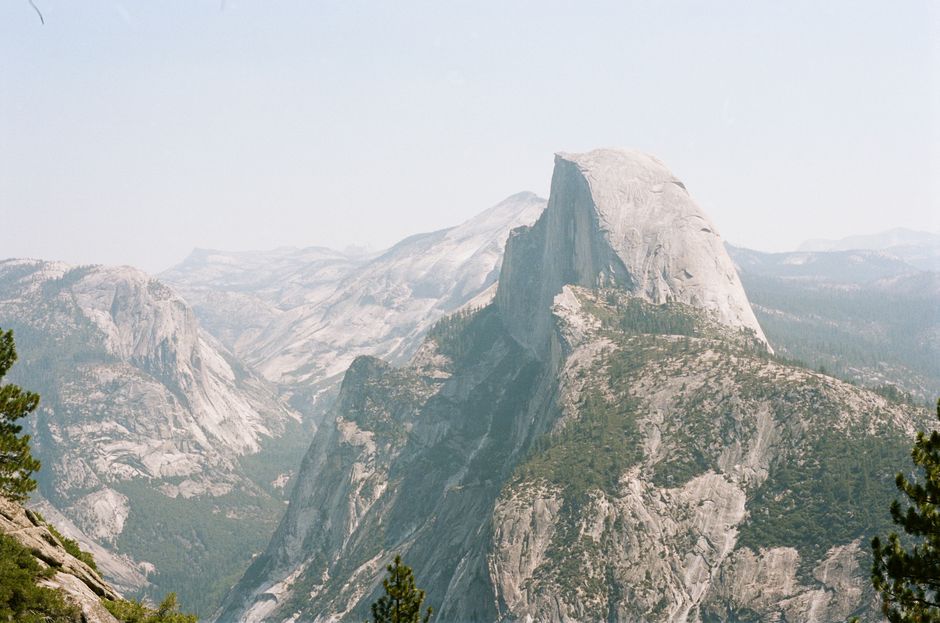
Half Dome is Yosemite’s signature hike — 17 miles round trip, 4,800ft of elevation gain, and a near-vertical 400ft granite face at the summit that you climb using fixed steel cables. The National Park Service caps daily hikers at 300 during cable season, which runs roughly late May through mid-October depending on conditions. That cap is what drives the permit system.
Pre-Season Lottery (March Applications)
Applications open in early March on recreation.gov and cover weekday and weekend dates across the full cable season. Each application costs $10 — non-refundable regardless of outcome. Groups of up to six people can be included on a single permit. Results arrive by late March. This is the most competitive pool, particularly for summer weekends in July and August. You can apply for multiple dates, with one application per date, so applying broadly improves your odds significantly. Most people who strike out applied for two or three weekends in peak summer and nothing else.
Daily Lottery (48 Hours Before)
A second pool of leftover permits runs as a daily lottery exactly two days before the hike date. Applications open at midnight on recreation.gov and results come back by 10am the same day. The $10 application fee is charged whether you win or not; the full $10 permit fee only processes if you are selected. Weekday dates in September have the best odds by a considerable margin. On a Tuesday in late September, winning the daily lottery is genuinely achievable for anyone who applies consistently.
If You Do Not Have a Permit
Rangers check permits at the base of the cables. There is no workaround and no discretion — the fine for attempting to summit without a permit is $5,000. Rangers are stationed specifically to enforce the cap. The better option if you miss the lottery entirely: hike Clouds Rest instead. It is 14 miles round trip, gains 2,500ft, requires no permit, and sits at 9,926ft — higher than Half Dome’s 8,839ft summit. Most hikers who have done both routes say the views of Yosemite Valley from Clouds Rest are wider and more dramatic. It is not a consolation prize.
Gear That Makes a Real Difference on Yosemite Trails
Yosemite day hiking does not require expedition gear. It requires the right gear matched to the specific trail. Here is what changes outcomes and what you can skip.
Footwear by Route Type
- The Salomon X Ultra 4 GTX ($165) is the practical benchmark for Yosemite day hiking. Stiff enough for the Half Dome cables approach and the Four Mile Trail descent, light enough to not wreck your feet by mile 12. The Gore-Tex lining handles the Mist Trail spray without issue.
- Trail runners — the Hoka Speedgoat 5 ($145) being the most common on Yosemite trails — work well for Sentinel Dome, Cathedral Lakes, and Valley Floor routes. They are not suitable for Half Dome cables when wet. The lack of sole stiffness and ankle support becomes a genuine liability on a 45-degree granite face in rain.
- Leather or work gloves are mandatory for Half Dome cables. The steel cables strip bare skin on the descent in minutes. Black Diamond Crag Half-Finger gloves ($35) are the standard hiking option, but any hardware store work glove does the job equally well.
Water and Nutrition
- Carry 3 liters minimum for any hike over 5 miles. The Hydro Flask 32oz Trail Series ($45) is the practical standard — insulated, durable, and worth the weight. Two of them is not excessive on a hot Valley day in July.
- The Sawyer Squeeze Water Filter ($35) is worth adding to your pack on Clouds Rest, Cathedral Lakes, or any route near streams. Giardia is active in Yosemite’s backcountry water sources. Squeeze filters add about 60 seconds per liter — there is no real argument against carrying one.
- Nuun Sport electrolyte tablets ($7 per tube of 10) become relevant above 7,000ft, where dehydration accelerates faster than plain water intake can compensate.
Pack and Communication
- The Osprey Daylite Plus 20L ($75) fits everything a Yosemite day hike requires without encouraging overpacking. Two 32oz bottles, a shell layer, lunch, a basic first aid kit, and gloves for the cables — all in, with room.
- Cell service in Yosemite Valley is unreliable. In the backcountry, it is absent. The Garmin inReach Mini 2 ($350 device, $15 per month subscription) provides two-way satellite messaging from anywhere in the park. Unnecessary for the Mist Trail. Worth serious consideration for Clouds Rest, Cathedral Lakes, or any multi-day route.
When to Hike Yosemite: One Honest Answer
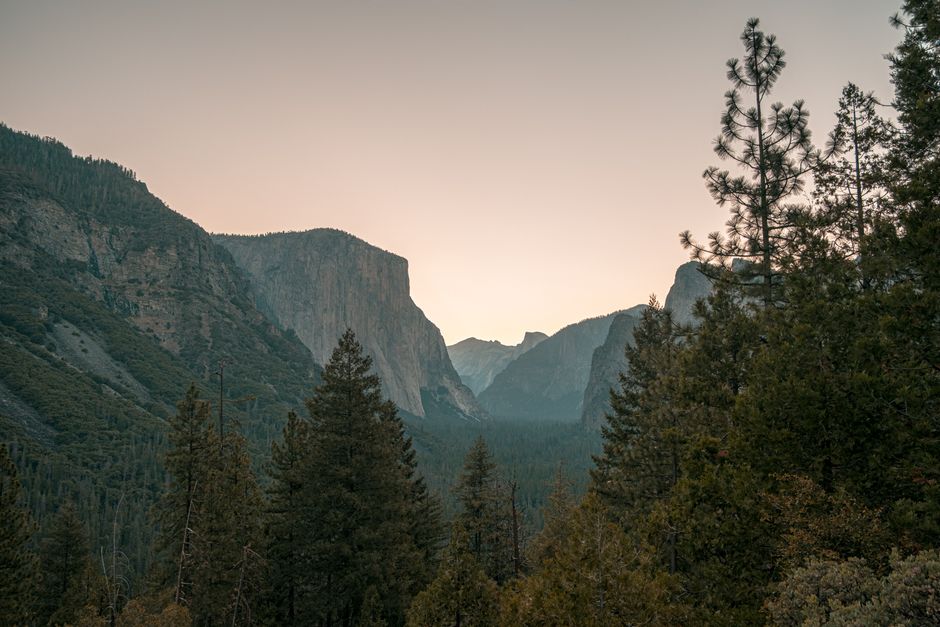
September. Specifically, the second and third weeks of September. Half Dome cables are still installed, Tioga Road and Tuolumne Meadows are fully accessible, Valley temperatures drop into the low 70s°F, and visitor numbers fall sharply after Labor Day. Waterfall flow will not match May or June — that tradeoff is real — but the gain in parking, trailhead space, and general logistics is significant. July delivers the highest waterfall flows and the worst overall experience: 90°F Valley heat, gridlocked roads, trailhead queues forming before 8am, and a park that feels like a theme park rather than a wilderness.
Planning Mistakes That Cut Yosemite Trips Short
Missing the Timed Entry Reservation
From late May through early September, driving into Yosemite between 5am and 4pm requires a timed entry reservation — a $2 booking on recreation.gov, entirely separate from the $35 per-vehicle park entrance fee. These sell out weeks in advance. Arriving without one means being turned away at the gate. A common pattern: visitors book hotels and flights months out, then discover the timed entry requirement two days before departure when the dates are already full.
Starting Half Dome After 7am
Afternoon thunderstorms are common in Yosemite from June through August. Half Dome’s cables sit fully exposed at 8,800ft — steel conducts lightning, and the park service explicitly advises being off the summit by noon. Multiple fatalities in the park’s documented history have involved lightning on those cables. Standard practice among experienced Yosemite hikers is a 5am or 6am trailhead start, reaching the summit by 10am and completing the cables descent before noon. Starting at 8am creates real and measurable exposure to afternoon weather that a 6am start eliminates.
Trying to Drive Between Valley Trailheads in Peak Season
Yosemite Valley has roughly 550 parking spaces. In peak season those fill by 8am. The free Yosemite Valley Shuttle runs between Camp Curry, Yosemite Village, and all major Valley trailheads on a continuous loop. Park once at Curry Village or the main Visitor Center and use the shuttle for the day. Attempting to drive between trailheads in July is an exercise in frustration — and in parts of the Valley, private vehicles are restricted entirely between certain hours.
Ignoring Altitude at Tuolumne Meadows
Yosemite Valley sits at 3,950ft. Tuolumne Meadows is at 8,600ft. Flying in from sea level and driving straight to Tuolumne on day one produces real symptoms — reduced aerobic capacity, headache, sometimes nausea — that will cut a planned 8-mile alpine hike into a 3-mile shuffle. A single day hiking in the Valley first produces a noticeable difference in how your body handles elevation by day two. The adjustment is that fast and that measurable.
The One-Day Hike That Delivers the Most
Do the Mist Trail to Nevada Fall, return via the John Muir Trail loop. This 7-mile circuit covers two major waterfalls — Vernal Fall at 317ft and Nevada Fall at 594ft — climbs through a granite canyon alongside the Merced River, and returns on a wider, less-crowded path with open Valley views. Four to five hours at a comfortable pace. No permit. No lottery. Accessible to anyone with reasonable fitness who starts before 8am.
This loop is the most honest recommendation for a single-day visit. It shows you exactly why Yosemite carries the reputation it does — without requiring months of advance planning, a permit lottery, or a pre-dawn alarm.
If the Happy Isles trailhead is already crowded when you arrive, drive 45 minutes to Tuolumne Meadows and hike to Cathedral Lakes instead. The trailhead starts at 8,600ft, the upper lake sits at 9,585ft, and the high-alpine granite scenery is completely different from the Valley floor. Fewer visitors, comparable distance, equal visual payoff. The Tuolumne Meadows Grill near the trailhead serves breakfast until mid-morning. On a September day with clear skies, that is a very strong alternative to fighting for a Valley parking spot at 7am.