
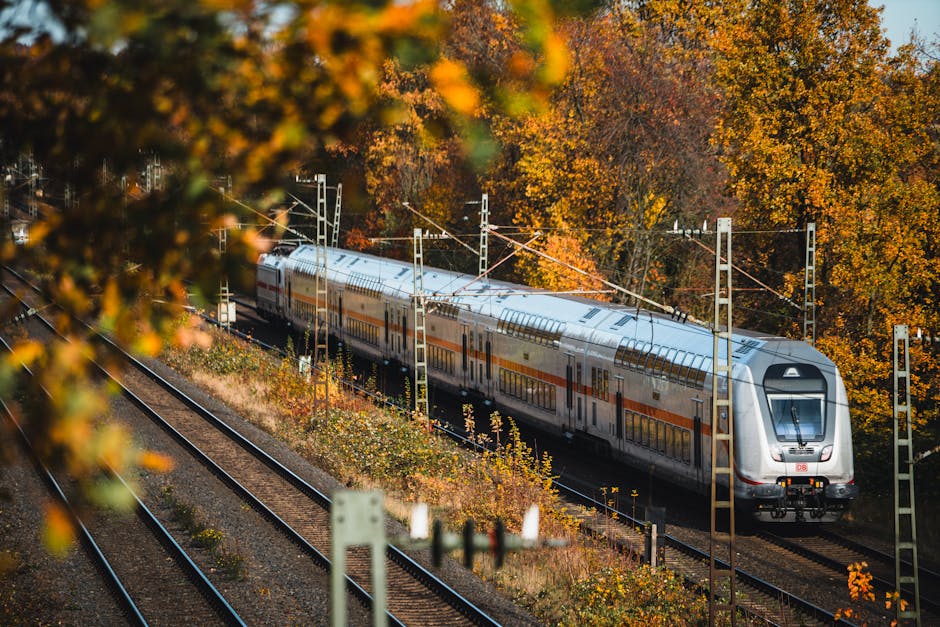
How to Book Train Travel in Europe Without Overpaying
Picture this: you’ve spent £285 on an Interrail Global Pass, you’re standing at St Pancras International, and the Eurostar desk is asking for an additional £35 just to reserve a seat on the train your pass supposedly covers. Nobody mentioned that part. You pay it, you get on, but you spend the whole journey to Paris wondering what else the small print contains.
That gap between “I have a rail pass” and “I understand how European trains actually work” is where most booking mistakes happen. Rail passes are real products with real value — but only for specific trip types. The same applies to every booking platform, every cheap fare tier, and every overnight service. Getting any of them wrong costs real money.
Here’s what you actually need to know before booking a single ticket.
Why European Rail Booking Is Deliberately Fragmented
Europe does not have a single rail booking system. What exists instead is roughly 30 national operators — SNCF in France, Deutsche Bahn in Germany, Trenitalia in Italy, Renfe in Spain, ÖBB in Austria — each running their own pricing structures, booking windows, and pass policies. Some sell via third-party platforms. Some don’t. Some charge extra if you buy through a third party. Some restrict their cheapest fares to their own website entirely.
This isn’t a design flaw. Each national operator was built with state funding, serving domestic markets first. Cross-border cooperation has improved — slowly — but remains uneven. The practical result: the cheapest ticket for Paris to Berlin might be on SNCF’s own site, on Deutsche Bahn’s website, or on Trainline, and the price will differ on each by anywhere from £2 to £25.
How high-speed trains set fares
High-speed trains across Europe — Eurostar, TGV, AVE, ICE — use yield-based pricing, exactly like airlines. The cheapest advance-purchase fares are non-changeable and non-refundable. They sell out early. Mid-tier fares allow changes for a fee. Fully flexible tickets exist but often cost double or more than the advance price.
The specific price brackets vary by operator. Eurostar’s cheapest Standard seats start from £44 one-way, but only a small allocation sells at that price per train. SNCF’s TGV Ouigo fares start from €9 on domestic French routes — yes, nine euros — and sell out reliably for popular departure times. AVE fares for Madrid–Barcelona start around €15–€20 if you book eight weeks out and can reach €90 for the same seat two days before departure.
Regional trains follow completely different rules
German regional trains (RB and RE services) use flat zone pricing. Italian Trenitalia Regionale trains cost the same whether you book months ahead or minutes before. Swiss regional trains are either covered by a Swiss Travel Pass or sold at platform machines at a fixed fare. On these networks, booking ahead saves no money. It only adds admin.
The distinction matters when you’re planning a mixed itinerary. A route combining a high-speed leg (Paris to Lyon on TGV) with regional travel (Lyon onward into rural Burgundy) has two completely different booking logics. Treat them separately and you’ll avoid wasting time trying to score advance deals on fares that simply don’t work that way.
Rail Pass vs. Point-to-Point Tickets: A Direct Comparison

The Interrail Global Pass (for European residents) and the Eurail Global Pass (for non-Europeans) are marketed heavily as the flexible, all-access option. They can be exactly that. They can also be a way to overpay by £100 or more on a short, structured trip. The difference comes down to trip volume, date flexibility, and how far ahead you’re booking.
| Trip Profile | Best Option | Estimated Cost | Why |
|---|---|---|---|
| 3-city trip, 14 days, fixed dates | Point-to-point advance tickets | £80–£180 total | Advance fares undercut pass price plus mandatory reservation fees |
| Flexible 1-month trip, 8+ countries | Interrail/Eurail Global Pass | £285–£510 (pass only) | Pass value compounds with volume; protects against last-minute price surges |
| Single overnight sleeper journey | ÖBB Nightjet direct booking | £39–£99 per person | ÖBB sells Nightjet advance seats cheaply without needing a pass |
| Weekend city break, 2 cities | Point-to-point advance tickets | £40–£120 total | A 3-day pass costs more than two advance tickets plus reservation fees |
| No fixed itinerary, spontaneous routing | Rail pass | £285+ depending on days/tier | Avoids last-minute price spikes; allows route changes without rebooking |
The hidden cost rail pass sellers don’t lead with
On most high-speed international trains — Eurostar, TGV, AVE, and many ICE services — a pass does not include a seat. You pay a compulsory reservation fee on top of the pass price for every high-speed journey. Eurostar reservations for pass holders cost around £35 per direction. TGV domestic reservations cost £6–£10 per leg. The former Thalys service (now operating under the Eurostar brand) charges €13–€25 per leg for pass holders.
On a two-week trip with four or five high-speed legs, that’s an extra £60–£120 in reservation fees on top of the pass cost. Factor that into the comparison before buying.
When point-to-point tickets win outright
If your dates are fixed and you’re booking 6–10 weeks ahead, individual advance tickets beat the pass on almost every popular route. Paris to Barcelona on TGV Ouigo costs around €25–€45 booked early. London to Paris on Eurostar costs £44–£75 for early Standard seats. Those prices combined, for two major legs, don’t approach the cost of a Global Pass plus reservation fees for just those two journeys. Run the numbers. The pass rarely wins on three-destination trips with firm dates.
Five Booking Platforms That Cover Europe — What Each Does Best
No platform covers every operator at the cheapest available fare. Here is a clear breakdown of where each one earns its place and where each falls short.
- Trainline — The broadest single-platform coverage for Western Europe. Books SNCF, Deutsche Bahn, Trenitalia, Renfe, and more from one account. Charges a booking fee of around £1–£2.50 per ticket. Doesn’t cover all Eastern European operators reliably. Best for mixed Western European itineraries where you want one account and one confirmation email per journey.
- Rail Europe — Sells point-to-point tickets and rail passes including Interrail and Eurail. Good for purchasing a pass alongside initial ticket bookings in a single transaction. Also covers some routes that Trainline handles less well, particularly in Scandinavia and Central Europe.
- Omio — Compares trains, buses, and flights in a single search. Most useful early in planning when you’re not sure whether the train or coach is faster or cheaper on a specific route. Doesn’t always surface the absolute lowest operator fares, but gives a useful overview before you go direct.
- Direct national operator websites — SNCF (sncf-connect.com), Deutsche Bahn (bahn.de), Trenitalia (trenitalia.com), ÖBB (oebb.at for Nightjet bookings), Renfe (renfe.com). These list the lowest base fares with no booking fee. The trade-off: separate accounts per operator, interfaces partially in foreign languages, and occasional friction with non-European payment cards.
- Eurostar direct (eurostar.com) — For London–Paris, London–Brussels, and London–Amsterdam, booking directly at eurostar.com gives full access to the cheapest Standard fare allocation. Some aggregators don’t reliably surface the bottom-tier Eurostar fare, especially on popular dates.
The most efficient approach: search Trainline or Omio first to understand routes and ballpark prices. Then check the direct operator site before completing the purchase. If the price difference is under £5, book on Trainline for convenience. If it’s £10 or more — which it often is on longer routes — use the direct site and keep the booking fee in your pocket.
Which Routes Need Advance Booking and Which Don’t

Knowing which routes use yield pricing — and which use flat fares — shapes your entire planning approach. Getting this wrong in either direction costs you either money or unnecessary stress.
Book these 6–10 weeks out without exception
Eurostar (London–Paris, Brussels, Amsterdam): The cheapest Standard fares disappear quickly, especially during UK school holidays and spring/summer weekends. A ticket that costs £44 in January costs £149 in April on the same route and time. Book the moment your dates are confirmed — there is no benefit to waiting.
TGV Ouigo (Paris to Lyon, Marseille, Bordeaux, Toulouse, Barcelona): Ouigo is SNCF’s low-cost TGV brand. Fares from €9 sell out consistently on popular departure times. These are strictly non-changeable and non-refundable. Only book Ouigo when your plans are completely fixed.
AVE (Madrid–Barcelona, Madrid–Seville, Madrid–Valencia): Spain’s high-speed network uses aggressive yield pricing across the board. Madrid to Barcelona at €15 eight weeks out becomes €85 two days before travel. There are no off-peak exceptions that hold on popular dates.
Routes where flexibility beats advance booking
Most regional trains in Italy, German RB and RE regional services, Austrian regional trains, and Swiss regional trains all use flat fares. Seat availability is rarely a problem. Buying at the station machine on the day is often the simplest approach — no booking fee, no admin, no refund anxiety if plans shift.
Overnight sleeper trains need a middle-ground strategy
ÖBB Nightjet services — Vienna to Paris, Hamburg to Zurich, Berlin to Rome and several others — use advance pricing for private cabins and the newer Nightjet mini-cabin pods (private enclosed sleeping compartments that start from €39 per person booked early). Standard couchette berths stay available at set prices longer but do sell out on popular summer routes. For July and August travel, booking four to six weeks out is a sensible minimum. Autumn and winter routes have significantly more availability and rarely need that lead time.
The Seat Reservation Fee in Plain Terms
A rail pass does not include a seat on most European high-speed trains. You pay a compulsory reservation fee — ranging from £6 on a French domestic TGV leg to £35 on Eurostar — on top of your pass for every high-speed journey. This applies even on trains where your pass technically grants access to travel. Budget an extra £50–£100 for reservations if your pass-based trip includes two or more international or high-speed legs.
This is documented on the Interrail and Eurail websites. Most people buying their first pass don’t read that far before purchasing.
Three Booking Mistakes That Add Up Across a Trip
Buying a rail pass for a short, fixed-date trip
A three-day Interrail pass costs around £155 for adults. Three advance point-to-point tickets on a Paris–Lyon–Florence–Venice itinerary booked six weeks out might cost £80–£110 total. The pass loses by £45 or more before you add mandatory reservation fees. Always price both options side by side before committing — it takes ten minutes and frequently saves £50 or more.
Trusting aggregators to surface every cheap fare
Trainline and Rail Europe are convenient. They are not always cheapest. TGV Ouigo’s €9 fares and Deutsche Bahn’s Super Sparpreis tickets at €17.90 aren’t always visible at their base price on aggregator platforms. A five-minute check on the direct national operator site regularly finds fares the aggregator missed by £10–£25. On a trip with four or five legs, that adds up to a meaningful difference.
Skipping the cancellation policy on cheap tickets
Ouigo fares: non-refundable, non-changeable without exception. Eurostar Standard: non-refundable at the cheapest tier. Deutsche Bahn Super Sparpreis: tied to a specific train, changes incur an additional fee. Trenitalia Base fare: €10 change fee per booking. If your plans carry any real uncertainty, the step up to a semi-flexible fare is often worth paying — particularly on routes where trains run every two hours rather than every 20 minutes. A missed non-refundable departure on a sparse timetable means rebooking at full last-minute price.
- Interrail/Eurail Global Pass: Best for flexible multi-country trips, spontaneous routing, or last-minute travel. Add £50–£100 for high-speed reservation fees on top.
- Point-to-point advance tickets: Best for fixed itineraries booked 6–10 weeks out. Consistently cheaper than a pass on structured 2–5 destination trips.
- TGV Ouigo: Cheapest fares available on domestic French routes and Paris–Barcelona. Fully non-flexible — only book when dates are certain.
- ÖBB Nightjet: Best overnight option for Central and Western Europe. Private mini-cabin from €39 per person if booked well in advance.
- Trainline vs. direct operator site: Trainline for convenience on straightforward bookings; direct operator site for the lowest price on any booking over £50.