

Inner Mongolia Travel: Don’t Waste Your Trip. Get the Timing Right.
Everyone thinks summer is the only time to visit Inner Mongolia. You hear “grasslands” and immediately picture July or August. Wrong. That’s a common misconception, and it’s going to cost you, both in experience and cash. Inner Mongolia is huge. The “best” time depends entirely on what you want. Period. Don’t fall for the generic advice. You need specifics.
The Summer Trap: Why July and August Aren’t Always Your Best Bet
Listen, if your idea of a perfect trip involves battling swarms of tourists, paying inflated prices, and potentially getting stuck in a traffic jam on a dirt road, then by all means, book for July and August. These are peak season months. The grasslands are green, sure, but so are the tour buses. Authenticity takes a backseat when every scenic spot is packed.
Popular areas like the Hulunbuir Grasslands become amusement parks, not serene natural escapes. Expect long waits, overbooked hotels, and a general sense of being herded. The weather can also be surprisingly hot and humid in some regions, far from the cool, breezy image most people have.
Summer Heat and Crowds: Expect Swarms.
Seriously, July and August see a massive influx of domestic tourists. Temperatures in places like Hohhot or Baotou can easily hit 30°C (86°F) or higher, often with humidity. Out on the grasslands, it might be cooler, but the sheer volume of people at attractions like the Genghis Khan Mausoleum or any well-known viewpoint is overwhelming. Forget quiet contemplation; prepare for photo ops with a hundred other people in your frame.
Peak Season Pricing: Your Wallet Will Suffer.
Supply and demand, it’s basic economics. When everyone wants to go, prices skyrocket. Flights, accommodation, local tours – expect to pay a premium of 30-50% compared to shoulder seasons. Budget travelers, or anyone who hates getting ripped off, should absolutely avoid these months. You’re paying more for less.
Grassland Over-Tourism: Authenticity Lost.
The charm of the Mongolian nomadic culture diminishes when every yurt camp is a commercialized tourist trap. Many authentic experiences become staged performances. If you seek genuine interaction with local herders or truly undisturbed natural beauty, the peak summer rush actively works against you. It’s a tourist spectacle, not an immersive journey.
May and June: The Sweet Spot You’re Ignoring
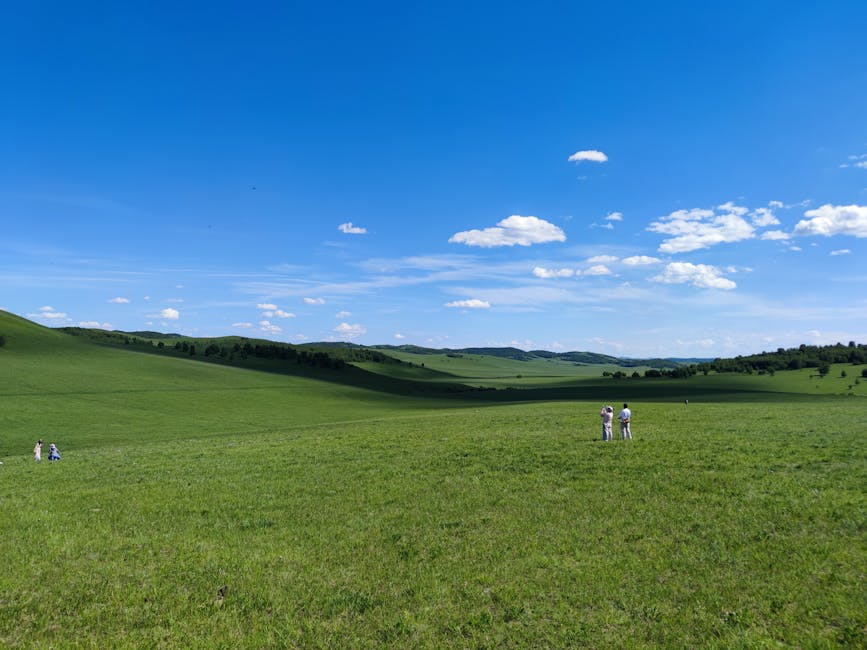
This is where you should be looking. May and early June offer the best balance. The grasslands are vibrant green, fresh from the spring rains, but the oppressive heat and crowds of late summer haven’t arrived yet. You get pleasant temperatures, fewer people, and significantly better value. This period is the true sweet spot for seeing Inner Mongolia’s famous landscapes in their prime without the hassle.
Imagine riding a horse across an endless green expanse, the air crisp and clean, with only the sound of the wind and distant livestock. This is what May and June deliver. You’ll find it easier to book quality accommodation, tour guides are less stressed, and the overall pace is more relaxed. Consider areas like Xilingol Grasslands for a more authentic experience, or the scenic routes around Ordos for diverse landscapes.
Lush Greenery and Mild Temperatures: Perfect Conditions.
By mid-May, the grasslands are fully rejuvenated. The vibrant green is intense, and the air is generally mild, typically ranging from 15-25°C (59-77°F). These temperatures are ideal for outdoor activities: hiking, horseback riding, or simply enjoying the vast open spaces. The risk of dust storms, which can plague earlier spring, is also significantly reduced.
Pre-Peak Tranquility: Enjoy the Calm.
Before the school holidays kick in, the major tourist sites are far less crowded. This means shorter lines, more availability for unique experiences, and a general sense of peace. You can often find quiet spots even in popular areas, allowing for better photography and a deeper connection with the environment. It’s the difference between seeing a landscape and truly experiencing it.
Blooming Wildflowers: A Visual Feast.
Beyond the endless green, May and June are prime months for wildflowers. Patches of vibrant color dot the grasslands, adding another layer of beauty to the already stunning scenery. This ephemeral display is something you often miss if you wait until late summer, when many of the early blooms have faded. It’s a photographer’s dream and a treat for the eyes.
Autumn’s Golden Hues: October is Not What You Think
Everyone romanticizes autumn colors. In Inner Mongolia, that window is tight. If you’re thinking October, you’re mostly wrong. The true “golden season” for fall foliage, particularly for the unique Poplar forests in the west (like Ejina Banner), is incredibly short and peaks around late September to early October. Miss it by a week, and you’re looking at bare trees and biting cold. For the grasslands, autumn means brown, not golden, very quickly.
Is Inner Mongolia’s Fall Foliage Worth It?
Yes, but you must time it perfectly. The famous Ejina Poplar Forest is stunning, a sea of golden leaves. However, this is a distinct region in the far west of Inner Mongolia, not representative of the grasslands. For the grasslands themselves, the green fades to a golden-brown much faster than you might expect, often by late September, before turning entirely brown and bleak.
When Does the Golden Season Peak?
For the Poplar forests, the peak is typically the last week of September and the first week of October. This is a very narrow window, and it can shift based on yearly weather patterns. For example, in 2023, the colors peaked slightly earlier due to colder temperatures. For the vast majority of Inner Mongolia, especially the eastern grasslands, any "golden hue" is short-lived, quickly giving way to winter’s monochrome.
What About the Cold and Wind?
By mid-October, temperatures drop significantly. Expect chilly days and freezing nights, especially on the open grasslands. The wind picks up, making it feel even colder. If you’re chasing fall colors, be prepared for brisk weather and potential early snowfalls, particularly in the northern reaches. This isn’t a cozy autumn stroll; it’s a brisk expedition.
Winter’s Stark Beauty: A Niche, But Rewarding Experience

Don’t dismiss winter outright. It’s not for everyone, but for the intrepid traveler, it offers a raw, unforgettable experience. This is when you see a completely different side of Inner Mongolia – vast, silent, and covered in snow. It’s brutally cold, sure, but also incredibly beautiful. Think ice festivals, frozen rivers, and a deeper insight into the tough nomadic lifestyle.
- Ice and Snow Festivals: Places like Manzhouli, near the Russian border, host impressive ice and snow sculptures, similar to Harbin but with a unique Inner Mongolian-Russian flavor. These typically run from late December through February. It’s a vibrant spectacle in an otherwise stark landscape.
- Nomadic Lifestyle Insight: Winter is when you truly appreciate the resilience of the local herders. You can often witness traditional practices like ice fishing or see livestock braving the elements. This is far from the commercialized summer experience. It’s raw and genuine, offering a window into a truly different way of life.
- Photography: The snow-covered landscapes provide incredible photographic opportunities. The vastness, the stark contrasts, the pristine white – it’s a dream for landscape photographers. Sunrise and sunset over a frozen world are truly breathtaking.
- Extreme Cold Preparedness: This isn’t a casual trip. Temperatures frequently drop below -20°C (-4°F), often much lower in places like Genhe, known as China’s coldest town. You need serious winter gear: thermal layers, down jackets, insulated boots, hats, and gloves. Don’t skimp. Your comfort and safety depend on it.
- Fewer Tourists: Unsurprisingly, winter sees significantly fewer tourists. If solitude and unique cultural immersion are your goals, winter delivers. You’ll have more space and a more personal experience.
Experiencing the Ice and Snow Festivals.
Manzhouli’s International Ice and Snow Festival is a highlight. Elaborate sculptures, ice slides, and a festive atmosphere light up the frigid nights. It’s less crowded than Harbin’s famous festival, offering a more intimate experience. Check specific dates each year, but generally, it runs from late December to late February.
Observing Nomadic Life in Extreme Conditions.
Winter provides a rare opportunity to see herders manage their flocks in challenging conditions. Some tour operators offer winter yurt stays where you can learn about traditional winter survival skills, taste hearty winter cuisine, and understand the deep connection between the people and their harsh environment. It’s an education in resilience.
Cold Weather Preparedness: Don’t Skimp.
This is non-negotiable. Layers are key. Start with merino wool thermals, add fleece mid-layers, and finish with a waterproof, windproof, heavy-duty down jacket. Insulated snow pants, a proper hat that covers your ears, warm gloves, and waterproof winter boots are essential. Hand warmers and toe warmers are highly recommended. Frostbite is a real risk if you’re unprepared.
Avoid These Months Unless You Like Dust and Desolation
Look, if you want a miserable trip, plan for April or November. These months are the absolute worst. They combine the downsides of multiple seasons with none of the benefits. You’re not getting lush green, you’re not getting golden hues, and you’re not getting pristine snow. What you get is either dust, mud, or just bone-chilling cold without the charm.
Early spring (March-April) is notorious for dust storms, particularly in the western and central regions. The grasslands are thawing, creating muddy patches, and the strong winds pick up dry soil, making outdoor activities unpleasant and visibility poor. Late autumn (November) is simply bleak. The green is gone, the snow hasn’t fully arrived, and the cold is relentless. It’s a transitional period of desolation. Just don’t.
April’s Dust Bowl: Skip It.
The saying goes: "March winds and April showers." In Inner Mongolia, it’s often "March winds and April dust." Strong winds sweep across the dry, awakening land, carrying vast amounts of dust. This means poor air quality, gritty eyes, and generally unpleasant conditions for outdoor exploration. The grasslands haven’t fully greened up yet, so it’s a landscape of browns and yellows, often obscured by haze.
November’s Bleakness: No Charm, Just Cold.
November is the forgotten month for a reason. The short burst of autumn colors is long gone, and the heavy snows and ice festivals of deep winter haven’t started. What remains is a landscape transitioning from barren brown to frozen white, often with grey skies and biting winds. It’s cold, damp, and lacks the visual appeal or specific activities of other seasons. Most tourist services are minimal.
Transition Zones: Unpredictable and Unpleasant.
These shoulder months are highly unpredictable. One day might offer a glimpse of milder weather, the next could bring a sudden drop in temperature, heavy winds, or even an unexpected snow squall in April. Planning for these conditions is difficult, and you risk encountering the worst of all worlds. Stick to the more established seasonal windows for a better experience.
Event Calendar: Time Your Trip for Specific Experiences
Sometimes, it’s not just about the weather; it’s about what’s happening. Inner Mongolia has a rich cultural calendar, and timing your visit around a key festival can dramatically enhance your experience. Don’t just show up; plan for it. These events are often loud, vibrant, and packed with local flavor. They’re a direct link to the region’s heritage.
| Event | Typical Timing | What to Expect | Best For |
|---|---|---|---|
| Naadam Festival | July (Mid-month) | "Three Manly Games": wrestling, horse racing, archery. Cultural performances, feasting. Intense crowds, lively atmosphere. | Culture, excitement, traditional sports. |
| Ice and Snow Festivals | Late Dec – Feb | Elaborate ice sculptures, snow lanterns, winter activities. Extreme cold, fewer crowds than summer. Manzhouli is a highlight. | Unique winter landscapes, photography, cold-weather enthusiasts. |
| Grassland Tourist Festivals | June – August | Various local festivals (e.g., Aobao Festival). Often smaller, more localized versions of Naadam, sometimes tourist-oriented. | Local charm, cultural insight (if you find an authentic one). |
| Poplar Forest Golden Festival (Ejina) | Late Sep – Early Oct | Stunning golden Poplar trees. Massive photography crowds. Limited window for peak color. | Photography, unique desert-forest scenery. |
Naadam Festival: The Big One.
This is the most famous Mongolian festival, featuring wrestling, horse racing, and archery. While the largest is in Mongolia, Inner Mongolia hosts several significant Naadam events, particularly in Xilingol and Hohhot, usually in mid-July. It’s a huge cultural spectacle, but expect massive crowds, high prices, and intense competition for accommodation. Book everything well in advance if you plan to attend.
Winter Ice Festivals: Manzhouli and More.
Beyond the grasslands, Inner Mongolia offers impressive winter celebrations. The Manzhouli International Ice and Snow Festival transforms the city into a sparkling wonderland. While bitterly cold, the intricate ice sculptures and festive atmosphere are unique. Smaller ice festivals also occur in other cities, providing a less commercialized experience.
Local Harvest Celebrations: Smaller, Authentic.
Throughout the year, especially in autumn, various smaller local festivals and harvest celebrations take place in rural areas. These are harder to find and typically not advertised to international tourists. If you have a local guide or can speak Mandarin, seeking these out can offer incredibly authentic, intimate cultural experiences away from the main tourist circuits.
Your Travel Goals Dictate the Season. Period.
There is no single "best time" to visit Inner Mongolia. Anyone telling you otherwise is selling you something or hasn’t fully grasped the region’s diversity. Your ideal window depends on what you actually want to experience. Do you crave lush green grasslands, cultural immersion, solitude, extreme adventure, or budget-friendly travel? Be honest with yourself, then pick your season accordingly. This isn’t a one-size-fits-all destination.
If vibrant green grasslands are your absolute priority, and you’re willing to navigate some early-season unpredictability, then May to early June is your best bet. If you want specific cultural festivals like Naadam, you’re locked into July, with all the associated crowds and costs. If you’re chasing the golden Poplar forests, you have a tiny window in late September/early October. And if you’re a hardy adventurer seeking stark beauty and deep cultural insight with few other tourists, winter is surprisingly rewarding.
Grassland Greenery vs. Golden Sands: Pick Your View.
Understand the difference. If your vision is endless green, think May-June. If it’s the specific, dramatic golden Poplar forests, you’re looking at late September to early October and a trip to Ejina. Don’t expect green grasslands in autumn or golden trees in summer. They are distinct visual experiences that demand distinct timing.
Crowds vs. Solitude: Know Your Preference.
This is critical. Peak summer (July-August) means crowds, plain and simple. If you value tranquility, quiet moments, and a more personal connection with the landscape and culture, avoid these months. Shoulder seasons (May-early June, late September) or winter offer significantly more solitude. Your tolerance for other tourists should heavily influence your decision.
Budget vs. Experience: Where Do You Compromise?
Peak season equals peak prices. If you’re on a tight budget, avoid July and August. The value-for-money during May-June or even winter is far superior. Sometimes, saving money means compromising on weather, but for Inner Mongolia, the shoulder seasons often give you both better weather and better prices. It’s a win-win for the smart traveler.
So, don’t fall for the summer-only myth. Figure out what you want from your trip to Inner Mongolia, then pick your season. It’s that simple. Get the timing right, and you’ll have an unforgettable experience. Get it wrong, and you’ll regret it.