
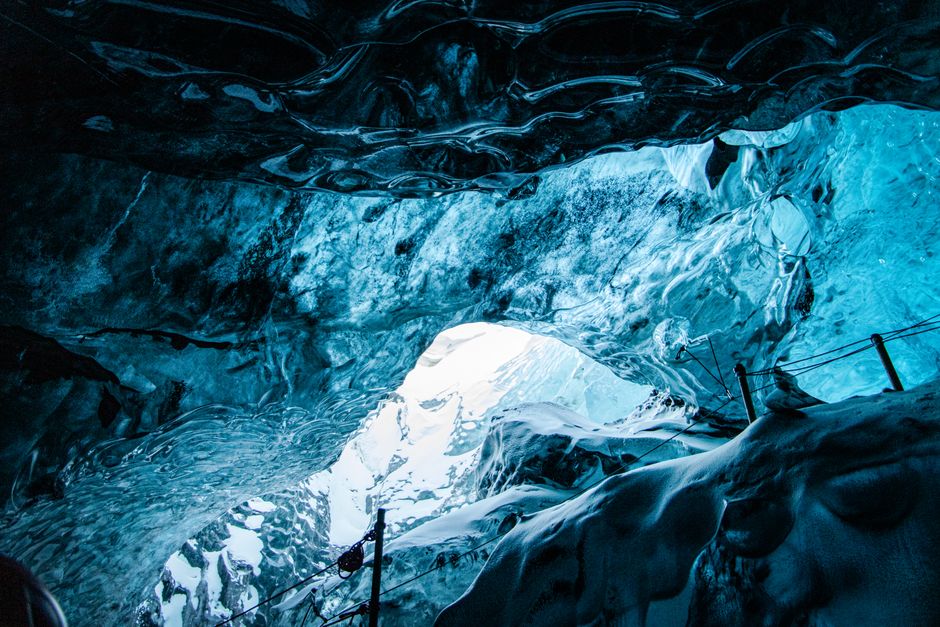
Iceland Ring Road Itinerary: A Realistic 7-Day Summer Route
Follow the Ring Road clockwise, keep the route focused, and accept that two days will involve long drives. This seven-day Iceland itinerary covers the Golden Circle, South Coast, Jökulsárlón, Eastfjords, Lake Mývatn, Akureyri, and western Iceland without adding the Westfjords or Snæfellsnes Peninsula. It assumes a morning start near Reykjavík or Keflavík and a final night in Reykjavík before flying home.
Why a seven-day loop needs a strict route
My verdict: seven days is enough for a first Ring Road trip, but not enough for every famous detour. The route works because it uses one main road, changes hotels every night, and saves the most flexible sightseeing for short final days. It does not work if you add the Blue Lagoon, Snæfellsnes, the Westfjords, Landmannalaugar, and every waterfall along the way.
The route logic
Iceland’s Route 1 forms a natural loop around the island. Starting in the southwest, drive east along the South Coast, continue through the Eastfjords, turn north at Egilsstaðir, and return west through Akureyri and Borgarnes. This direction places the biggest glacier and lagoon views in the middle of the trip, when you still have enough energy for them.
The plan below covers roughly 1,590 kilometres, depending on hotel locations and short detours. The driving times exclude photo stops, meals, fuel, traffic, and walks. In summer, daylight lasts late into the evening, but long daylight does not remove fatigue.
The daily driving limit
Use four to five hours of driving as the practical ceiling on sightseeing days. Days 3, 4, 5, and 6 are the hard days, so families with toddlers or anyone who dislikes moving hotels should add two nights and split the loop. A seven-day trip is best for travellers who want broad coverage rather than long hikes at each stop.
Do not plan the route around the legal maximum. Iceland’s top speed on paved roads outside towns is 90 km/h, and many bends, bridges, gravel sections, and narrow roads require much less. The better choice is this route with fewer stops, not this route driven faster.
The route at a glance: seven nights, one loop
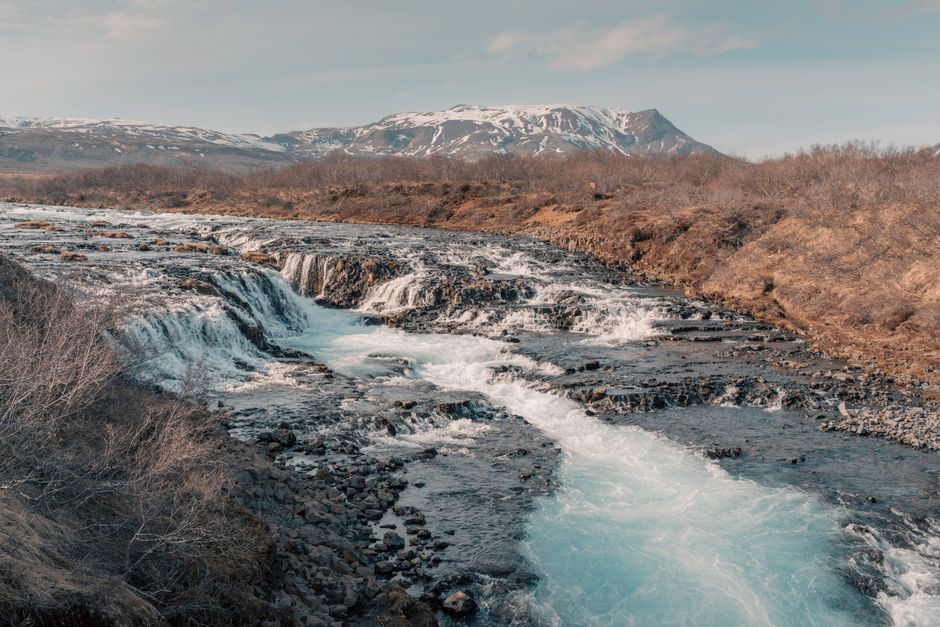
Use this order for the cleanest seven-day circuit. Book the overnight towns before the summer season fills up, then keep each day flexible enough to drop one stop if wind or rain slows the drive.
| Day | Route | Approx. distance | Driving time | Best stops | Sleep |
|---|---|---|---|---|---|
| 1 | Reykjavík to Hella | 215 km | 3–4 hours | Þingvellir, Geysir, Gullfoss | Hella or Hvolsvöllur |
| 2 | Hella to Vík | 180 km | 3–4 hours | Seljalandsfoss, Skógafoss, Dyrhólaey, Reynisfjara | Vík |
| 3 | Vík to Höfn | 280 km | 4–5 hours | Fjaðrárgljúfur, Skaftafell, Jökulsárlón | Höfn |
| 4 | Höfn to Egilsstaðir | 260 km | 4–5 hours | Djúpivogur, Eastfjords, Seyðisfjörður | Egilsstaðir |
| 5 | Egilsstaðir to Akureyri | 270 km | 4–5 hours | Lake Mývatn, Hverir, Goðafoss | Akureyri |
| 6 | Akureyri to Borgarnes | 310 km | 4.5–5.5 hours | Skagafjörður, Blönduós, Borgarvirki | Borgarnes |
| 7 | Borgarnes to Reykjavík | 75 km | 1–1.5 hours | Borg á Mýrum, Reykjavík | Reykjavík |
These are planning figures, not promises. A single road closure, strong crosswind, or slow queue at a popular waterfall can change the day. Keep at least 60–90 minutes of unused time on Days 3 through 6. If your flight leaves on Day 7, sleep near Keflavík instead of driving from Borgarnes that morning.
Days 1–3: waterfalls, black sand, and glaciers
The southern section delivers the highest concentration of major sights, so start early and resist the temptation to stop at every pull-off. The strongest version of this route gives each day a clear finish line.
Days 1 and 2: Golden Circle to Vík
- Day 1: Begin at Þingvellir National Park, then continue to the Geysir geothermal area and Gullfoss. Walk the main viewpoints, allow extra time for families, and finish in Hella or Hvolsvöllur. This keeps the next morning manageable.
- Day 2: Visit Seljalandsfoss early, then Skógafoss. Continue to Dyrhólaey for the coastal view and stop at Reynisfjara only when the surf looks calm and you stay well back from the water. Sleep in Vík rather than pushing onward.
Reynisfjara is a poor place for relaxed family wandering. Sneaker waves can reach much farther up the beach than expected. Keep children close, ignore the photo pressure, and leave if the shore feels unpredictable.
Day 3: the glacier-lagoon day
Drive east from Vík to Fjaðrárgljúfur, then continue toward Skaftafell and Jökulsárlón. Choose one proper walk at Skaftafell instead of collecting several rushed viewpoints. At Jökulsárlón, cross to Diamond Beach and allow time to watch the ice move through the channel. Finish in Höfn, where a late dinner is easier than trying to continue into the Eastfjords.
Best choice: keep Day 3 focused on the glacier landscape. Do not add a long glacier hike unless you remove at least two other stops and book a qualified guide.
Days 4–7: Eastfjords, Mývatn, and the return west
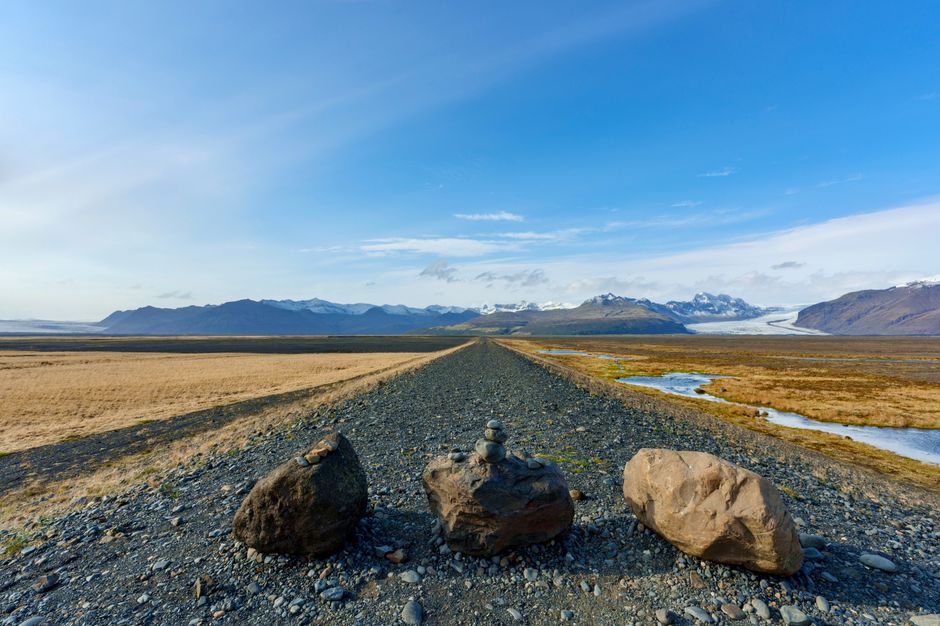
Can families handle the Eastfjords?
Yes, if you treat the drive as part of the sightseeing. The road curves around fjords, small villages appear slowly, and the views change every few kilometres. Stop in Djúpivogur for a break, then choose either the coastal route toward Breiðdalsvík or a short visit to Seyðisfjörður before sleeping in Egilsstaðir. Do not schedule a major hike on this day.
What should happen around Lake Mývatn?
On Day 5, leave Egilsstaðir early. Lake Mývatn, the Hverir geothermal area, and Goðafoss create a strong northbound day without a long detour. Hverir has thin crusts, hot ground, and strong fumes, so keep children on marked paths. Goðafoss is a better late-day stop because the viewpoints are close to the main road.
Dettifoss is the main optional stop. Add it only after checking the road surface and your remaining daylight. The detour can turn an already long day into a tiring one, so Goðafoss is the better choice for this seven-day version.
Why make Day 6 long?
Akureyri to Borgarnes is the least dramatic driving day, but it prevents the final morning from becoming stressful. Break the journey in Skagafjörður or Blönduós, refuel before leaving the north, and use Borgarnes as the final overnight base. Day 7 then becomes a short drive to Reykjavík, with time for a harbour walk, Hallgrímskirkja, or a relaxed meal before departure.
Final route verdict: keep Snæfellsnes for a future trip. It deserves at least two nights and weakens this Ring Road schedule when added as a rushed side trip.
The car, apps, and rules that keep the trip moving
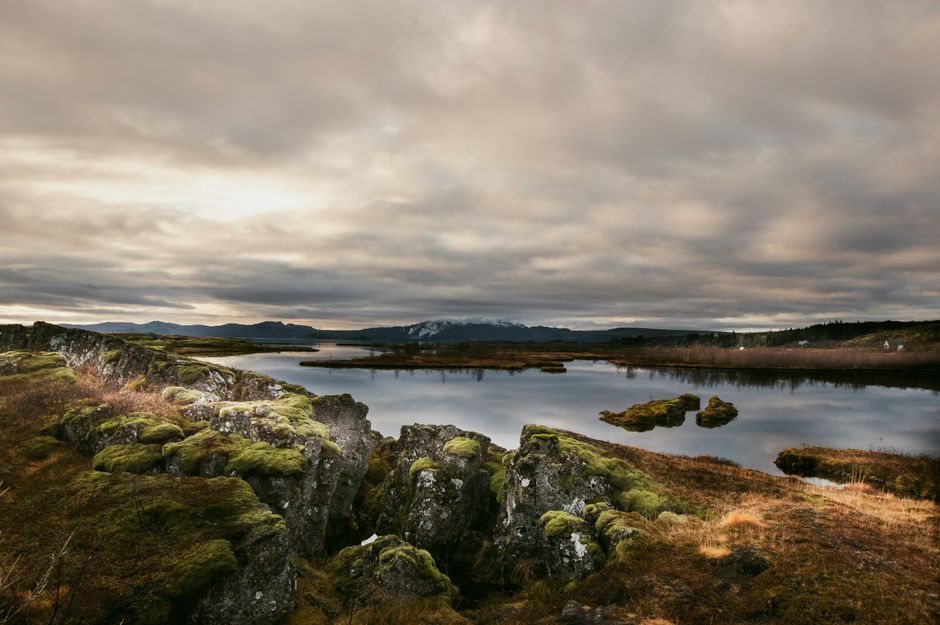
Book a Toyota Yaris-class 2WD compact for this itinerary. The planned route stays on the Ring Road and normal access roads, so a large 4×4 adds cost and fuel use without solving the real problems: weather, fatigue, and poor timing.
What to book and download
- Toyota Yaris or similar: the right size for a couple or small family travelling on paved roads. Check luggage space before choosing the smallest class.
- Dacia Duster or similar: useful only if your confirmed plan includes rough approved roads and the rental agreement allows them. Four-wheel drive does not make every F-road legal or safe.
- Toyota Land Cruiser: unnecessary for this Ring Road plan. Choose it only for a specific highland trip with the correct vehicle cover and experience.
- Google Maps: free. Download Iceland for offline navigation, but compare its route with live road information before leaving.
- SafeTravel app: free. Use it for safety alerts, travel advice, and location sharing when hiking.
- Parka.is: free to download; parking charges vary by site. Set it up before arriving at busy attractions.
The mistakes that cause most trouble
Check road.is and the SafeTravel alerts each morning. Weather and road conditions can change quickly. Keep headlights on, slow down for gravel, yield carefully at one-lane bridges, and never stop in the road for a photograph. Park with the car door facing away from strong wind and hold the door firmly when opening it.
Never drive off marked roads. F-roads may have rough surfaces, unbridged rivers, and insurance exclusions for water damage. Check the Icelandic Met Office forecast before each long leg, then drop the least important stop if conditions worsen.
For summer 2026, the clear recommendation is a compact 2WD rental, seven pre-booked overnight bases, and this clockwise route with no Snæfellsnes or highland detours. It gives you Iceland’s strongest first-trip landscapes while leaving enough room to drive safely and enjoy them.